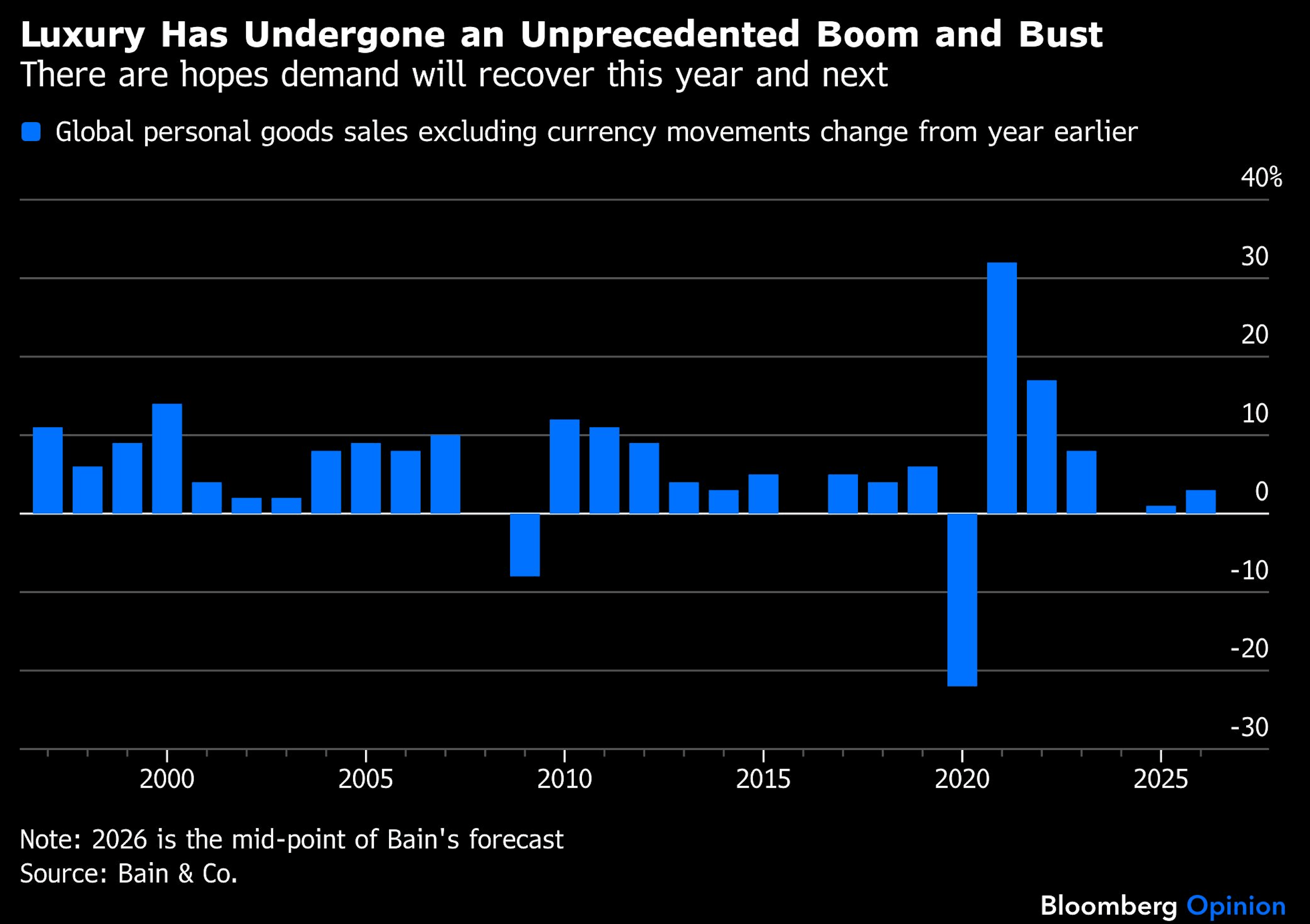
The global luxury industry, which has been grappling with three years of lackluster sales, may gain some relief as wealth generated by artificial-intelligence companies and their trillions of dollars of initial public offerings finds its way into fancy fripperies. Increased spending on watches, jewelry and bags will be a boon for big bling — as long as the recent chipmaker sell-off and worries about data-center financing don’t turn into a broader rout.
Space Exploration Technologies Corp. made its $1.8 trillion debut last month, while Anthropic, the startup behind Claude, and ChatGPT creator OpenAI are both preparing to list. Software developer Databricks is another IPO candidate. The string of debuts is poised to create a cadre of billionaires and millionaires. And it’s highly likely that the newly minted will want to treat themselves and their loved ones.
The infusion from SpaceX and the other potential IPOs could generate about $4 billion in additional US sales next year, according to Flavio Cereda, who runs the luxury-brands fund at GAM Holdings AG. That could add about 1 percentage point to projections of global luxury goods sales growth in 2027.

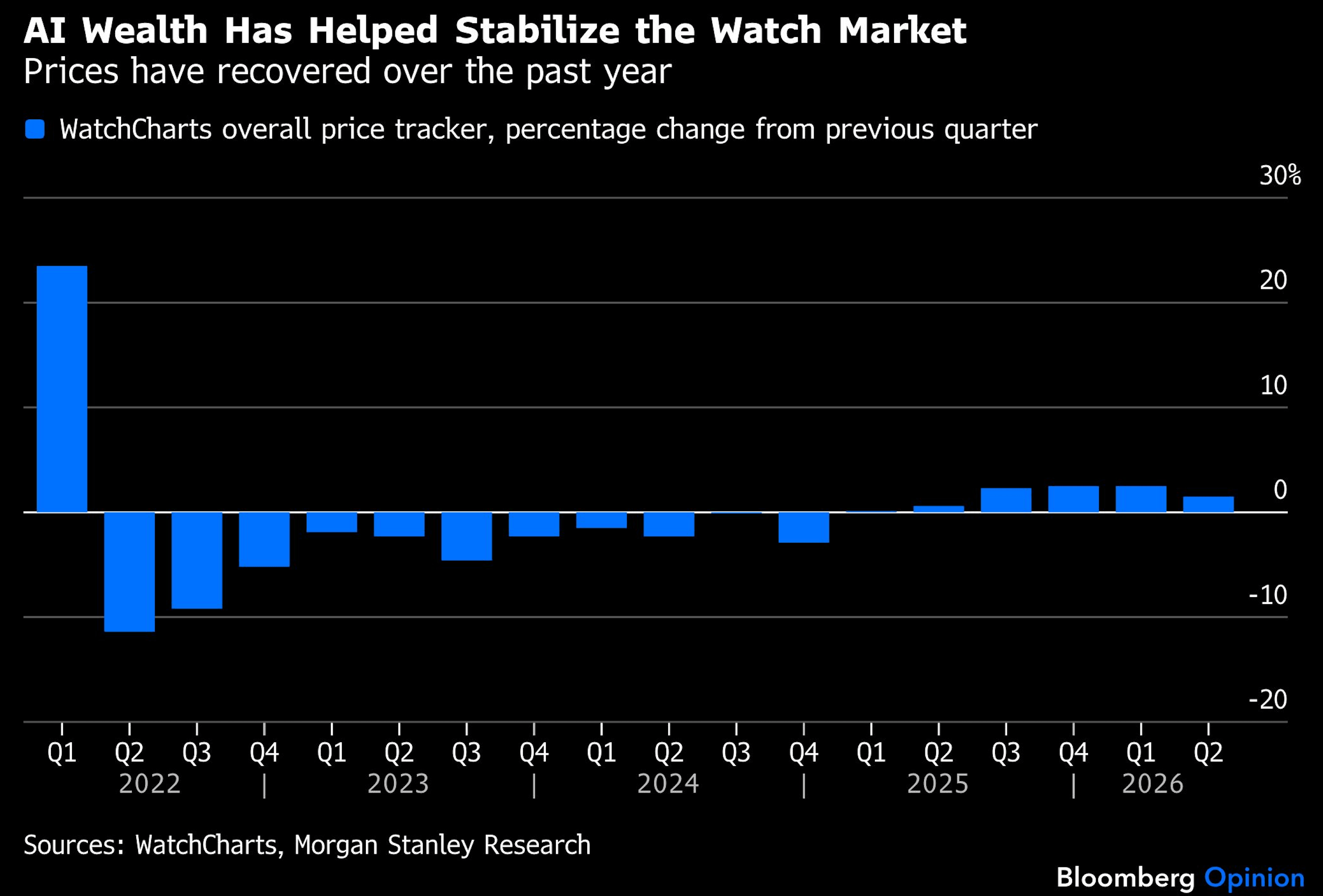
In many ways, the AI effect is reminiscent of the boom in cryptocurrencies in 2021. That year, Bitcoin’s gains that saw the digital token more than double in value were funneled into watches, particularly those changing hands on the secondary market. Timepieces are proving popular this time round too. The market for second-hand watches has recovered over the past year, and the AI wealth effect has definitely contributed, Charles Tian, founder and chief executive officer of research site WatchCharts, told me.
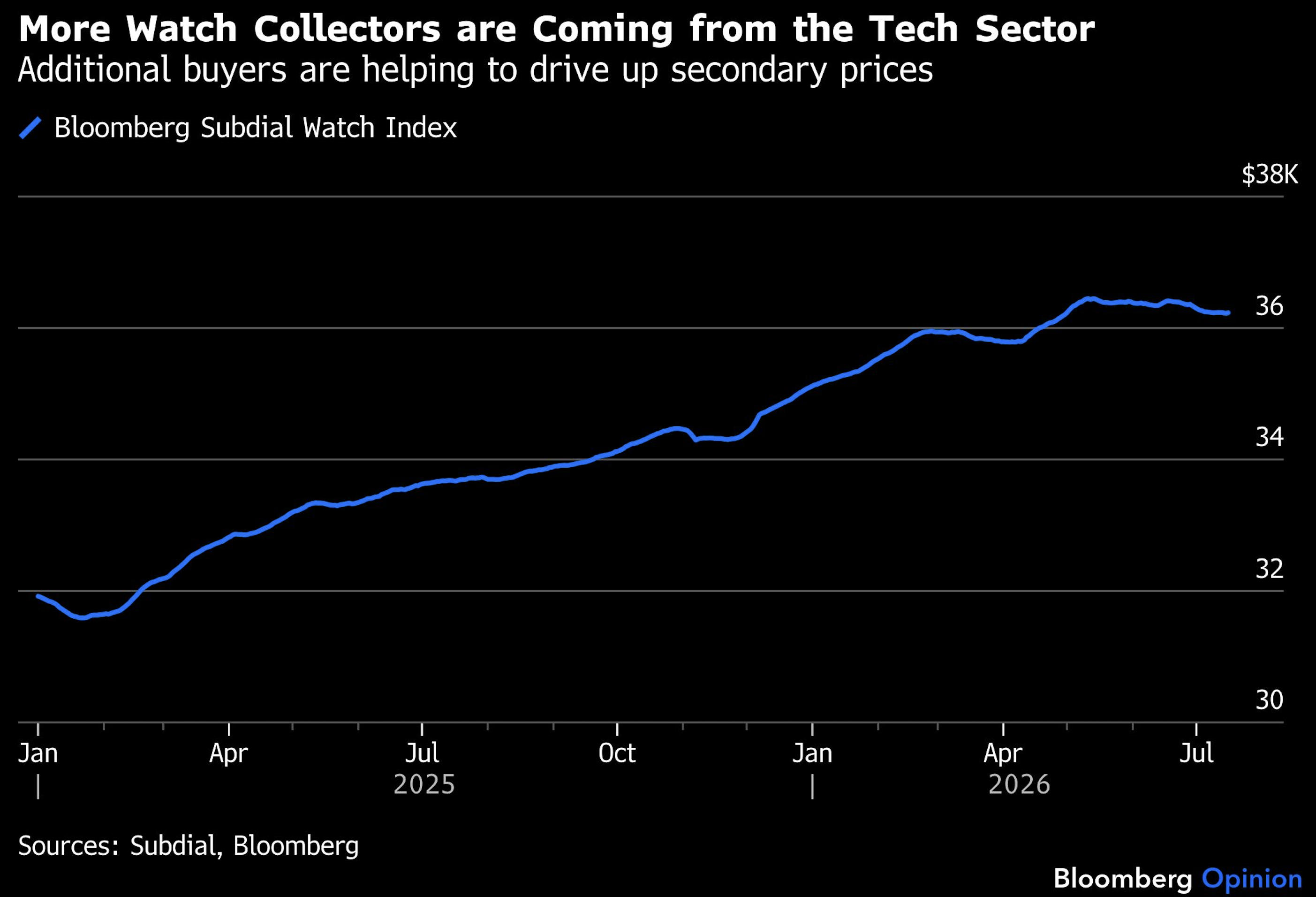
Customers at London-based secondary watch platform Subdial have traditionally come from the finance industry. But co-founder Christy Davis told me that over the last six to 12 months he’s seen more buyers, often younger collectors, from the AI and tech worlds.
The abundance should ripple out far beyond watches. Luxury cars should get a lift, while art, which has suffered a downturn similar to personal luxury goods, might also benefit. Jewelry will be another natural home for AI riches — good news for Cie Financiere Richemont SA, owner of Cartier and Van Cleef & Arpels.
When it comes to other brands, the spoils will be divided depending on just how much money different cohorts make. Across the luxury industry, high net worth and very high net worth individuals account for about 60% of spending, according to Cereda’s calculations. The wealthiest will likely reach for the names that have become the new signifiers of status: Italian house Brunello Cucinelli SpA and LVMH Moet Hennessy Louis Vuitton SE’s Loro Piana. Privately held Chanel Ltd. has sparked a mania for its bags, shoes and clothing designed by new creative director Matthieu Blazy. Hermes International SCA’s iconic handbags will be on the shopping lists of women — and, increasingly, men after soccer stars such as Erling Haaland sported them at the World Cup.
But if a broad swath of workers in AI companies benefit, that could boost demand for everything from Gucci mini-bags to Louis Vuitton lipsticks. The effects could be amplified if the gains spread more widely to stock-market investors — provided the post-listing performance of the IPOs matches the hype.
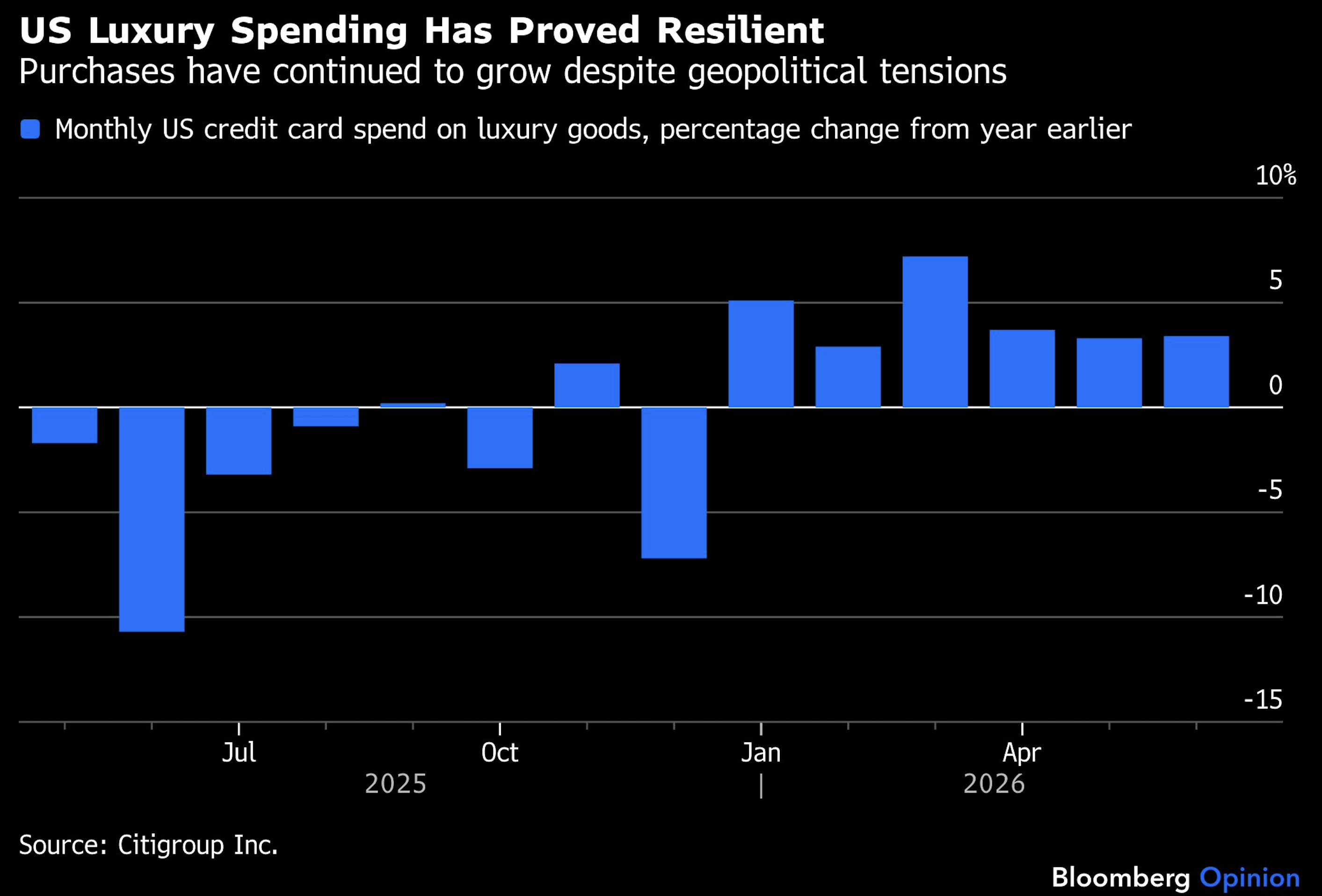
We’ve already had a snapshot of this: The US luxury market has been going gangbusters, driven by the S&P 500 index’s climb to a record in recent months, led by the semiconductor equipment index’s gain of almost 170% in the past 12 months. Richemont’s sales from the America’s rose 27% in the three months to June 30, excluding currency movements. LVMH, Hermes and Gucci-owner Kering SA will update next week.
Richemont and British luxury brand Burberry Group Plc have also highlighted South Korea as a current bright spot, and with future potential to generate increased sales. Even after the recent sell-off, the region’s benchmark Kospi Index has doubled over the past year; meanwhile, chip workers at Samsung Electronics Co. are set to receive average bonuses of $340,000. In Japan, young people who’ve ridden the Nikkei 225 Index’s rise have been splurging on Cartier jewels and Saint Laurent clothing.
But luxury’s AI trade isn’t without risk. SpaceX shares have fallen below their IPO price, a sobering thought for those coming to market. Any worries would be exacerbated if the recent selloff in chipmakers spreads. Not only could this adversely impact the listings schedule, but luxury demand in the US tends to be correlated with stock market performance. Downward shifts could put a brake on the industry’s best-performing region.
Even if a correction is avoided, there’s another danger: luxury brands becoming associated only with the very wealthy. While selling to the highest echelons should swell their coffers, it won’t make up for middle-class customers cutting back. And courting the AI crowd could be even more dangerous if there is a backlash against the tech overlords in their Brunello Cucinelli quarter-zip tops and million-dollar watches.
For now, though, those risks look minimal. As big bling tries to convince investors that its downturn is a temporary blip and not a permanent contraction, the AI-enriched can ride to the rescue.
A message from Advisor Perspectives and VettaFi: Discover something new! Click here to register for our upcoming webcasts.
Bloomberg News provided this article. For more articles like this please visit
bloomberg.com.
Read more articles by Andrea Felsted