Only 5% to 6% of people 50 and older include charitable giving in their wills.
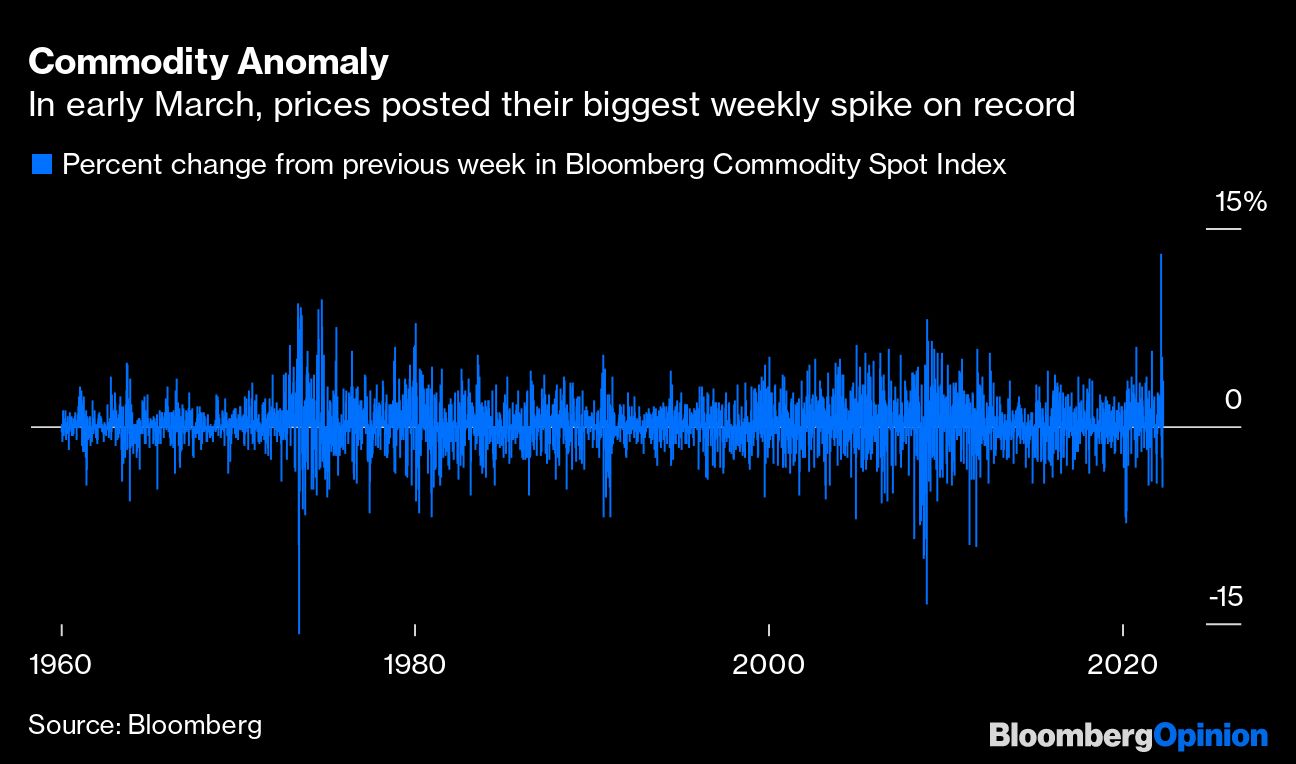
Inflation is often viewed as an economic phenomenon, with mostly economic effects. Policy makers today worry about what inflation will do to the housing market; they express concern about government borrowing costs.
This is a hard time to retire. The market is down 7% from last year and the rate of inflation has risen to 8.5%. Both are brutal to your bottom line when you're on a fixed income. But buck up! As bad as things seem, odds are you are in better shape than your parents or grandparents. And if they got through retirement comfortably, so will you.
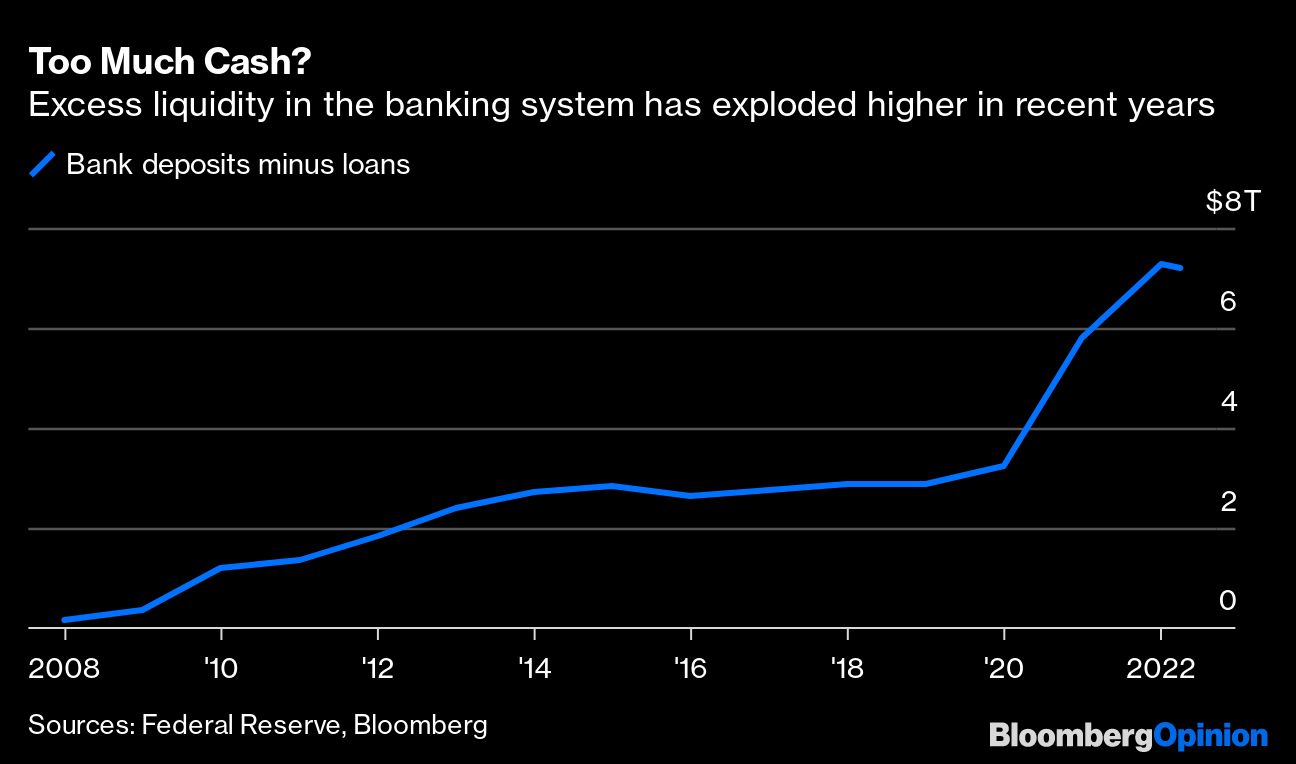
Savers are about to learn one painful and one surprising lesson about interest rates and banks. First, just because the Federal Reserve is raising rates doesn’t mean the rate investors earn on their cash will rise as much — if at all. In fact, the financial repression in the form of zero rates suffered for more than a dozen years by those who are ultra conservative with their savings isn’t going away soon.
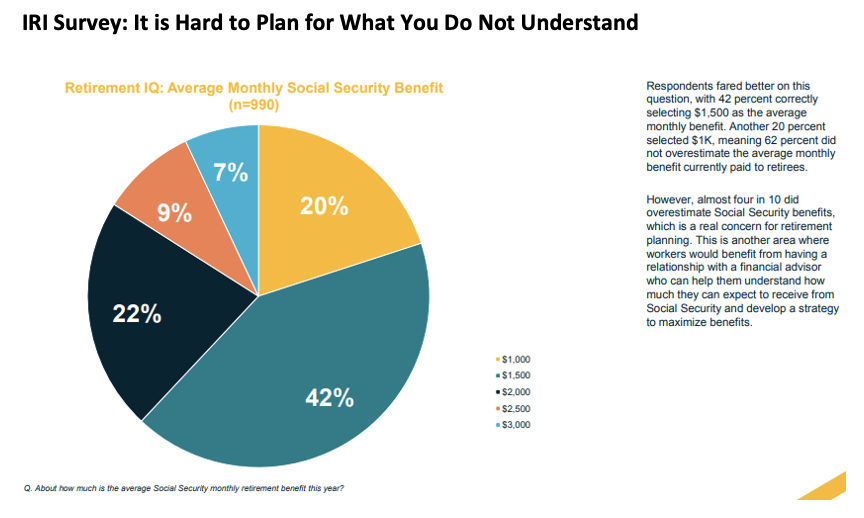
Each April, we are moved by hope – it is financial literacy month. To help close the growing savings gap, we strongly feel financial literacy and better knowledge of retirement and financial planning fundamentals are critical to securing more stable financial futures.
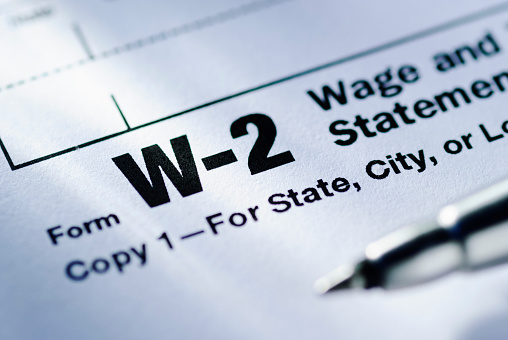
I require clients to send me their most recent tax returns. Here are the insights I learn and how it provides a ton of value to clients.
After a multi-decade pause, the winds of inflation have picked up. Only TIPS have been an effective hedge against inflation. Other asset classes have failed to varying degrees.
We know the Covid-19 pandemic has changed the U.S. workforce forever. What we don’t know for sure is how the changes will play out. Some are accelerations of trends that began around the time of the financial crisis in 2008 or earlier, while others were directly inspired by the pandemic. Still others were temporary dislocations that will revert. But it’s anyone’s guess which changes are which.
The successive financial bailouts of the past few decades, necessary as they were, have created a growing expectation: Whenever there’s distress in markets, central banks must step in. Once focused narrowly on traditional banks, they’ve provided emergency lending to prop up markets ranging from Treasuries to high-yield corporate debt.
“Banks are forever going to be trying to play catchup,” said Michael Moro, CEO of digital currency prime brokerage Genesis. “Crypto is going to move way faster than banks can. We have every bank in the world pretty much having some sort of crypto, blockchain working group.”
Your firm’s digital messaging and visual expression must all align with your ideal clients’ needs, goals and objectives. Here is how four top advisors achieved that goal.
Does a risk-free bond with 7% yield interest you? If so, read about the red-headed stepchild of the bond world that is finally attracting investors.
Hire before you need help. You’ll win no awards for all the extra work you’re doing.
The surging popularity of direct indexing has led to confusion. Some believe it is barely indistinguishable from indexed investing, while others claim it is active management “in drag.”
How bullish are we feeling? If the American Association of Individual Investors’ weekly survey is anything to go by, not very. It has been carried out for decades and is much followed as a measure of sentiment. Retail investors are simply asked if they’re feeling bullish, bearish, or neither.
Jerome Powell wants to quell inflation without sinking the labor market. Success or failure will be a defining part of the Federal Reserve chair’s legacy and the pro-employment policy he’s championed.
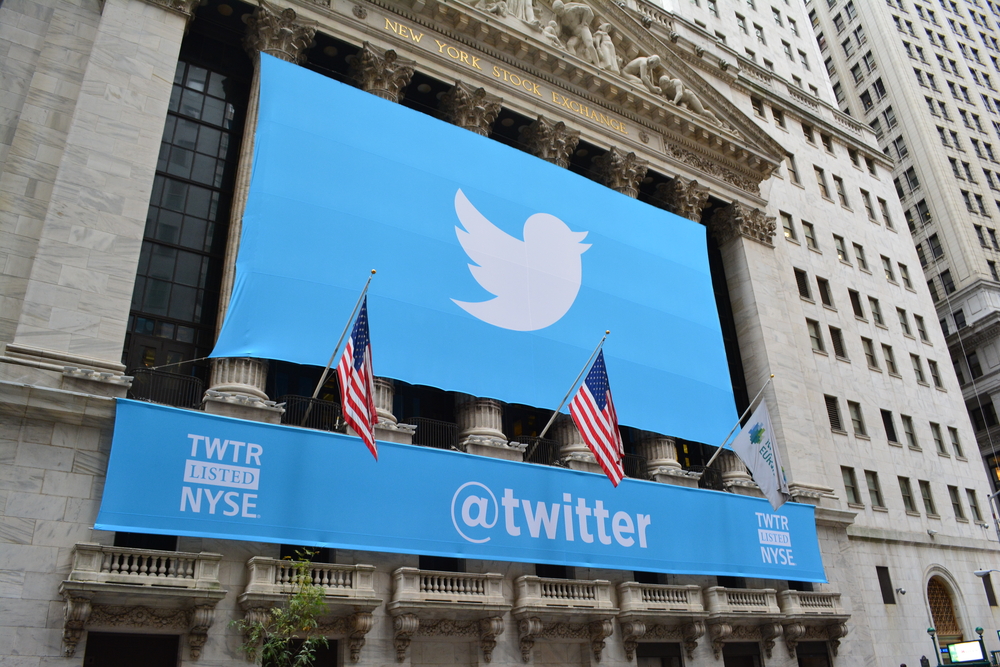
Twitter Inc., which is trying to defend itself against Elon Musk’s $43 billion takeover bid, has a poison pill in place, so the next obvious move on the hostile M&A to-do list is likely already being contemplated: a white knight.
A couple dollars more a month normally isn’t enough to move the needle, but when Americans are facing the fastest inflation in 40 years, something has got to give. And for 600,000 people in the U.S. and Canada, that something was their subscription to Netflix Inc.
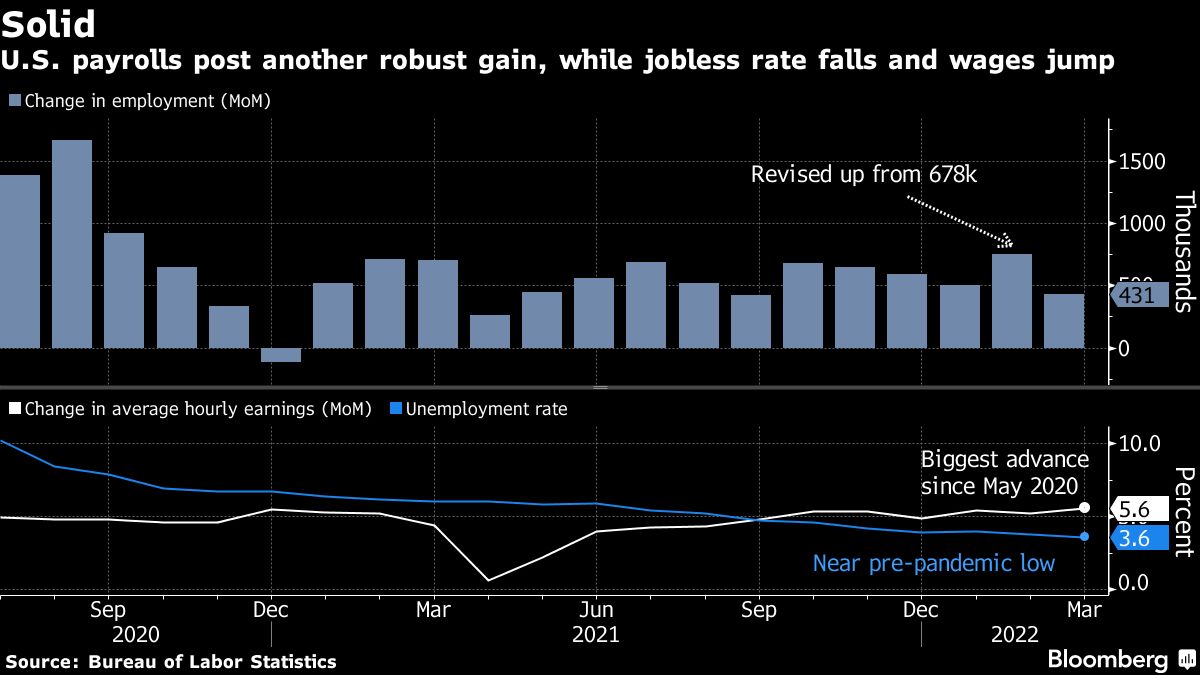
By most measures, the U.S. economy is doing well — but not when it comes to inflation. Consumer prices rose 8.5% in the year to March. Wages are rising too, though not fast enough to keep up. That means financial stress for many families, especially those on fixed incomes or with meager savings. With midterm elections approaching, President Joe Biden’s administration is likely to be judged on how it deals with this problem.
Contract closings decreased 2.7% in March from the prior month to an annualized 5.77 million, figures from the National Association of Realtors showed Wednesday. The figure was in line with estimates in a Bloomberg survey of economists.
Our words help us dress up or dress down for the occasion.
An outdated website will tarnish your brand and cause you to miss opportunities to grow your reputation, reach, and revenue.
A few weeks ago, I wrote an article on strategies to become more time efficient. Since that time, I have been inundated with advisors asking questions such as…
Many of you are struggling to decide whether you should breakaway and form your own RIA. I confronted the same decision many years ago. Here’s my story.
Depending upon the annuity that is being recommended and its purpose, your discovery process should include these questions. This article is written for clients and can be forwarded to them using our Premium Membership Service.
ICYMI: In this roundup, we’re highlighting the five most popular pieces of content from the previous week.
The Federal Reserve’s most hawkish official cracked open the door to discussing the first 75 basis-point interest-rate hike since 1994, a move economists say would be a last resort in case inflation further spirals out of control.
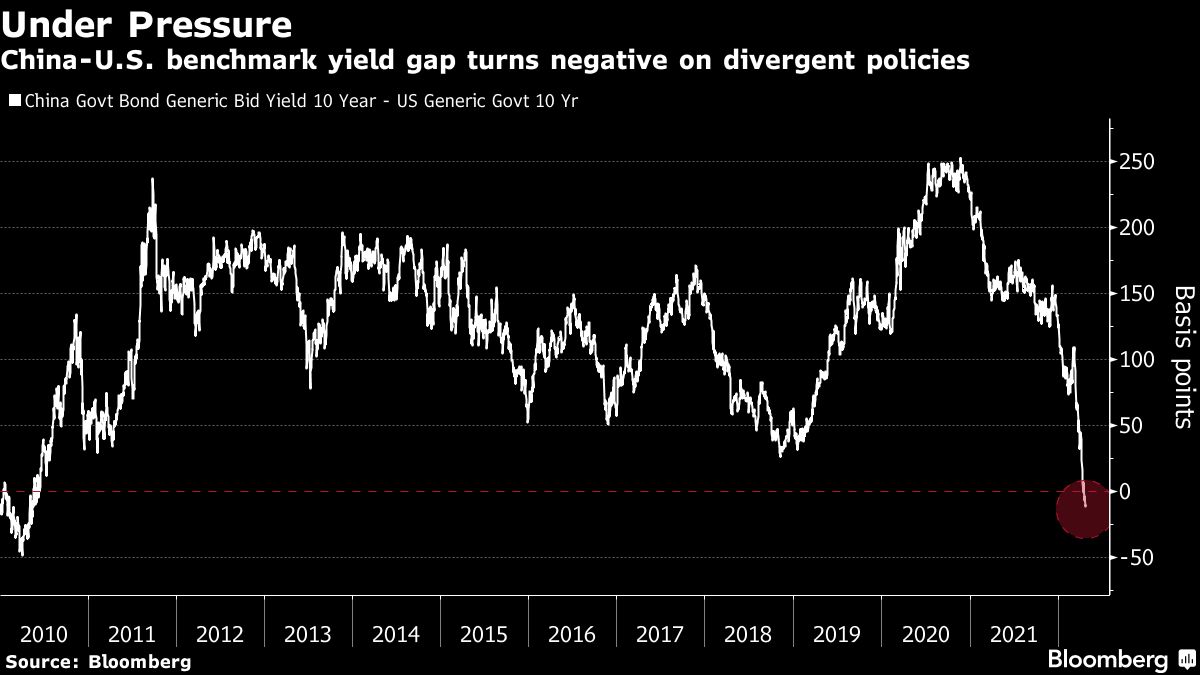
Asia’s two biggest central banks are having to grapple with the fallout from the Federal Reserve’s hawkish pivot.
Viral success stories of people who used the post-pandemic stock market to trade their way out of mountains of student loan debt keep inspiring do-it-yourself investors.
Millennials took one look at their financial future and, early on, realized it was bleak. The YOLO generation started saving for retirement — stuffing away money in 401(k)-type accounts — nine years earlier than their baby boomer parents did, according to a new study.
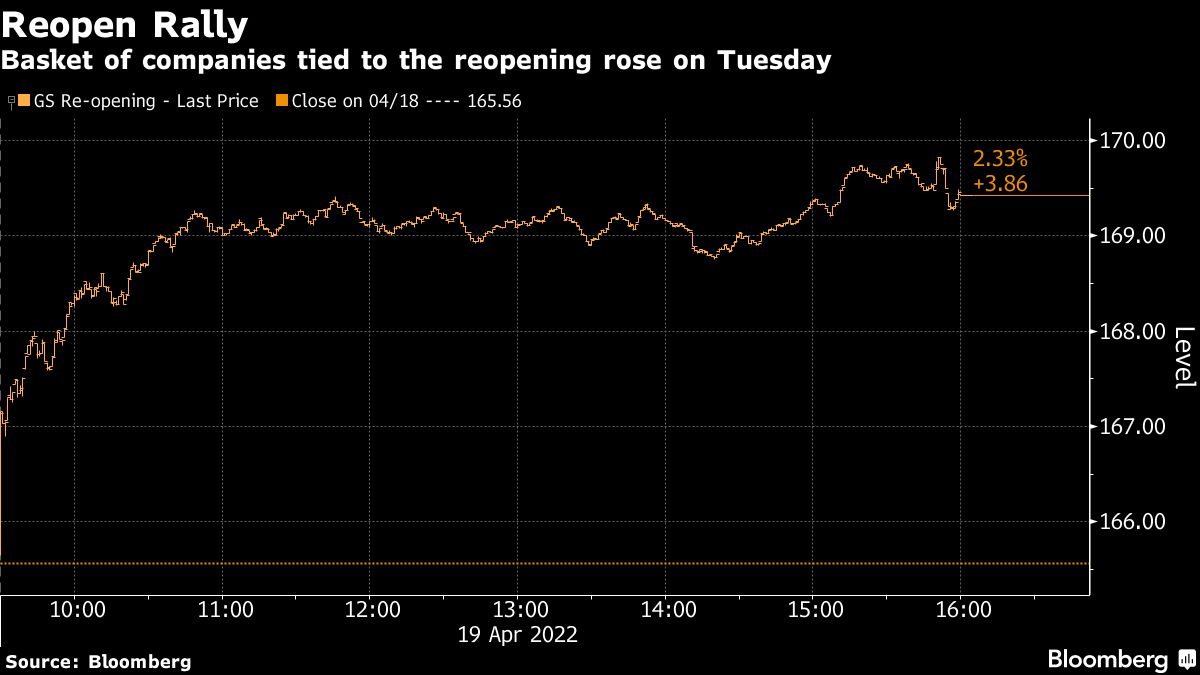
The S&P 500 rose 1.6%, its best day since mid-March and only its second gain in seven sessions. The Russell 2000 Index of smaller firms added 2% in its strongest performance of April. Meanwhile, S&P sectors sensitive to the economy -- including consumer discretionary and real estate -- outperformed, with only energy closing lower.
Together, 30 of the biggest asset managers have at least $550 billion invested in oil, gas and coal companies that have expansion plans, and even more alarmingly, they continue to provide “fresh cash to companies that are ignoring climate science,” said Lara Cuvelier, sustainable investment campaigner at Reclaim Finance, a nonprofit which published a scorecard Wednesday grading investment firms on their environmental commitments.
Someone who wouldn’t dream of betraying their spouse or partner by having an illicit affair is risking the relationship in another way: by committing financial infidelity.
If your tax planning makes your clients’ life more difficult, you’re doing something wrong.
Can I afford to retire? Is it the right time? Here is how I answer those questions from my clients.
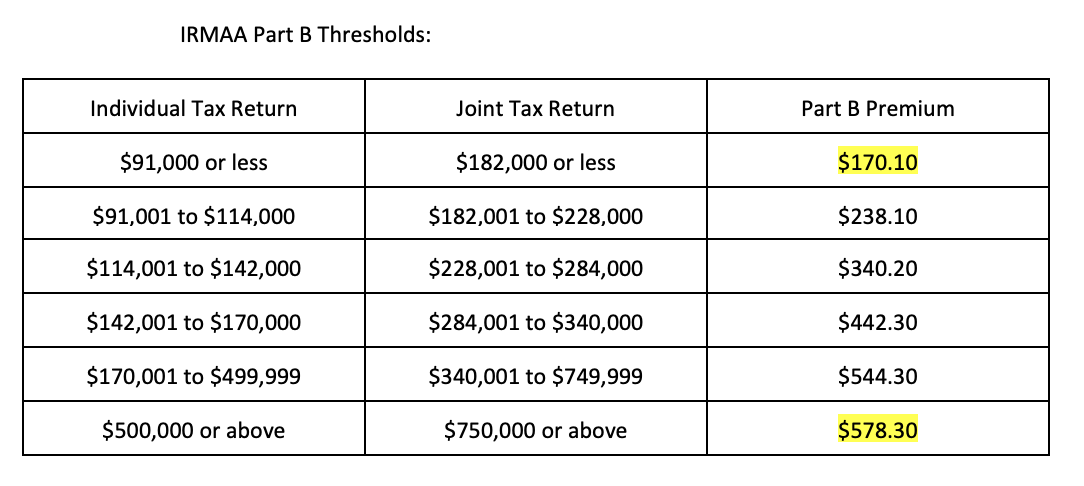
We’ll tackle IRMAA in this article. I’ll provide you with information to teach you how you might be able to get rid of IRMAA.
Comparing advisors to big-rig truck drivers makes more sense that you think, once you consider the eerie similarities in their business models.
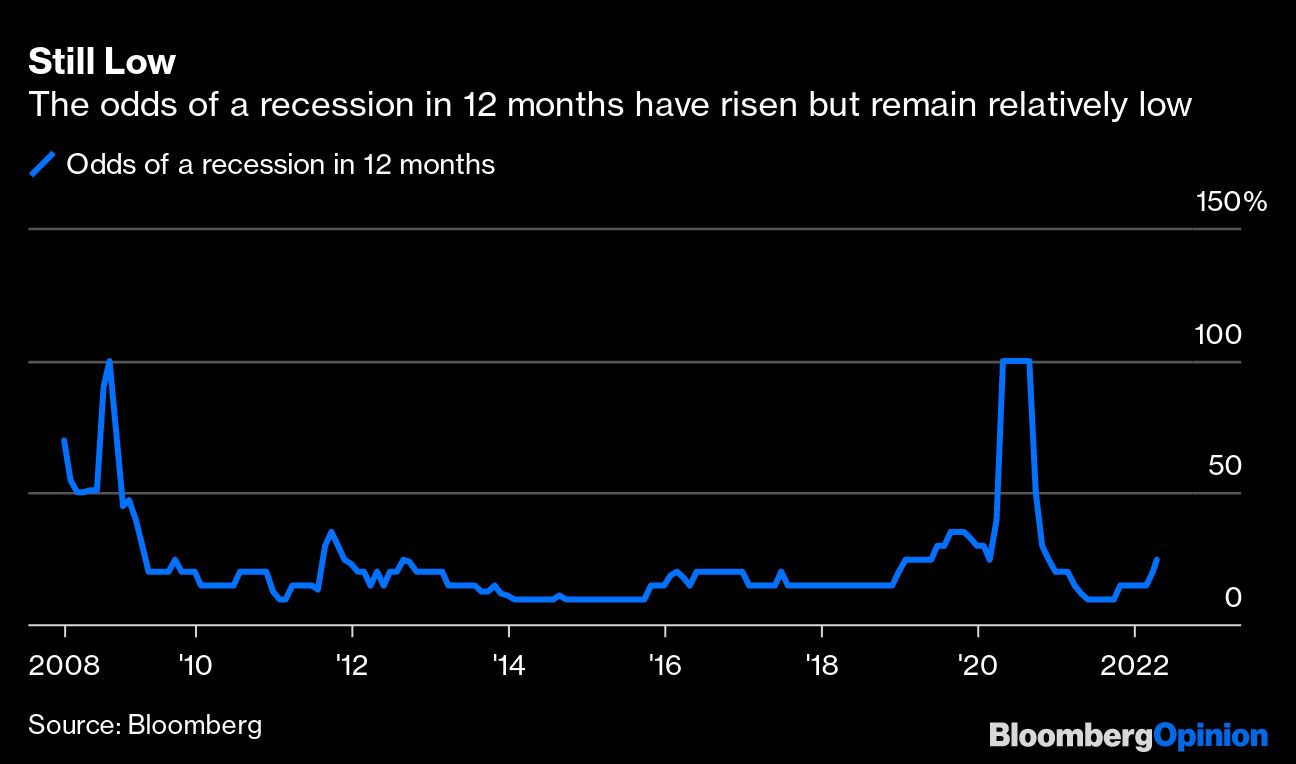
The recession chatter has been building for a few weeks but really picked up on Easter Sunday, when Goldman Sachs Group Inc. chief economist Jan Hatzius published a report putting the odds of a recession at about 35% over the next two years. He noted that 11 out of 14 tightening cycles in the U.S. since World War II were followed by a recession within two years.
For all the histrionics, from the 2018 tweet “considering taking Tesla private” for which he incurred a $20 million fine from the U.S. Securities and Exchange Commission to smoking weed during a podcast and his latest foray offering to buy Twitter Inc. for about $43 billion, Elon Musk is a pretty good business manager. In fact, the chief executive officer of the world's most valuable automaker has no equal.
If you are under 45 and live in America or Europe, the odds are this past year has been your first real experience with inflation. Other than a blip in 2008, inflation has barely topped 3% in the last 30 years.
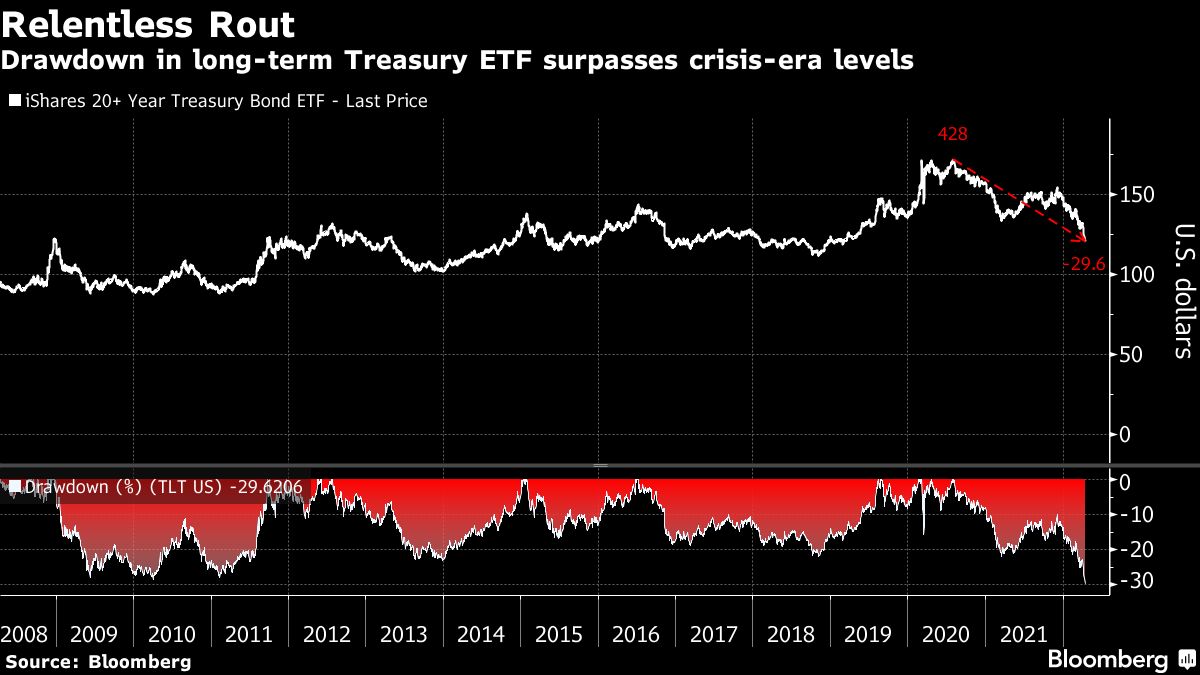
Long-maturity Treasuries are contending with their biggest drawdown on record, at least according to their most popular exchange-traded fund.
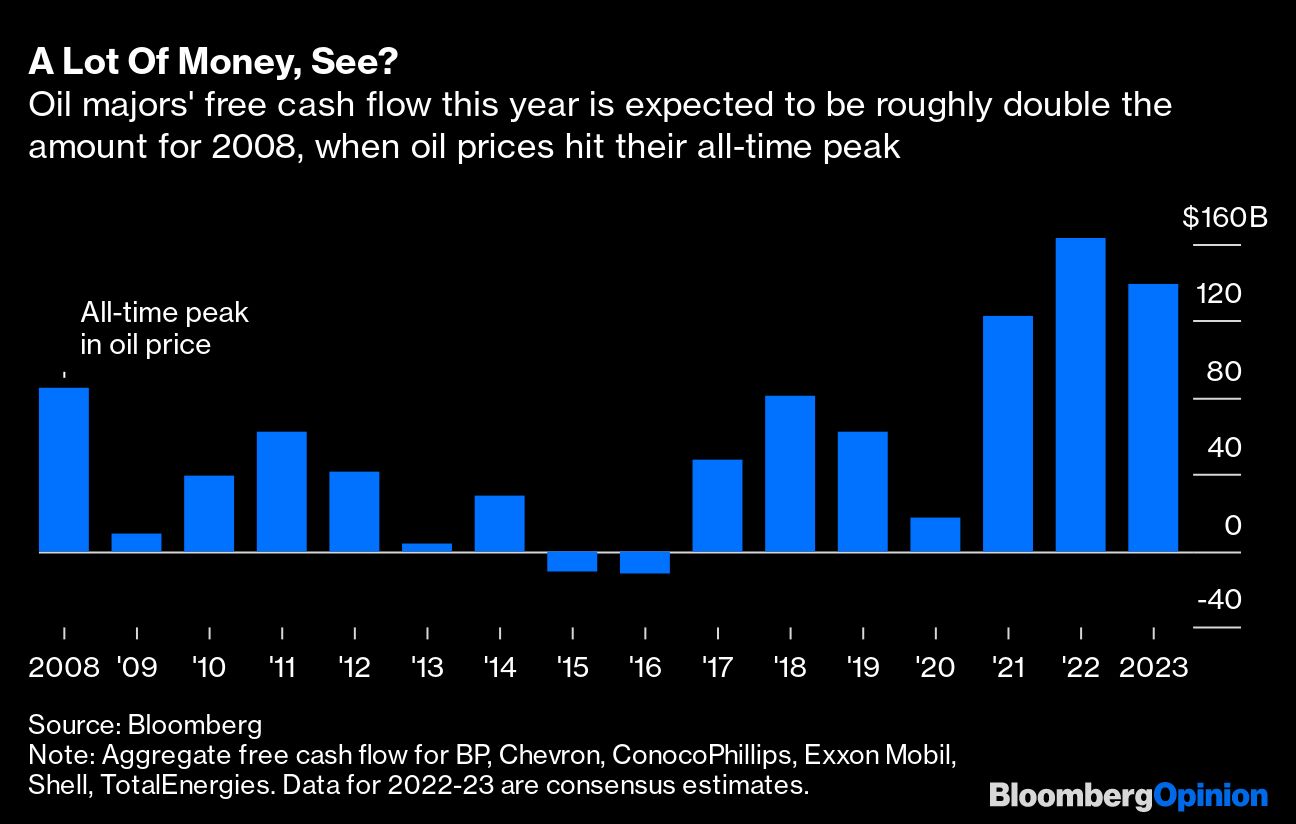
Six of the largest Western oil producers — BP Plc, Chevron Corp., ConocoPhillips, Exxon Mobil Corp., Shell Plc and TotalEnergies SE — are expected to generate free cash flow, after capital expenditure, of $163 billion this year.
Bitcoin dropped to its lowest level in more than a month and other digital assets tumbled as investors’ tendency toward risk aversion, combined with the lack of a clear catalyst for buying, drove the market lower.
Here are five tips to improve your productivity and ease your stress.
Does the scenario below sound likely? If so, you are among the thousands of RIAs who are likely to lose significant assets over the next decade.
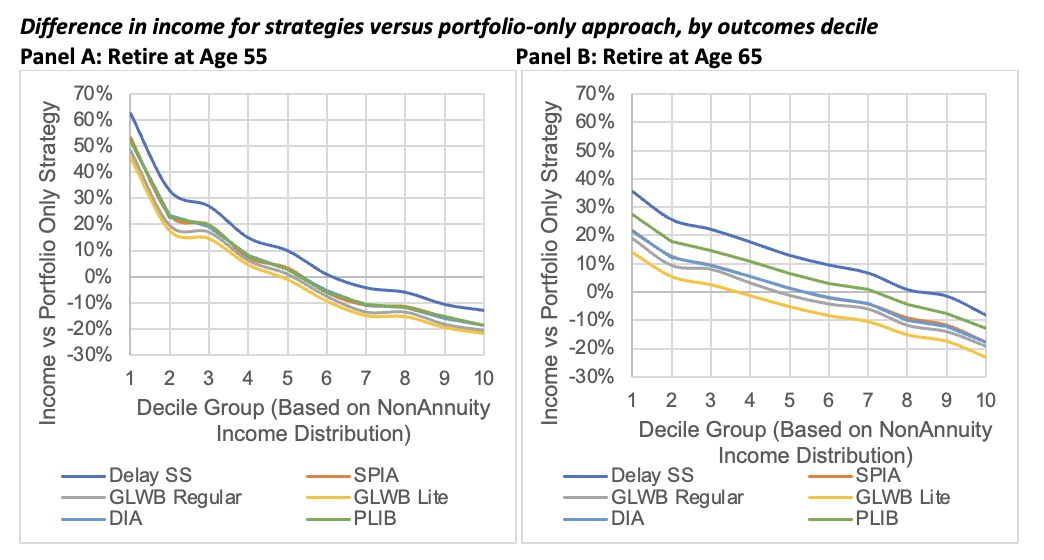
While the lower fees associated with GLWB Lite products make them seem more attractive, the expected income is significantly lower than other annuities.
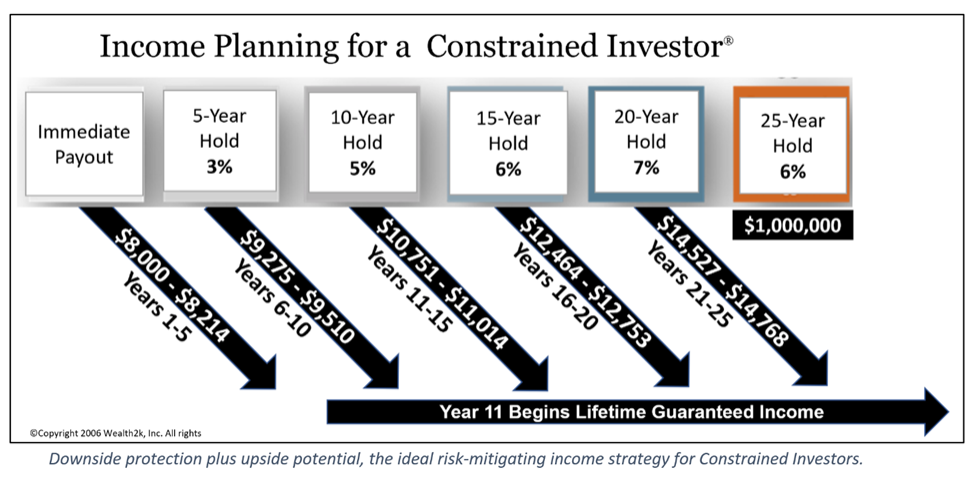
In this article, I will explain how to structure an income strategy that best serves the needs of constrained investors. Demographic, economic, cultural, and social forces argue for a new approach to retirement planning.
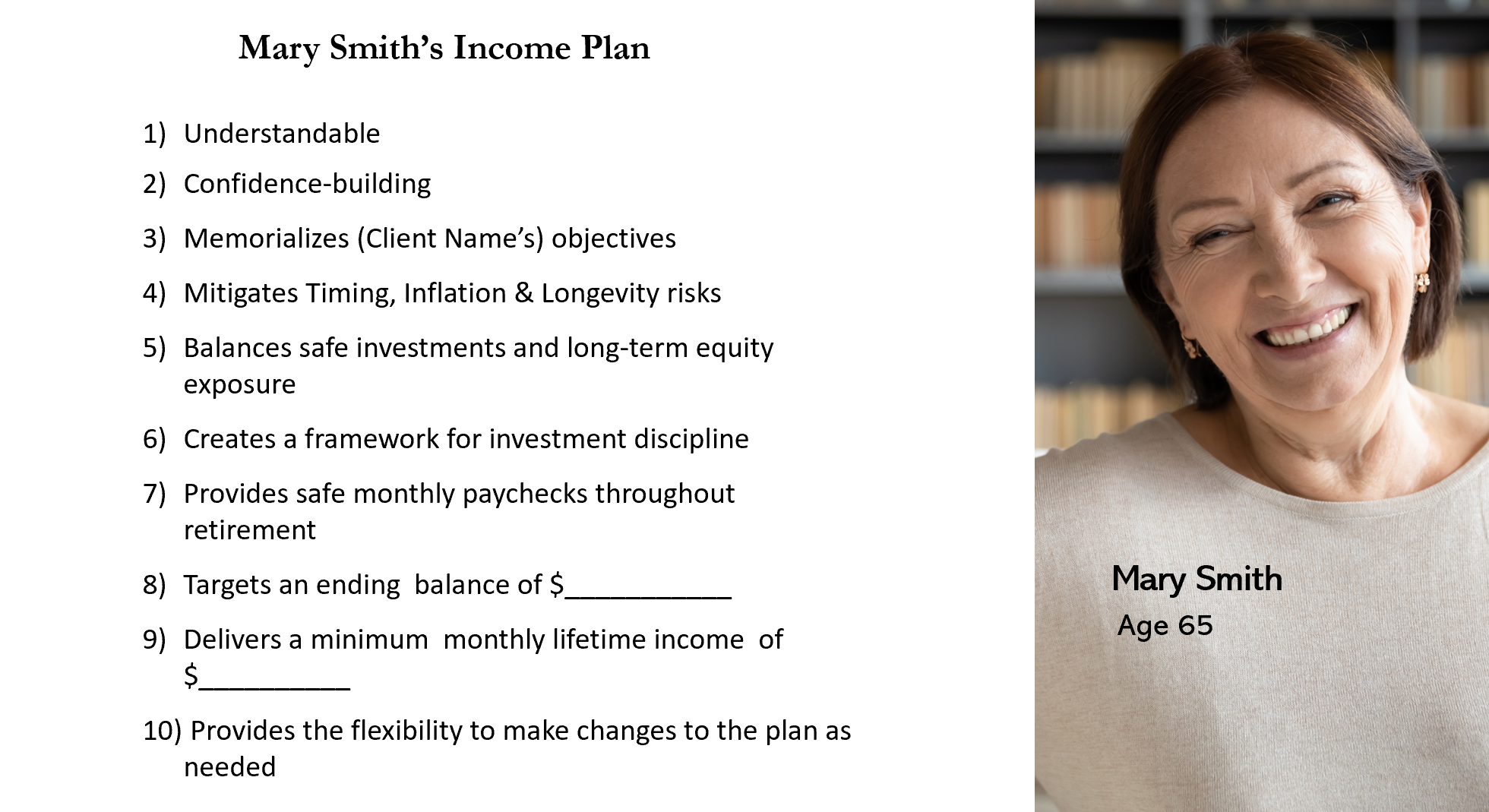
RIAs must align their communications, planning methodologies, and product set with the needs of retirees, especially women, whose chief priority is reliability of income more than return on investment.
Will the cloud drive massive increases in productivity and wealth – as the internet did before it? That is the central question asked by Mark Mills in his stunning new book, The Cloud Revolution.
You have to feel sorry for active managers.