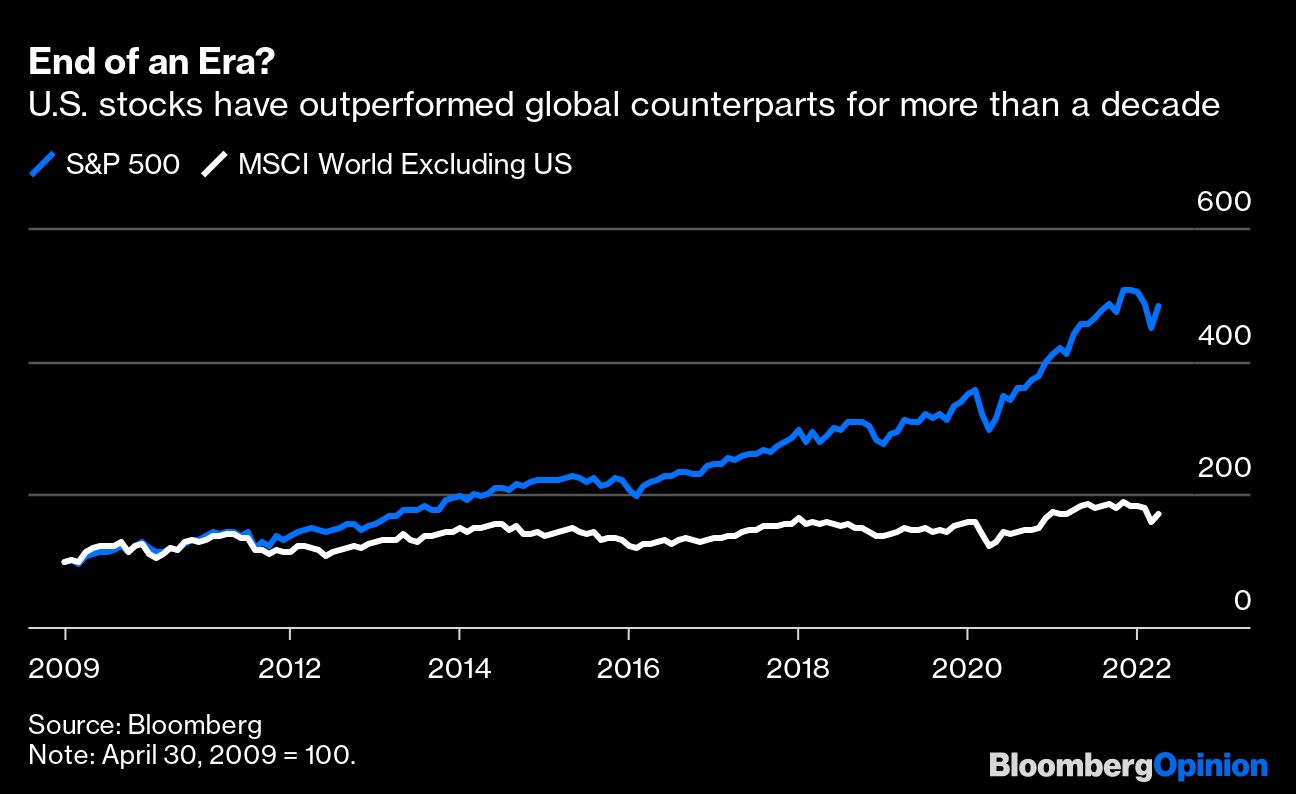
The last decade and a half rewarded investors with healthy stock and bond returns. But high valuations, low interest rates and high inflation are signals to reassess risk tolerance and asset allocations.
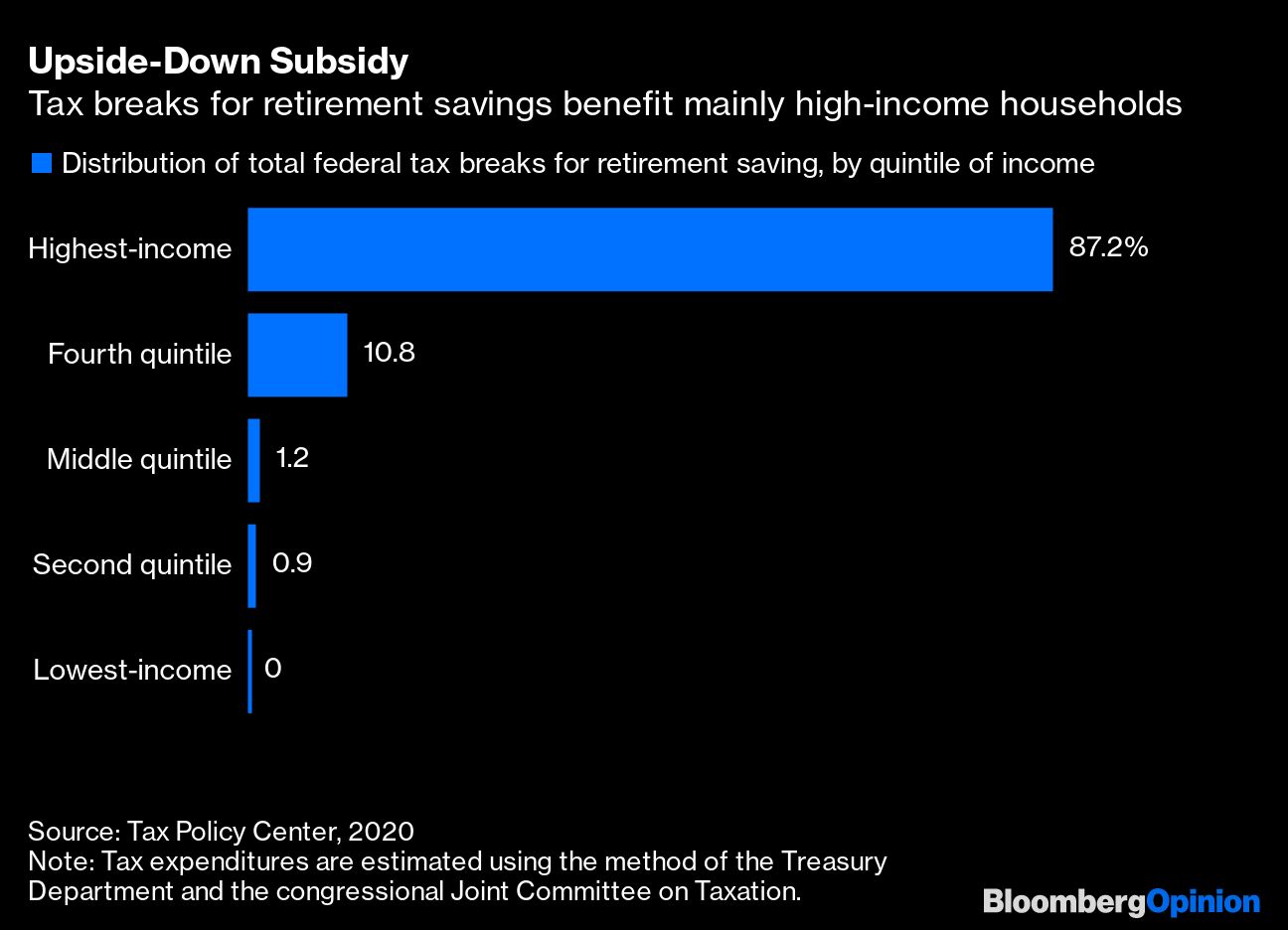
It’s hard to imagine a social program more dysfunctional than America’s morass of retirement-saving accounts. It costs hundreds of billions of dollars a year, excludes tens of millions of workers, and fails to ensure a comfortable old age for many who do participate.
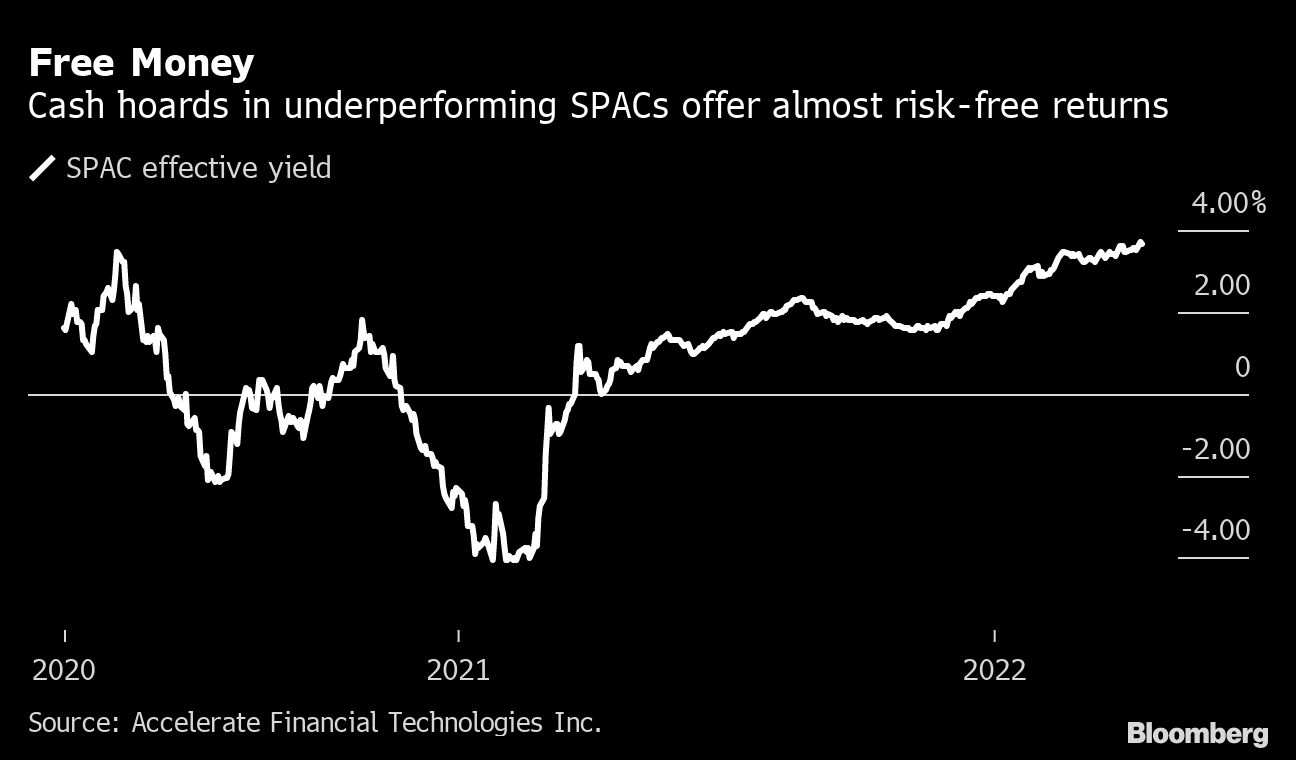
Blank-check companies have taken an epic battering, but for patient investors, the collapse creates a chance to make some easy money from a quirk in the structure of these vehicles: their holdings of Treasury bills.
The fastest inflation in decades and the resulting rush by central banks to raise interest rates are stoking recession fears in financial markets -- worries that are being compounded by the impact of aggressive coronavirus lockdowns in China and the war in Ukraine.
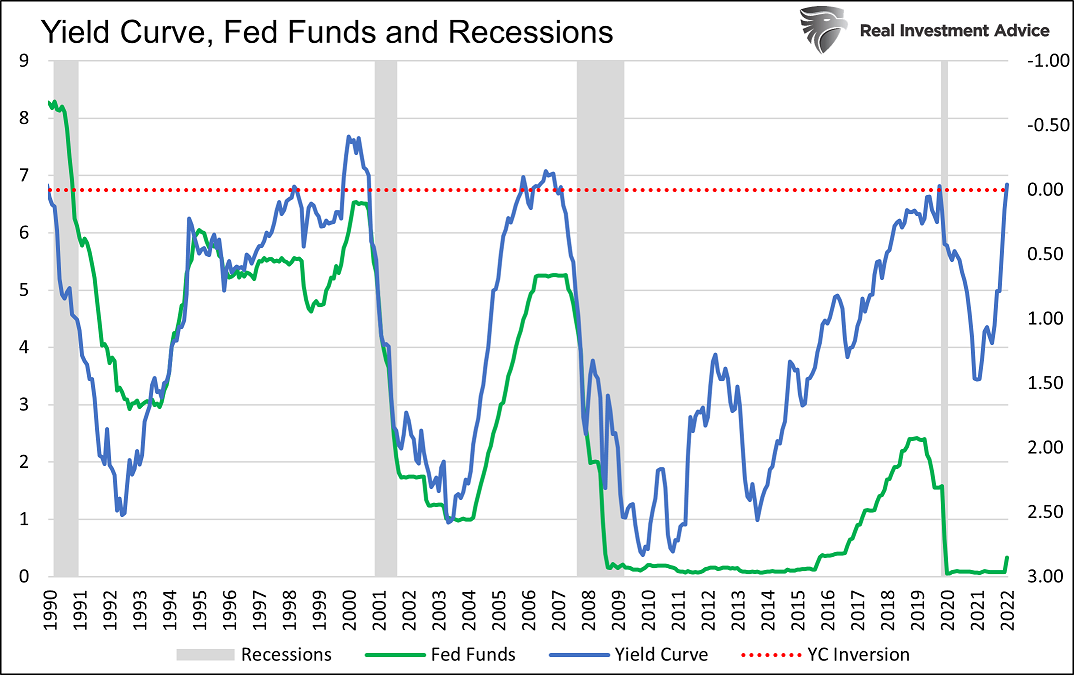
U.S. government bonds dropped across the curve, with the two-year yield up two basis points to 2.47% as of 11:28 a.m. in New York. The 10-year yield rose two basis points to 2.85%, while a long-maturity Treasury ETF suffered a nearly 30% decline from a peak in August 2020 -- a record drawdown.
At least 20 ESG-focused exchange-traded funds have launched in the U.S. this year through Wednesday, according to data compiled by Bloomberg. While comparisons are difficult to make because of evolving classifications, that’s roughly double a tally of nine from the same period in 2021, and compares with two in 2020 and just one in 2019.
Retail investors piled into Twitter Inc. stock on Thursday, after the world’s richest person and head of Tesla Inc. roiled the financial world with an audacious bid to purchase the company for $43 billion. Musk later expressed doubt about whether the blockbuster deal will succeed, but that didn’t do much to deter non-professional traders.
Give yourself a year to implement a marketing plan, and it will promote procrastination and won’t be nimble. Instead of planning out your advisory firm’s marketing tactics for an entire year, create a plan that spans just 12 weeks.
Cryptocurrencies and digital finance will catalyze an economic transformation on a par with the Industrial Revolution, according to Pippa Malmgren.
Inflation is surging, central banks are on the move and now it’s earnings season. To top it all off, stock traders face the market-roiling potential of a monthly options expiration estimated at more than $2 trillion.
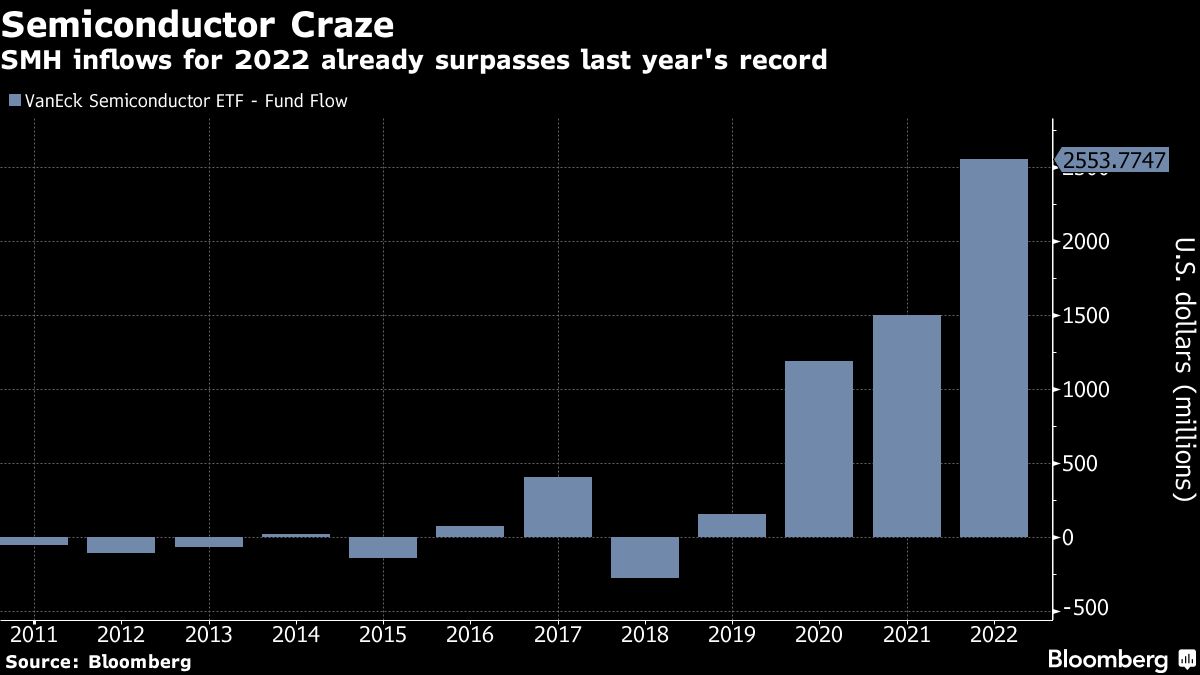
Investors are flooding into exchange-traded funds focused on semiconductor stocks, wagering the industry will rebound from the supply-chain snags and chip shortage that have dragged the shares lower.
Hundreds of celebrities from Madonna and Reese Witherspoon to Paris Hilton and Justin Bieber, have bought, endorsed or invested in projects or companies that promote nonfungible tokens over the last year — in some cases sending the prices of digital assets soaring.
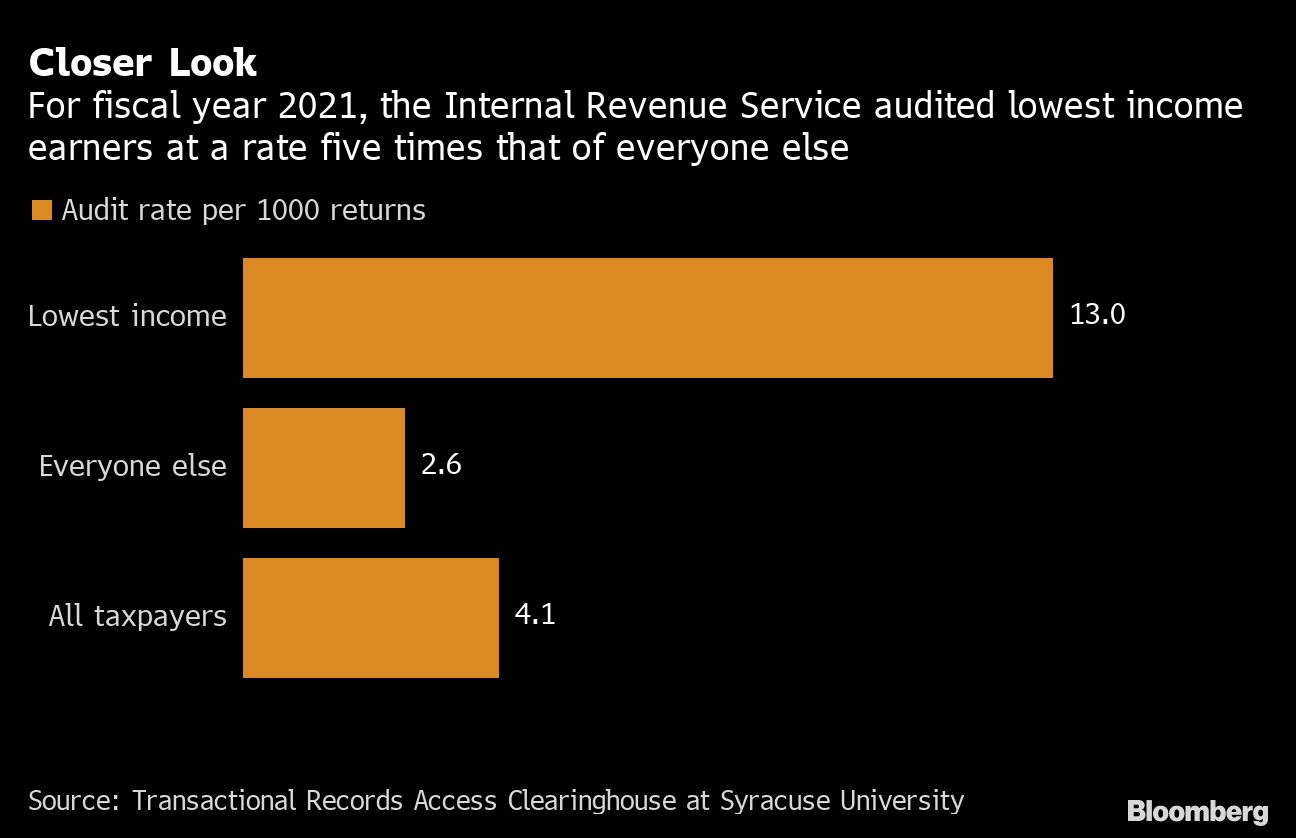
Audits are a risk that all should heed, but especially the lowest-income earners. The IRS looked at their returns at a rate five times greater than all other taxpayers in the 2021 fiscal year, according to data from the Transactional Records Access Clearinghouse at Syracuse University.
The world’s richest person will offer $54.20 per share in cash, valuing Twitter at about $43 billion. The social media company’s shares initially soared in pre-market trading before falling slightly to about $48, after investors began to assess how one of the platform’s most outspoken users will succeed in his takeover attempt.
U.S. retail sales picked up in March, helped by a surge in gas station receipts that masked mixed results in other large spending categories as consumers contend with decades-high inflation.
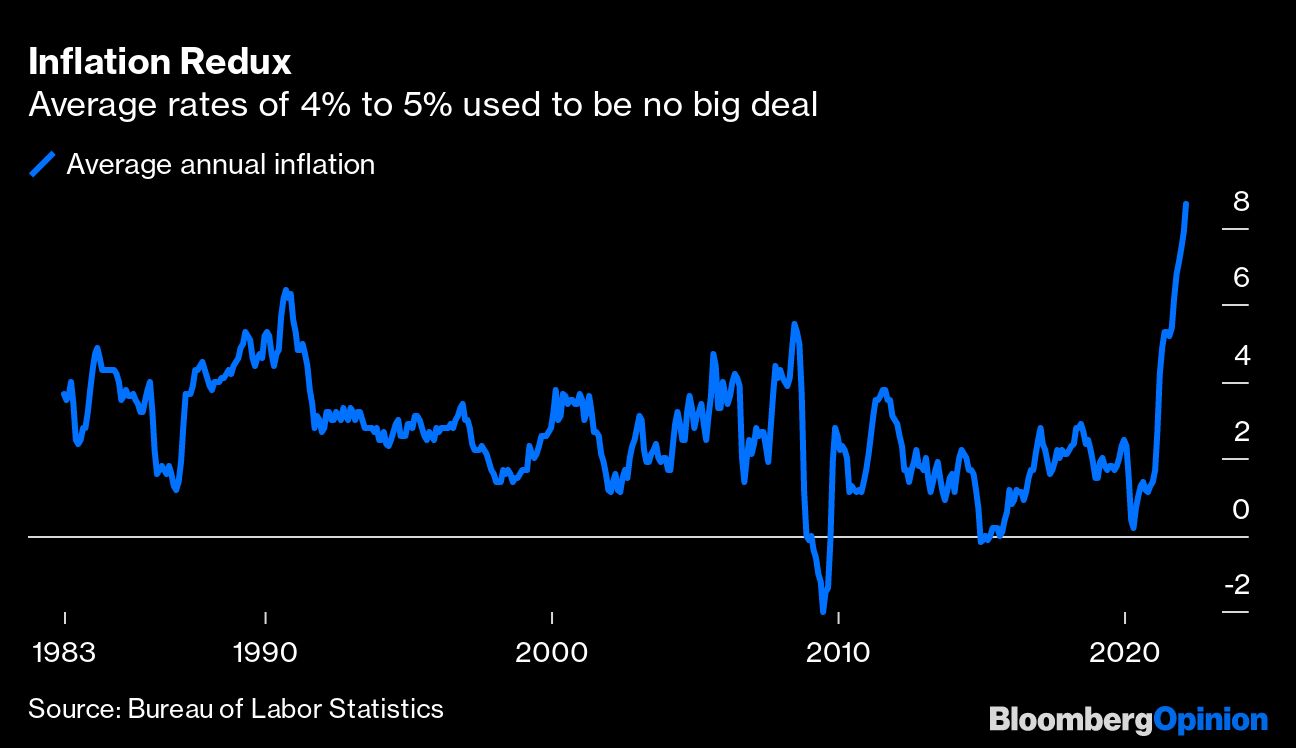
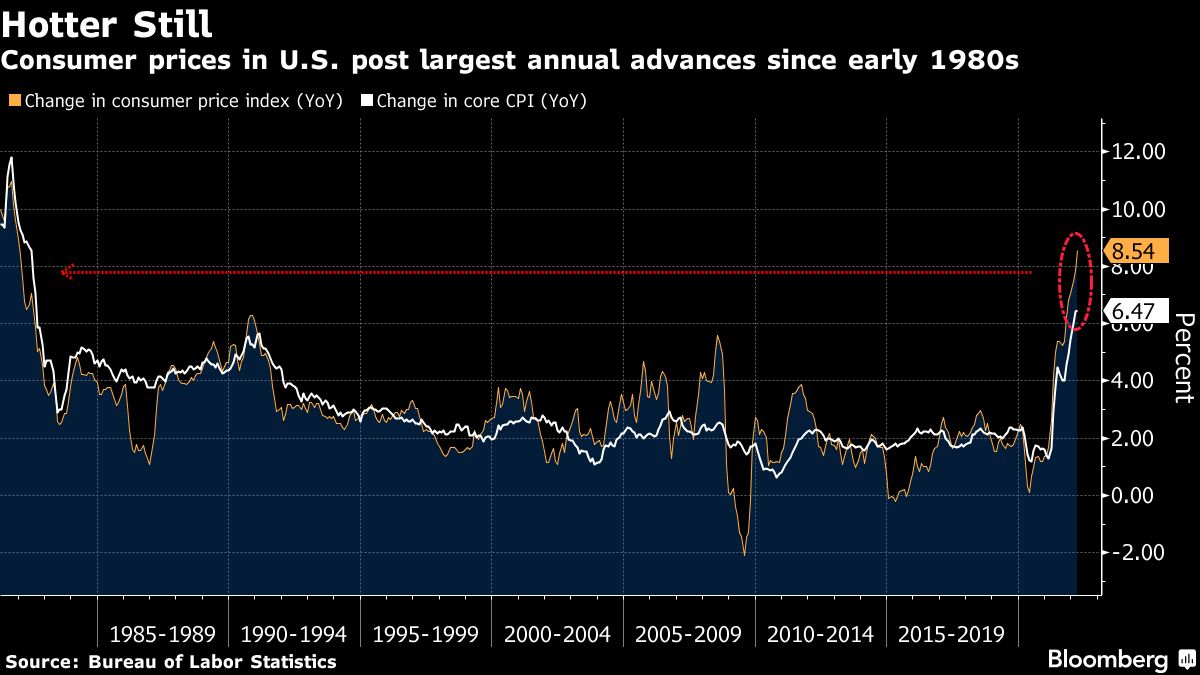
On Tuesday, the day that government-reported inflation hit 8.5%, Jeffrey Gundlach said it may reach 10% this year.
The more the Fed decides to dance with inflation and ignore the bond market and economy, the more we should expect stock prices to fall.
For years, small accounts have been overcharged and underserved. I’m encouraged, however, by what I see some advisors doing, I wish the rest of the profession were inspired to similarly elevate the value provided for the price charged small clients.
As much as I like money, I have found that being cheap looks bad, especially for a successful financial advisor.
Many advisors don’t understand risk. They apply different standards when it comes to assessing risk in their business and personal lives.
When does researching someone’s background and looking for ways to connect become uncomfortable for a person, wherein they might accuse us of stalking them?
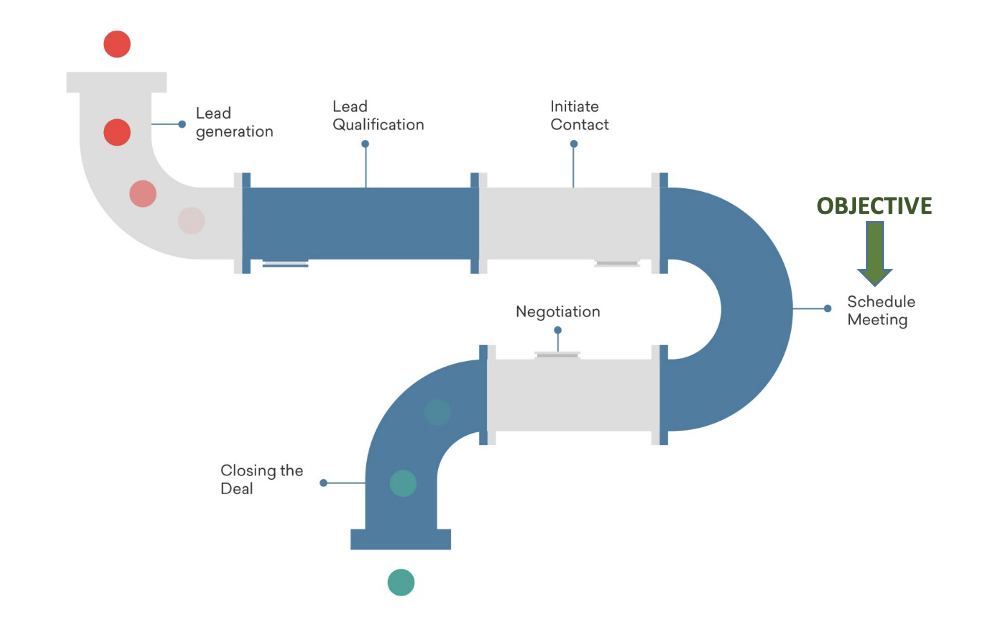
This article discusses how to build a prospect list, from generating leads to getting potential clients to meet with you.
ICYMI: In this roundup, we’re highlighting the five most popular pieces of content from the previous week.
My column yesterday outlined six categories of winners and losers spawned by the current disruptive global economic environment as it transfers incomes and assets. Here are five more that result from the repricing of goods and assets.
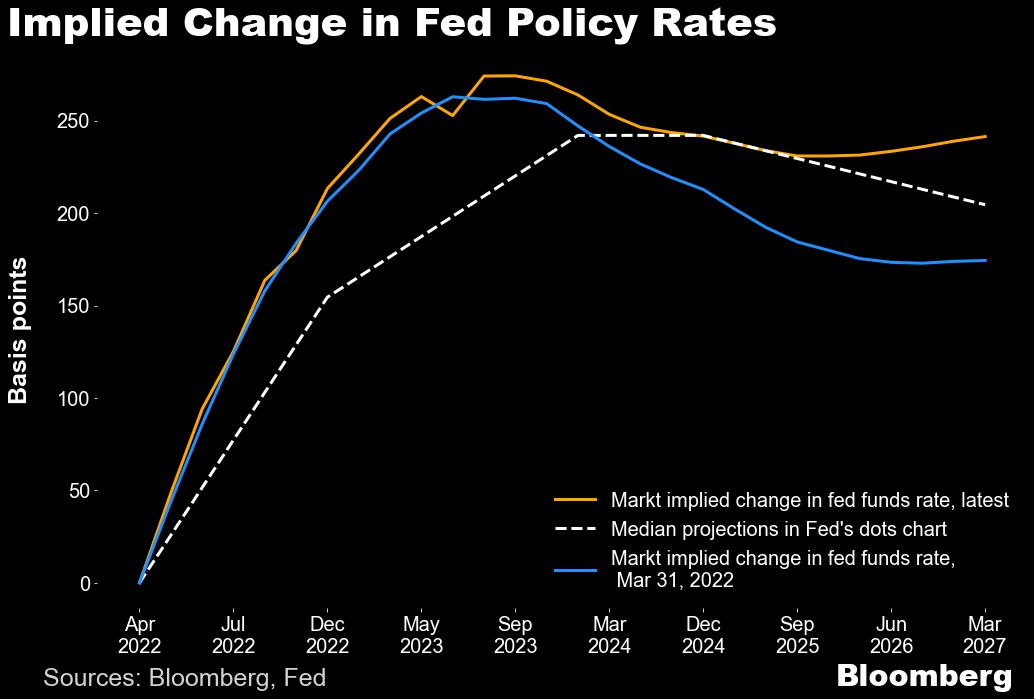
The Federal Reserve should raise interest rates to the neutral range as quickly as possible and can move above that should price pressures persist, Richmond Fed President Thomas Barkin said.
Now that inflation is back, it's not going away anytime soon. The Federal Reserve expects it to fall below 3% next year and eventually go back to 2%. But there are reasons to think that’s far too optimistic. We are living in a new world. Even after things get back to normal that could mean inflation averages 4% or even 5% for the foreseeable future.
It’s the next big market call that could enrich traders across Wall Street: The raging global energy crisis and ever-more hawkish central banks knock key economies into 1970s-style stagflation. It’s a long shot for now, but anxiety is building among money managers that this market scenario -- out-of-control inflation just as growth slumps -- will eventually come to pass, especially in Europe.
People tend to associate environmental, social and governance investing with stock-picking, a way to sort through companies based on their ESG practices. But not every investor can be choosy about the companies they own. Big pension, endowment and sovereign wealth funds oversee tens of billions and even trillions of dollars, which means they have to own practically everything.
Prices paid to U.S. producers jumped in March from a year ago by the most in records back to 2010, topping all estimates and underscoring persistent early-stage inflationary pressures that risk feeding through to consumers.
As a financial planner and financial therapist, I have some thoughts on how COVID will affect individuals' relationships with money.
Here’s how to customize your calendaring system so that you weed out unqualified prospects and spend your time talking to qualified ones.
I’m going to focus on getting tax information from prospects and demonstrating how working with you will prevent them from overpaying the IRS.
In my work with clients, one of the most important services I provide, in addition to coaching on finance, estate planning, and investing, is facilitating cross-generational conversations about what it means to have wealth, and especially about what it means to use wealth wisely.
I’ve included five essential Stoic teachings…
Covid-19, global supply-chain disruptions, frictions in reopening economies worldwide and now Russia’s invasion of Ukraine are spawning many winners and losers in economies, financial markets and political structures. Six of them are driven by transfers of incomes and assets. Five more are fundamentally the result of repricing goods and assets that I’ll cover in a separate column.
The U.S. Marshals Service held 22 cryptocurrencies valued at about $919 million last December, according to spokeswoman Shaunteh Kelly. In February the U.S. made its largest financial seizure ever: about $3.6 billion in Bitcoin stolen during a 2016 hack of the Bitfinex currency exchange. And cryptocurrencies made up almost all—93%—of the assets confiscated by the Internal Revenue Service’s Criminal Investigation Division in the fiscal year that ended Sept. 30.
Justified as they are, the sanctions imposed on Russia — one of the world’s largest exporters of metals and hydrocarbons — are wreaking havoc on already-strained commodities markets, with potentially dire consequences for the global economy. To avoid unnecessary damage, officials should be prepared to meet this extraordinary challenge with a no less extraordinary response: Emergency support from the U.S. Federal Reserve.
Easter 2022 arrives this week with its usual egg-hunting and chocolate-bunny traditions, but also with some bitter new realities. Major candy makers such as Hershey Co., Mars Inc. and Nestlé SA need to overhaul their production practices if they want to continue feeding the world’s chocolate habit.
The consumer price index increased 8.5% from a year earlier following a 7.9% annual gain in February, Labor Department data showed Tuesday. The widely followed inflation gauge rose 1.2% from a month earlier, the biggest gain since 2005. Gasoline costs drove half of the monthly increase.
There is a genre of investment research that continuously predicts economic disaster that I call “macro doom.” It has become very popular. It seems that everyone is an expert in macroeconomics today, and they’re all predicting a bust of some kind.
The SEC staff has issued a statement saying to investment advisers that their fiduciary status is “extraneous.”
I hope the discomfort and pain you experience reading this piece are but a small fraction of what I experienced writing it. I keep reminding myself that most of our problems today are first-world problems that are generally trivial and insignificant compared to what people in Ukraine are going through.
Antti Ilmanen’s Investing Amid Low Expected Returns updates his 2011 Expected Returns, a volume considered by many the definitive work on the subject.
Rising rates are a direct shot at your bond portfolio. But there's a real opportunity to address your equities and position them optimally for a rising rate environment.
If investing can be compared to farming, then selecting stocks is analogous to choosing cows. When an investment fails to perform as expected, the question becomes, “Who spreads the manure?”
Because 529 plans are exempt from SEC oversight, they can charge higher fees and use that revenue in ways that do not benefit plan participants. New research shows some states are guilty of this abuse.
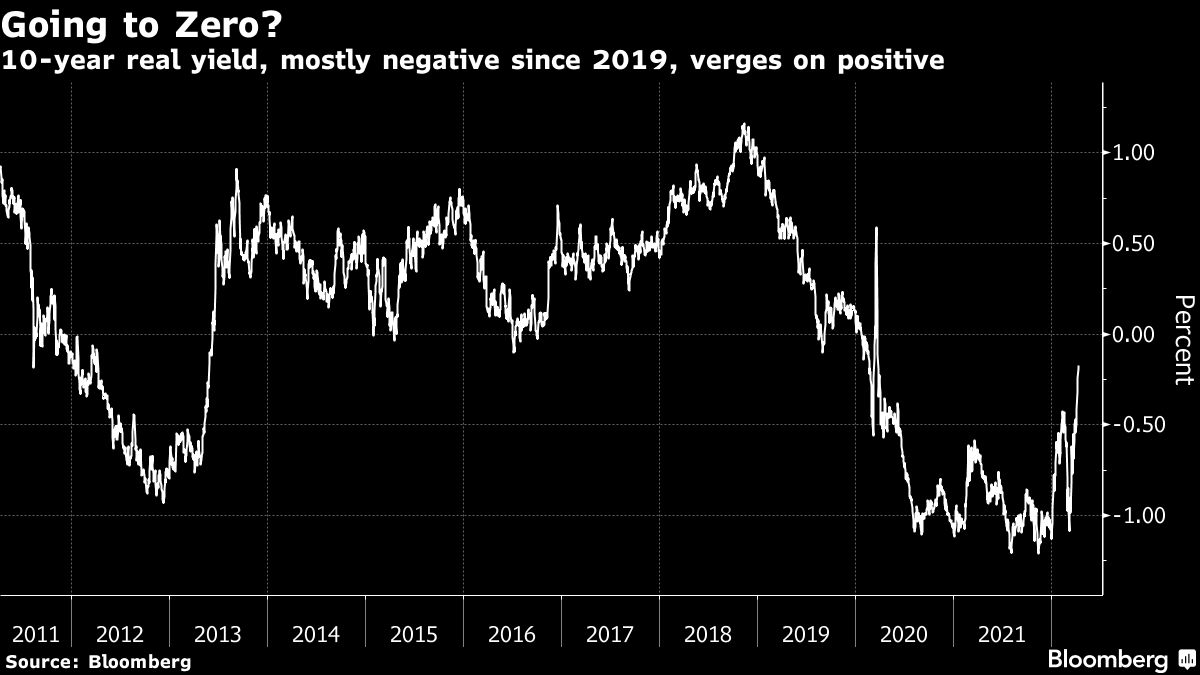
While all Treasury yields have climbed this year as the Fed began what’s expected to be an aggressive series of rate increases aimed throttling high inflation, in the past two weeks the baton has been passed to inflation-protected notes and bonds. Their yields are termed “real” because they represent the rates investors will accept as long as they are paired with extra payments to offset inflation.
The search for havens from the worst inflation in four decades feels like it’s about to get a lot more real. The bad news is that the task isn’t looking at all easy or straightforward, at least for individual investors whose choices are confined to the standard asset classes and who rely on a traditional 60-40 portfolio mix of equities and bonds to weather the ups and downs of market cycles.
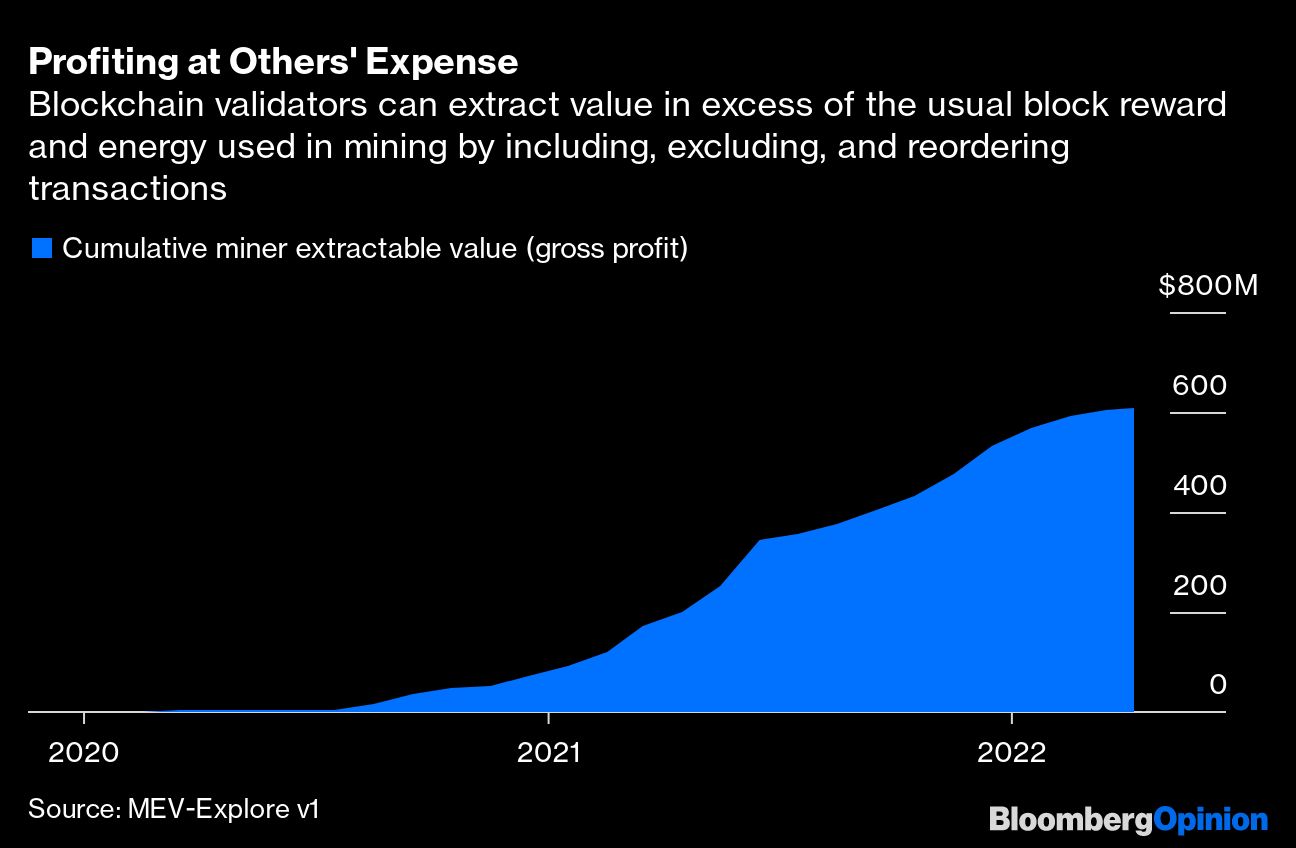
Much of what passes as DeFi today is just “decentralization theater,” as Fabian Schar, a University of Basel professor of blockchain, describes it. In theory, this hot new crypto corner wasn’t envisioned to be controlled by big-bulge intermediaries. The self-executing computer code deciding how digital assets would be lent or invested was supposed to be impervious to manipulation.
Federal student loan borrowers have been granted another reprieve, but for those who can afford it, the most prudent thing to do is to just fork over the money. Almost everyone has been taking advantage of the moratorium, which allows borrowers to press the pause button on payments without any interest accruing. Just 500,000 borrowers out of 43 million, or 1.1%, were still making payments a year after the freeze was initiated in March 2020 as part of pandemic relief efforts.