This article explores the benefit of the optimal allocations to RILA crediting strategies using expected returns and a model that accounts for the unique (non-normal) return distributions of RILAs.
While investing strategies should be consistent, changes in markets and the economy make some advice more relevant than it was in the past. Here are the top 10 things I’m telling clients.
Sentiment among US homebuilders climbed to an eight-month high in March as a limited number of existing homes for sale and mortgage rates that are down from their peak spurred demand.
Gold prices have done well around Fed easing cycles. In addition, inflation concerns and high interest rates make the year-ahead gold return forecast attractive.
For the first time in quite a while, there is an alignment between what the Federal Reserve is signaling about its interest-rate setting this year and what the markets think will happen.
Snap up more Japanese stocks, ratchet up shorts on government debt and keep buying the yen: these are some of the most popular calls from big-name money managers ahead of a central bank meeting that may end the world’s last experiment with negative interest rates.
Markets are showing characteristics of a bubble in the record-setting surge by tech’s so-called Magnificent Seven stocks and the all-time highs in cryptocurrencies, according to Bank of America Corp. Chief Investment Strategist Michael Hartnett.
If a bubble is forming in US stocks, it has plenty of room to expand before it bursts, according to strategists at Societe Generale SA.
Real estate prices have bottomed and there’s a great opportunity to move fast and buy assets at beaten-down prices, according to Blackstone Inc. President Jon Gray.
Japan is back, China is over. Only a few years ago, such an assertion would have been dismissed out of hand. The latter was on the road to economic dominance and the former languished, characterized by endless stimulus that produced little tangible benefit, and doomed by a shrinking population.
All durable bull markets need bouts of positivity to keep them moving higher, and the next month is shaping up to be a good-news desert.
Fresh data on inflation and unemployment filings gave Federal Reserve officials more reasons to hold off on cutting interest rates, even as retail sales suggested a slowdown in consumer spending.
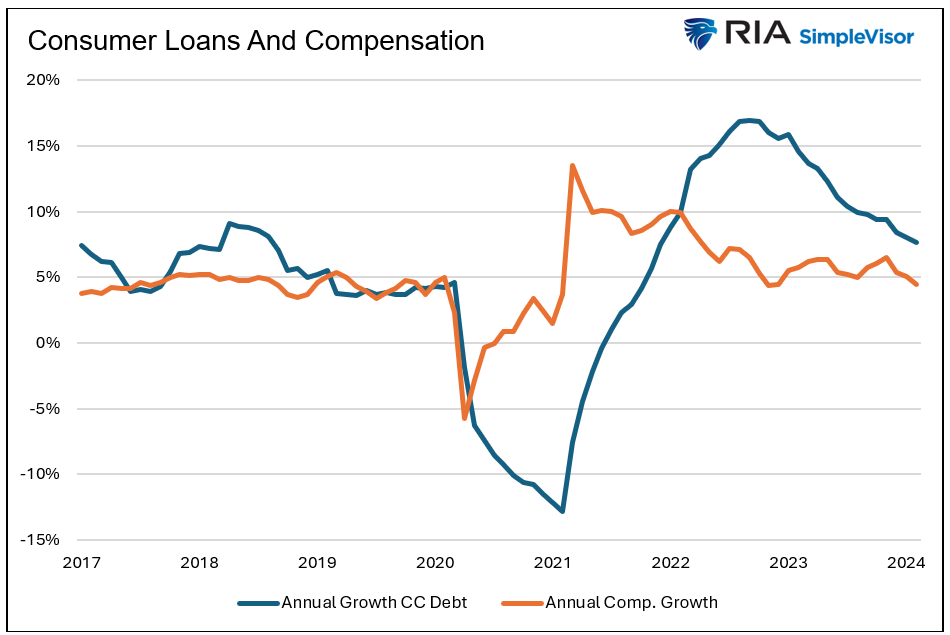
After years of managing household budgets through the stress of the worst inflation in a generation, US families are increasingly pressured by a different kind of financial squeeze: The cost of carrying debt.
Bitcoin extended a retreat from its latest record high amid an intensifying debate about whether the bull run in cryptocurrencies is evidence of speculative froth in global markets.
Gold has definitively broken out of the range it's been stuck in since the start of this decade, reaching a record $2,195 per troy ounce this month.
Just as private credit is becoming an asset class of its own and private equity houses are finding a new revenue stream away from their bread-and-butter buyout businesses, this burgeoning part of leveraged finance is losing steam.
How bad is 2024 going so far for Tesla Inc.? Well, its stock is down more than Boeing Co., making it the worst performer in the S&P 500 Index.
US retail sales rose by less than forecast after a steep drop to start the year, underscoring concerns about the durability of consumer spending.
Nvidia Corp.’s annual artificial intelligence conference is just days away and expectations are high for the semiconductor maker to deliver news that will sustain the blistering rally in its stock.
After dialing back their expectations for 2024 Federal Reserve interest-rate cuts substantially since the start of the year, bond traders on Wednesday will take their next cue when policymakers release their own updated projections for their benchmark.
The top-line purchase price for the sale of an RIA often garners the most attention. But this figure can be misleading and does not tell the whole story or reveal whether the deal is favorable for the seller or buyer.
We are in a “fourth turning,” according to Jeffrey Gundlach, where institutions will be challenged, and profound structural changes will unfold.
Using time in all the best ways possible should be a lifelong goal and something you want to encourage your clients to think about too.
There’s a lot of discussion about why prospects hire you, why they don’t follow your advice, and the value you add. Much of this discussion isn’t based on research, which is curious because there are studies on each subject.
Google’s investors are entitled to be furious about the stunningly incompetent rollout of the company’s Gemini artificial intelligence system. For everybody else, including this grateful Google user and committed technology optimist, it was a blessing.
The labor market is the most important leading indicator of consumption, and of the ability of the bougie broke to continue to be bougie instead of flat-out broke!
With interest-rate cuts off the table for now, the US Federal Reserve will focus on a different topic at next week’s policy-making meeting: when and how to slow quantitative tightening, the process of reducing the vast securities portfolio amassed in previous efforts to support economic activity.
Among the many too-good-to-be-true financial stories is the Alpha Architect 1-3 Month Box ETF, known by its ticker BOXX, that offers Treasury bill yields taxed at capital gains rates.
Less than a year ago, investors were gaming out what would happen when billions of dollars of bonds reached maturity dates, leaving borrowers potentially crushed by costly refinancings. Now, those fears are fizzling away, with companies rushing to sell debt to a buoyant market.
As Federal Reserve officials prepare for an in-depth conversation about its balance sheet at next week’s meeting, Wall Street strategists can only agree that all of the plans being discussed by the central bank carry some growing risks.
A long awaited batch of spot Bitcoin exchange-traded funds is already influencing the way crypto markets function, just two months after they launched in the US on Jan. 11.
It’s time to question and challenge the notion of the “discovery” meeting.
Understanding what structured notes are, how they are used, and what types of investors might consider them is key to determining if they are a good investment for an individual’s situation.
With such high reported rates of client satisfaction and loyalty, why do only a few advisors experience the benefits of client-driven referrals? In part, it’s because the profession relies on the wrong metrics.
Let’s look at a few approaches to leadership that will be better suited to the current moment than the more traditional styles.
Research shows that client portal technology has a pronounced impact on advisor-client relationships.
Going against type, some Canadians are being very negative. A chorus of doomsayers is pointing out that by some measures, Canadian per-capita GDP is in decline.
Slowly but surely the interest-rate jigsaw puzzle is falling into place. Get ready for the much anticipated shift lower in the global monetary policy cycle by mid-year.
The fervor for all things AI has finally spread to a sector whose own heady start-up phase came about 160 years ago: Pipelines.
Bank of America Corp. sees little evidence to support the worriers on Wall Street who say the stock market has risen too far, too fast and is approaching bubble territory.
Artificial intelligence bulls are increasingly gravitating toward an ETF that amps up bets on Nvidia Corp. as trading volumes and inflows hit all-time highs.
Underlying US inflation topped forecasts for a second month in February as prices jumped for used cars, air travel and clothes, reinforcing the Federal Reserve’s cautious approach to cutting interest rates.
Bond traders have plenty on their plates the next couple days, even after they absorb a crucial US inflation reading that stands to shape expectations for Federal Reserve policy for months to come.
People like to compare price run-ups of tech stocks to what happened to Enron. The implication is that, since Enron failed, these companies will as well. But this argument does not work.
Though we are still grappling with the post-pandemic shock, throughout last year pundits underestimated the durability of the American consumer.
The more strongly people buy into the rhetoric of their political parties, the more difficult it is to be pragmatic about their investments.
Learn to avoid the most common and damaging errors by considering these five key questions before you hit “enter.”
Good managers are drowning the superior performance potential of their best ideas in a sea of bad ones.
There’s a new law of the land taking root in Silicon Valley: the more technology makes us laypeople replaceable, the more the technocrats building it are considered indispensable.
There has been a lot of theorizing about why so many Americans feel worse off economically. True, real wages are now finally increasing, the labor market is great, the stock market is up, and consumers are spending.