Digital assets have the products. They have access to vehicles such as ETFs, separately managed accounts, and direct custody. What they still lack is the foundational layer underneath those products: the agreed-upon definitions of what the market is, how its components are classified, and how performance is measured.
Wealth management firms are aware of the looming retirement wave and have put real effort into mitigating it through recruiting, training, succession planning, and technology to modernize the advisor workflow. But what’s truly at risk of being lost is the judgment that senior advisors have accumulated over decades
Government bonds are back in focus, as investors reassess where value lies in global fixed income. With markets wavering over how quickly interest rates will fall, sovereign debt in several developed economies is starting to look attractive again to us.
Strong economic momentum is a double-edged sword for US equity traders. Solid growth is an earnings tailwind. But let it run too hot, and it turns from blessing to curse.
Charles Schwab Corp. reported earnings that topped estimates as retail investors continued to jump in and out of the market amid volatility sparked by geopolitical uncertainty.
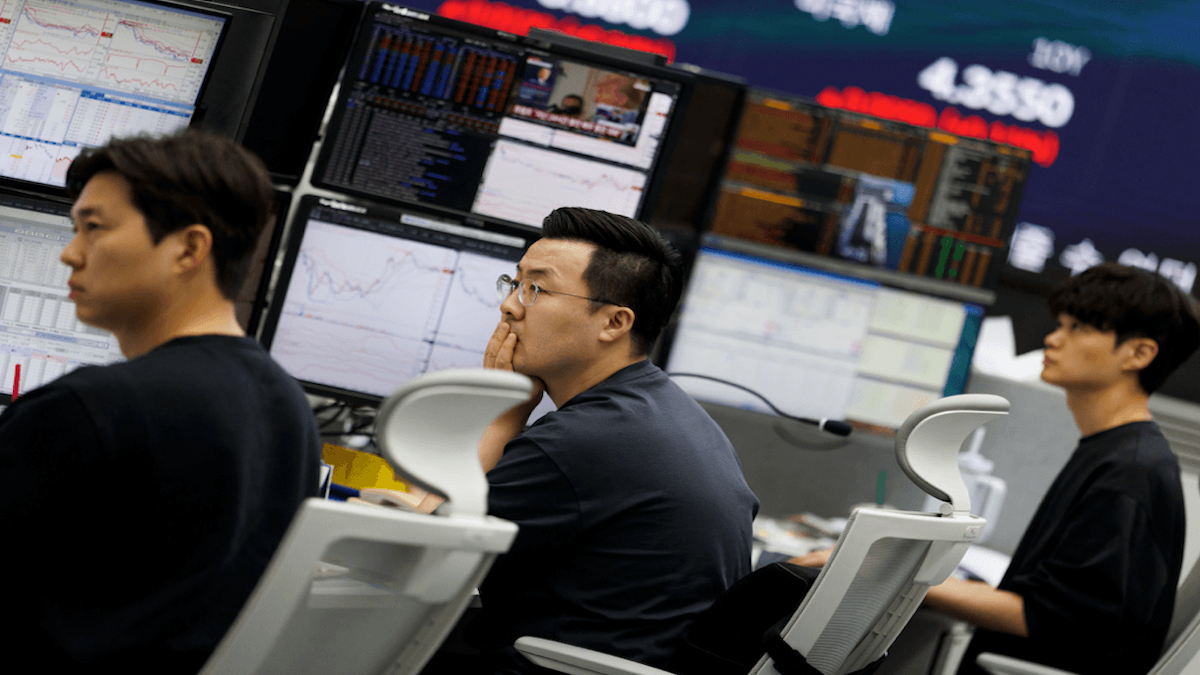
Investors poured billions into BlackRock’s exchange-traded fund tracking South Korean stocks, underscoring strong appetite for artificial intelligence companies even as wild swings continue to roil local equities.
The biotechnology sector is stealing the US IPO market thunder from artificial intelligence-related listings, delivering standout returns as bankers line up a steady stream of summer debuts.
Gold and silver rose on dip-buying, as traders monitored Middle East tensions for signs that higher energy costs could stoke inflation, putting pressure on the Federal Reserve to tighten policy.
Trading volumes on prediction markets are expected to hit $1 trillion by 2030. Overconfident traders think they are beating the crowd. Herders join it without thinking. Neither approach is likely to be a consistent winner.
Today, the mission of the CFP Board of Standards, a 501(c )(6) nonprofit organization, is to credential competent and ethical financial planners, uphold CFP® certification as the recognized standard, and advance the financial planning profession. The mission is no longer to benefit the public. Selling out the public dooms financial planning as a profession. That’s horrible for the vast majority of certificants that want to be held to a higher standard.
There are several market headwinds that warrant attention, as well as a tailwind that may be large enough to keep the boat moving forward. Fully understanding the headwinds and tailwinds will help you better monitor the market barometer, allowing you to assess and adjust risk levels with more awareness going forward.
In private markets, manager selection matters significantly more than asset class allocation. The spread between a top-quartile private equity fund and a bottom-quartile one can exceed 20 percentage points annually. In venture capital, the gap is even wider. This is why manager selection is crucial for advisors.
A holistic approach to retirement planning involves careful thinking and conversation around investment strategy, tax efficiency, income needs, and estate planning. The goal, of course, is to minimize the drag of taxation on lifetime earnings and wealth accumulation while maintaining both compliance and attention to the client’s priorities and values.
After last week’s wipeout in chips and the broader selloff in technology stocks, pressure is building for the biggest spenders on artificial intelligence to justify their expenditures to beleaguered traders with increasingly itchy fingers hovering over their sell buttons.
Andy Burnham pledged a “new economic model” for the UK as he sought to reassure Britons that his ascension as their seventh prime minister in little over a decade would bring an end to the country’s political instability.
Bond traders and Federal Reserve Chairman Kevin Warsh are in agreement on a crucial point: The central bank’s fight against inflation still seems far from over.
Whether you admire him or cringe at the mention of his name, US President Donald Trump has long had a penchant for putting his name on things. Once it was condos, steaks and Bibles.
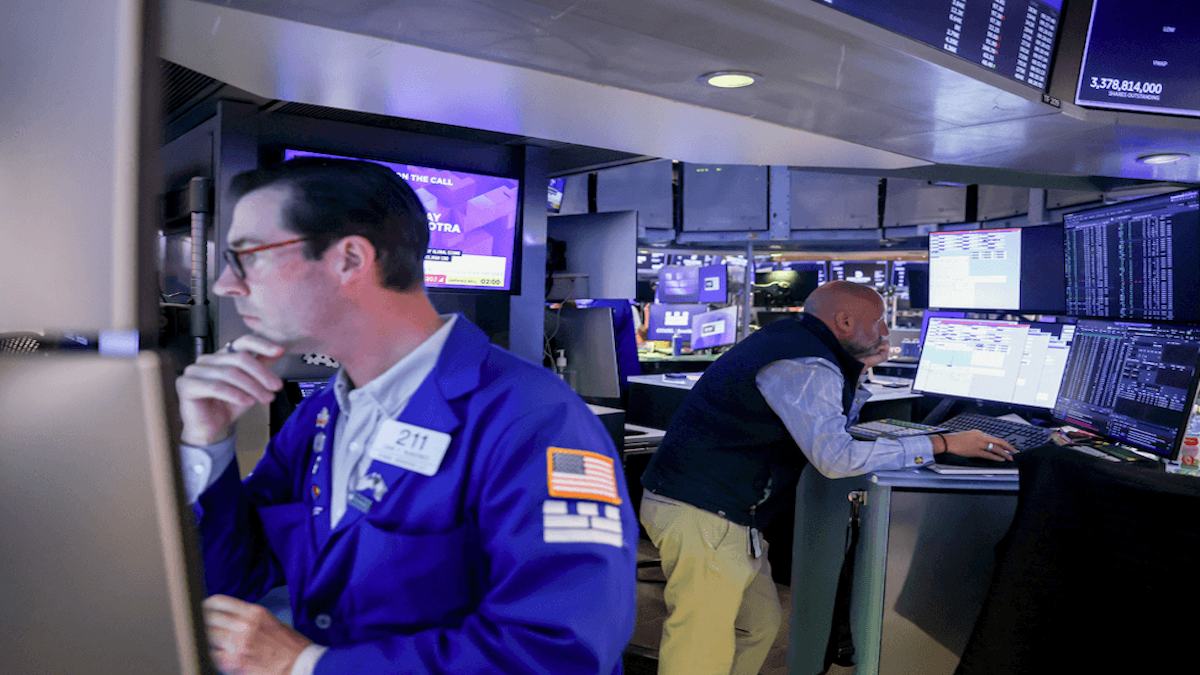
US stocks advanced on Monday, paring last week’s slump, as chipmakers rebounded amid a deluge of earnings reports that will test whether Big Tech’s profits can match high expectations.
A growing number of corporate leaders, buckling under the stress and uncertainty of the AI age, are looking for a very human solution: A chief of staff.
A record inflow hit the largest US-listed South Korea exchange-traded fund, as investors seeking exposure to SK Hynix Inc. piled into the ETF as a proxy at a time when the chipmaker’s new American depositary receipts trade at a substantial premium to its local shares.
President Xi Jinping used the rise of China’s AI models to stake his claim on shaping the technology’s global rules, even as their growing power stirs security concerns in Washington and Beijing alike.
Apple Inc. is again the biggest company in the world after wresting the title from Nvidia Corp., which has held it since May 2025.
The bonds sold by hyperscalers to fuel their artificial intelligence ambitions have become a drag on investor portfolios from London to Tokyo.
Housing starts in the US surged in June after a sharp drop a month earlier, driven by a rebound in apartment construction.
Investors love an oligopoly. Imagine an industry dominated by a few large, long-standing players. They can earn outsized profits in boom times and avoid crashes thanks to rational capital spending. The existential questions, though, are whether these firms might turn on each other, and is the industry’s entry barrier high enough.
As prediction markets draw record trading around events like the World Cup, Jump Trading Group is betting the once-niche contracts are becoming a lasting corner of Wall Street.
David Solomon, decked out in full academic garb, bobbed his head happily and wagged his index finger to the beat of his own AI-generated music.
Netflix Inc. has been one of the worst stocks in the market over the past 12 months as concerns about the video-streaming giant’s plans and prospects refuse to go away. Now, investors worry that its earnings report after the close will confirm those fears.
Hoisington Investment Management Co., the bond manager known for its bullish stance on US Treasuries going back more than 30 years, has turned bearish.
Is it a bubble or isn’t it? That’s what everyone seems to be asking about the US stock market. I say it isn’t. A bubble to me is when price becomes disconnected from any rational, articulable value, the way people chased opaque schemes in the Roaring 1920s or the blind faith in new internet companies in the 1990s.
Captain Ahab never caught Moby Dick, but Morgan Stanley shows how tracking billionaire tech whales like Elon Musk can eventually land a fortune. Not long ago, the bank appeared to have shot itself in the foot as lead lender on the disastrous $44 billion buyout of social media platform Twitter, now known as X.
Eli Lilly & Co. agreed to buy AtaiBeckley Inc. for as much as $3.8 billion, underscoring growing interest from large drugmakers in the once-fringe area of psychedelic medicine.
The universe of alternative investments is only growing. As advisors increasingly look for opportunities to diversify their client portfolios. But independent advisors who have purposefully built their businesses on doing what is best for their clients deserve to have partners who are doing the same.
The labor gap is creating pressure on firms to do more with their existing teams, and AI is giving those teams the tools to actually do it. Here is how firms achieve double-digit growth using AI, even while navigating a workforce transformation they cannot fully control.
incoln National Corp. is in advanced talks with Talcott Financial Group for a reinsurance deal that would shift billions of dollars of life insurance reserves off its balance sheet, according to people familiar with the deliberations.
For this week’s column, in the wake of the holiday celebrating our country’s independence, I’ll share some independent thinking for advisors to implement, whether it be with their teams, in their practice or with their clients. I’ll keep it brief in the hopes you will find one or two things that resonate.
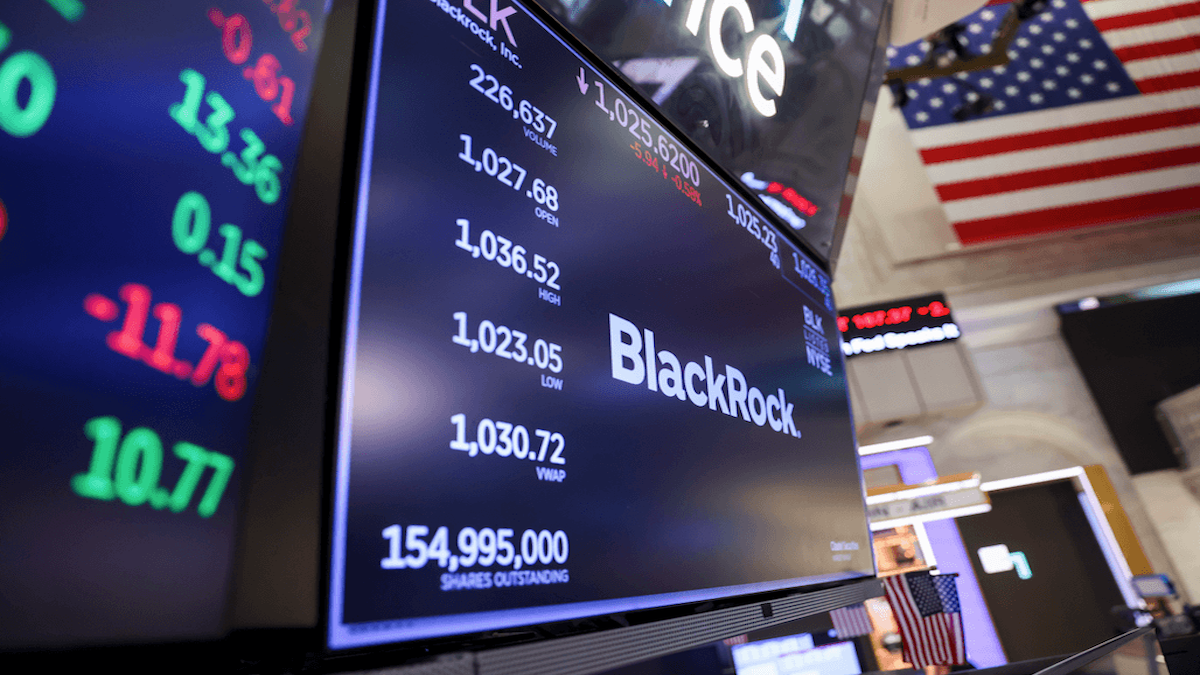
BlackRock Inc. pulled in $192 billion of net client cash in the second quarter, with investors pouring money into exchange-traded funds and pushing total assets above $15 trillion for the first time.
In the span of just two weeks, Meta Platforms Inc. has gone from a market afterthought to one of its hottest stocks, as investors finally like what Facebook’s parent is saying about its artificial intelligence plans.
Artificial intelligence is reshaping every business, including ours. But the hardest challenge is not adopting it. It is rewiring your company around it. How corporate leaders respond to that test will determine whether AI shrinks their ambition or raises it.
The median house price in Nantucket, Massachusetts, is nearly $4 million. It was just $500,000 in 1995. This sounds like a stunning increase in one of the hottest and least accessible real estate markets in the country.
Advances in data aggregation, secondary market pricing, and index construction are delivering institutional‑grade insights to a wider audience. Improving access to data and technology helps to build a more transparent bridge that supports confident participation in the growing private markets ecosystem.
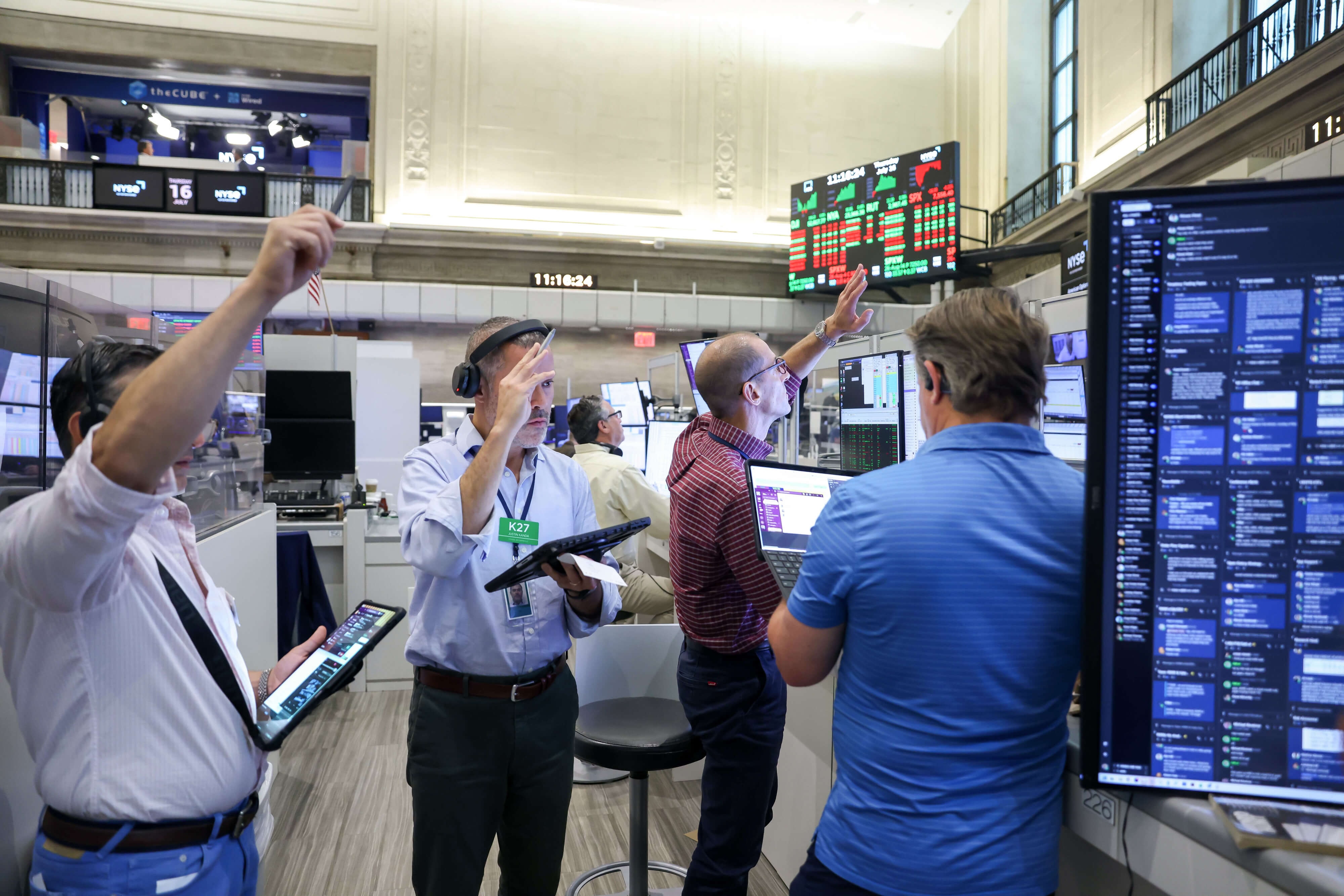
Goldman Sachs Group Inc. trounced its own Wall Street stock-trading records, posting $7.42 billion for a quarter that saw indexes rip higher and ongoing market volatility around artificial intelligence and war in the Middle East.
To close the visibility gap, analysis must begin with the “borrower model,” not the fund. Once you know the types of businesses in a portfolio, their industry, revenue band, and geography, you can evaluate them against a statistically robust universe of similarly situated companies.
The US Bureau of Labor Statistics said Tuesday that the Consumer Price Index fell 0.4% in June, bringing the inflation rate over the past 12 months down to 3.5%. That’s good but not good enough. Inflation is still too high.
Over the next 20 years, the industry’s great wealth transfer is expected to put more than $84 trillion in the hands of new family members and other beneficiaries as Baby Boomers increasingly enter their 80s. This large migration of assets could also signal a great client exodus for advisors, if they aren’t able to connect with the new stewards of this wealth.
A client called me last week wanting to know how to claim a $7,500 tax refund he thought he’d missed. His question was based on an email sent in early July to Social Security recipients from Frank J. Bisignano, commissioner of the Social Security Administration.
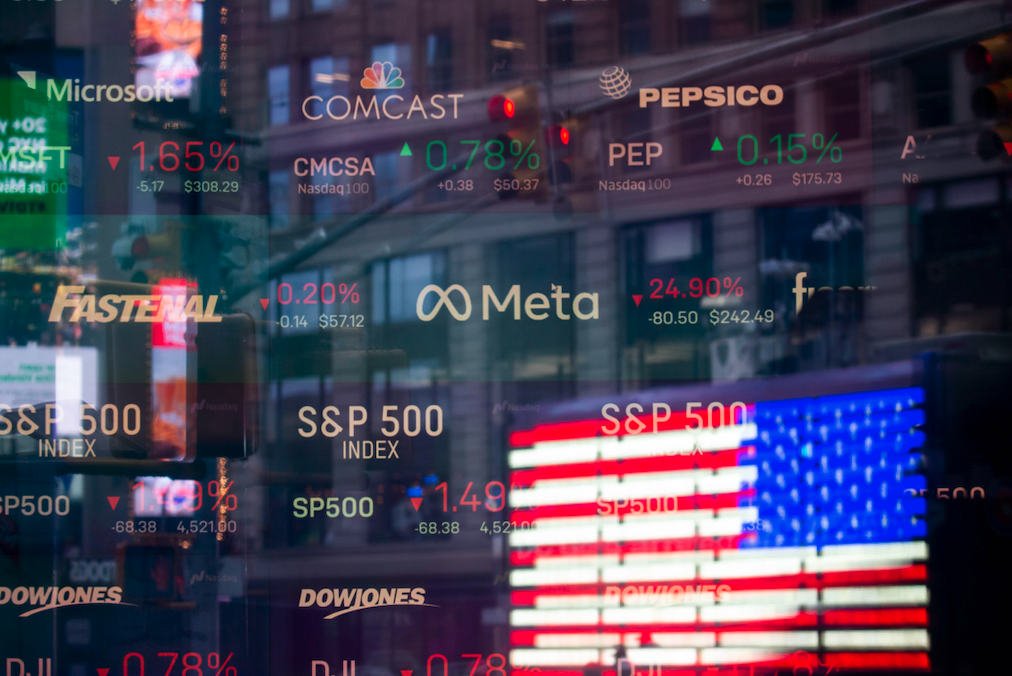
US stocks rose on Tuesday as investors parsed latest inflation data and Federal Reserve Chairman Kevin Warsh’s remarks.
Shares of software and IT services companies plunged Tuesday after International Business Machines Corp. reported preliminary results that missed analyst expectations, reigniting questions about the sector.
What’s good for the US dollar isn’t always good for US bonds — but investors are finding ways to work around it.
What the heck is going on at Stanford? Theo Baker’s How to Rule the World explains. The book answers the question by centering on Baker’s pursuit at The Stanford Daily of the MTL-associated scientific frauds. And an astonishing journey it is.