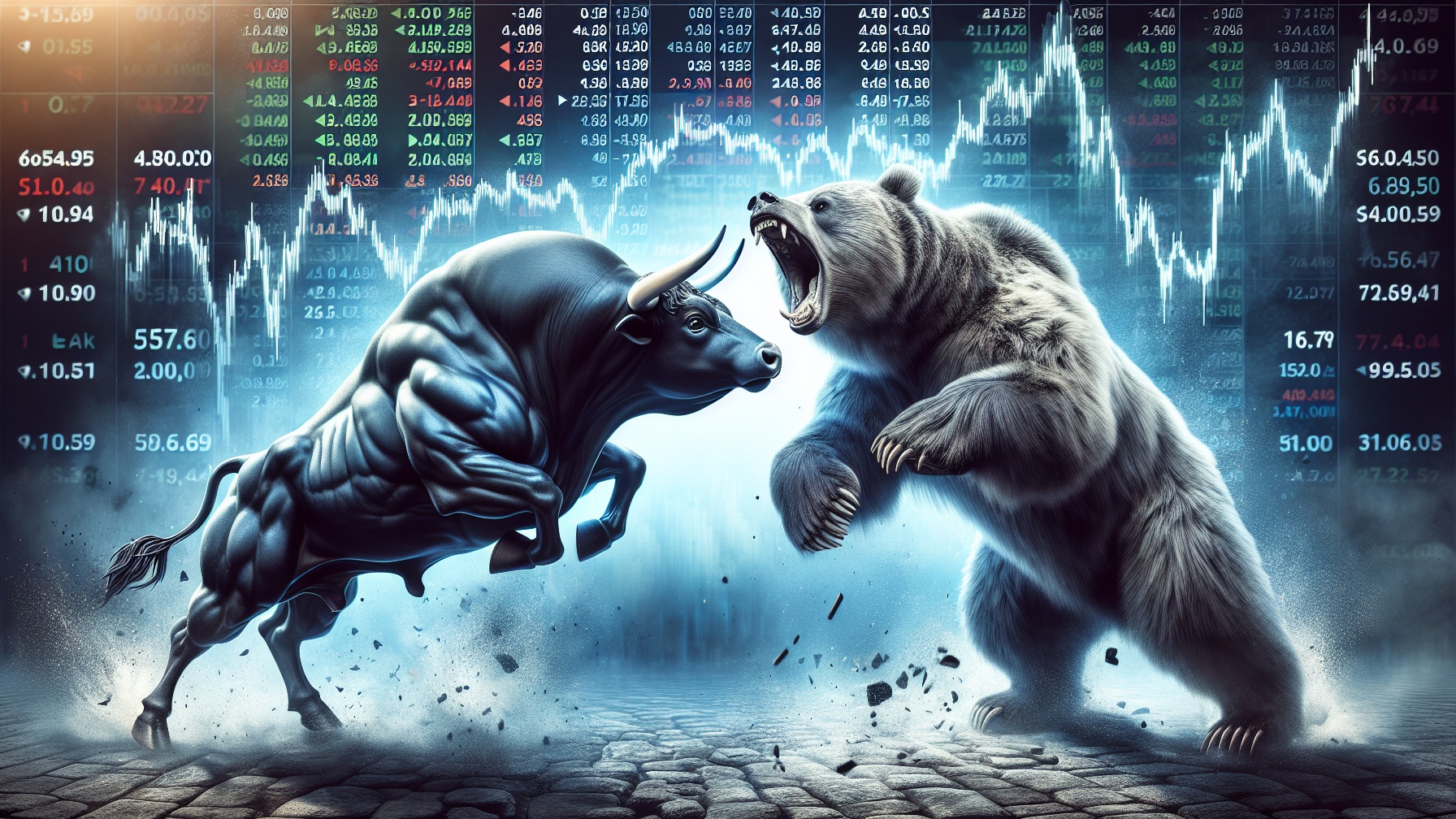
Over the past two weeks, the market has had a furious nine-day rally, the longest winning streak in 21 years.
Despite negative GDP growth in Q1 and global trade tensions, markets are showing surprising resilience. Investors are betting tariffs will not bite as hard as feared earlier in April and that deals will emerge to soften the blow.
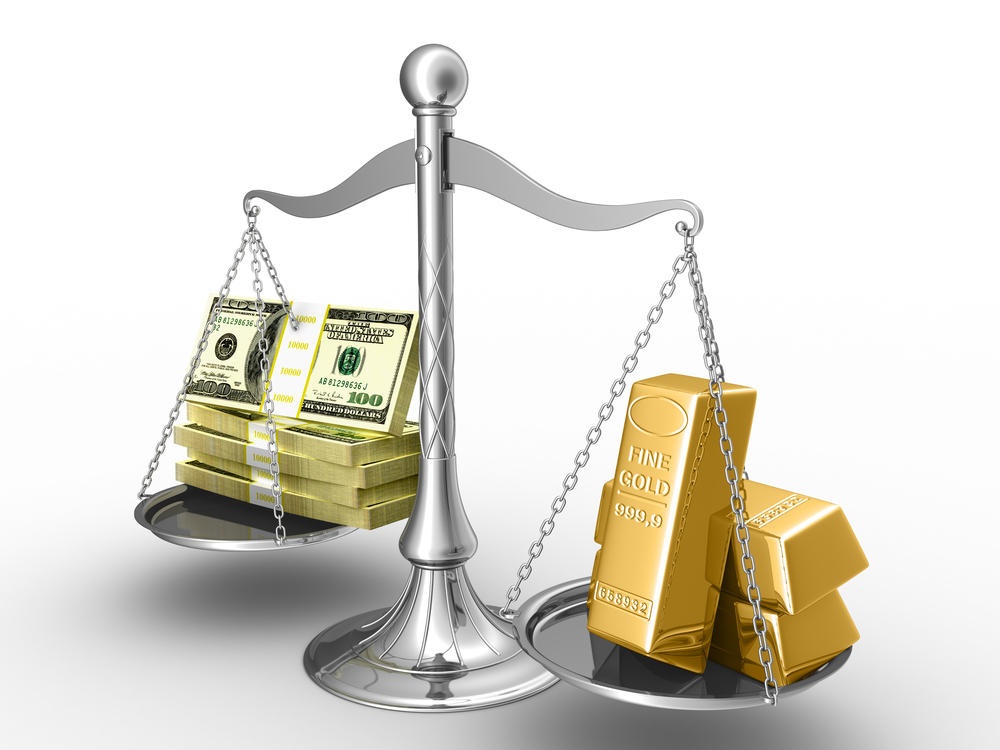
Most economists and portfolio managers are cautious when discussing gold. Its handling and transaction costs are high, and it pays no interest or dividends.
So what has caused such a surge in international returns versus the U.S. so far this year? Is it just short-term noise, reversion to the mean, or something more systematic? If the last few months were purely short-term noise, we will soon know, as U.S. stocks will resume dominance.
Roughly a month on from Liberation Day one thing is clear: While actual tariff numbers may not be set, markets have certainly been liberated from complacency. S
Record gold prices drove first-quarter demand in 2025 to the highest level since 2016.
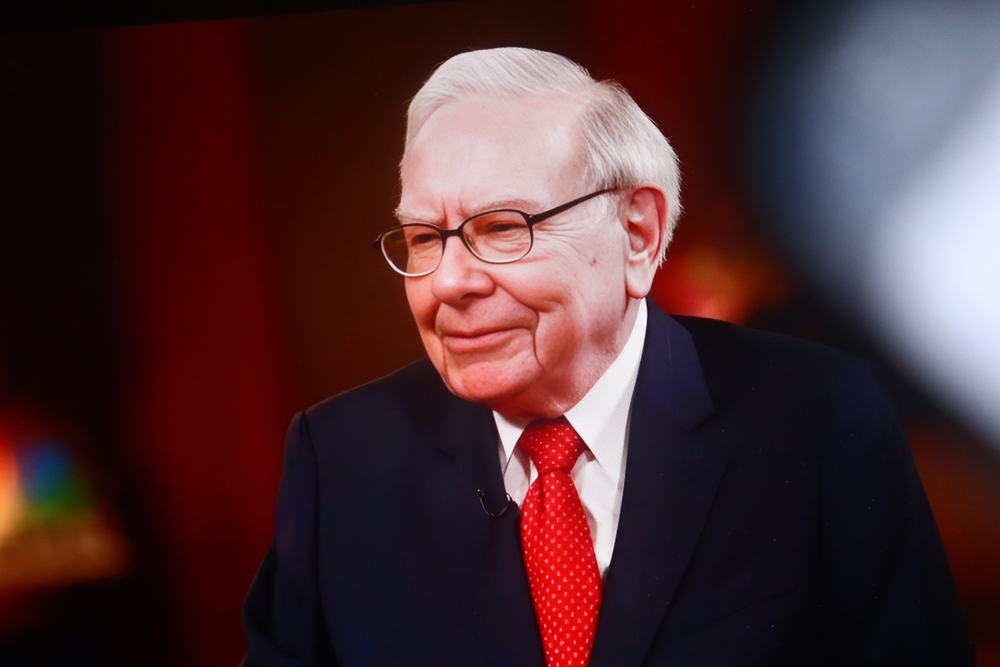
Warren Buffett, the greatest investor of all time, will step down as chief executive officer of Berkshire Hathaway Inc. at the end of the year. The six-decade track record he leaves behind is so astonishing that mere numbers on a page don’t do it justice.
Vanguard’s David Sharp marks the firm’s 50th anniversary, explores recent investor behavior, and highlights several new fixed income ETFs. VettaFi’s Stacey Morris analyzes the rollercoaster year for energy ETFs.
Join the experts at Alger for a product spotlight on their new innovation ETF, INVN, which tracks the Alger Russell Innovation Index.
Like an iceberg, what looks like a clear and present issue only appears that way from the surface. Navigating solely from what you can see on the surface puts you in danger of missing the deeper emotional issues and impacts that lie below.
With investors experiencing heightened anxiety about their financial futures, your approach can make the difference between client retention and attrition. This comprehensive guide from our senior consultants explores actionable strategies for effective client communication during market volatility.
This article focuses on asset-based fees that cover both advice and investment-related costs, which is a model that I believe is best-suited for most individuals, as advisors can add value across multiple dimensions.
We all respond differently to financial uncertainty. Some lean into hyper-vigilance—tightening budgets, tracking every headline. Others shut down, turning toward distraction. Still others press on as if nothing has changed.
For investors looking to add bonds, muni bonds remain an attractive option for an ideal blend of yield and stability.
Morningstar Inc. has been rating stock and bond funds for everyday investors for years. Now it will award gold, silver and bronze medals to less-liquid private asset funds marketed to the masses.
I confess that when the VIX, the Cboe Volatility Index, spikes, I brace for stock market declines. Judging by investors’ anxious reaction to the VIX’s surge following President Donald Trump’s big tariff announcement last month, I’m far from alone.
A look back at the impacts of tariff announcements last quarter, and what we might expect from tariff negotiations during the 90-day implementation delay in Q2.
After months of public pressure, OpenAI walked back part of its effort to create a more conventional for-profit company, but its restructuring plans still have not received the blessing of a major stakeholder: Microsoft Corp.
In recent times, central bank independence has been taken as gospel. Political pressure for easy money contributed to extremes of inflation in the 1970s.
The uncertainty around US tariff policy has significantly increased US equity volatility.
Markets clawed back early losses in April, but one thing has become clear – policy uncertainty and risk isn’t fading, it’s spreading.
One of the advantages of individual bonds is the ability to custom-select bonds that fit individual needs and/or goals
Results from some of the Magnificent 7 names last week reignited the AI trade. Both Meta and Microsoft reported after-the-bell on Wednesday, blowing past analyst estimates
Now that Warren Buffett, the philosopher king of modern investing, has announced that he will step down as Berkshire Hathaway Inc.’s chief executive officer at the end of the year, it’s a good time to marvel again at his career.
A key valuation metric touted by legendary investor Warren Buffett is signaling that equities are relatively cheap, bolstering the case that the sizzling rebound in US stocks has room to run.
You’ve built your book. Refined your process. You know how to serve clients and grow your business. But what if your current firm is acting like an outdated piece of equipment? One that doesn’t match how you actually operate? One that limits what’s possible?
If you’ve been inside a Walmart, Target or Home Depot in the past week, you may not realize that a trade war is underway between the U.S. and China, the world’s two largest economies. Store shelves are well stocked, and prices have largely held steady.
In this video, Chuck Carnevale, Co-Founder of FAST Graphs, aka Mr. Valuation, compares three best payment processors: Visa (V), MasterCard (MA), and Global Payments (GPN). All three share similar characteristics, such as strong earnings growth and consistency, but exhibit significant valuation differences.
This week marks the first 100 days of President Trump’s second term in office—and what a rollercoaster it has been for the financial markets! While presidents often enjoy a ‘honeymoon period’ at the start of their tenure, Trump wasted no time ‘flooding the zone’ by pushing forward many of his key initiatives.
Noise about tariffs, business uncertainty, a constitutional fight, and a drop in stock prices had already created fear of a recession. When real GDP declined in the first quarter of 2025, some started to question if a recession is already here. Let’s take a deep breath and consider the facts.
US markets struggled in the first half of April due to tariff-related worries. The second half saw rallies amid policy reversal.
Warren Buffett is retiring, but his investment advice is likely to carry weight for years to come.
On this episode of the “ETF of the Week” podcast, VettaFi’s Head of Research, Todd Rosenbluth, discussed the PIMCO Multisector Bond Active ETF (PYLD) with Chuck Jaffe of Money Life. The pair discussed several topics related to the fund to give investors a deeper understanding of the ETF overall.
While tariff negotiations may well bear fruit eventually, investors today are trying to figure out the impact of changing trade pacts on GDP growth, interest rate levels, the value of the dollar, and the ability of the Treasury to refinance $9.2 trillion of our $36 trillion federal debt in 2025.
Shockingly, given that I thought most readers would find interest rate swaps dull or wonky, we have received a few emails asking for more information. Given the importance of liquidity to all markets and how interest rate swap spreads are a good liquidity barometer, it's worth giving you that “coming article” now.
Jim Tuchler, a Chicago-area retailer, and Federal Reserve Chair Jerome Powell have a lot in common these days.
Citigroup Inc. is ramping up lending to private equity and private credit groups, working to catch up with peers like JPMorgan Chase & Co. and Goldman Sachs Group Inc. after the bank spent years on the sidelines.
Warren Buffett is stepping down as chief executive officer of Berkshire Hathaway Inc., the company he built alongside his later partner Charlie Munger for the past six decades.
Ahead of this quarter’s crop of tech earnings, I predicted companies would be reluctant to offer much in the way of forward guidance given the almost Covid-like upheaval of the global economy thanks to President Donald Trump’s tariffs. I was half right: There was some guidance — though it arrived with a large asterisk.
Warren Buffett picked the final minute of his 60th shareholder meeting to drop a long-awaited announcement that was still completely surprising for his fans, most of his board and even his successor.
Understanding and integrating resilience into investment strategies is not just prudent, it is critical for navigating the complexities of the current market landscape. In this article, I lay out seven key principles towards building resilient portfolios.
In investing, success is often judged by numbers—returns on investment, percentage gains, and the ability to outperform benchmarks like the S&P 500. However, some investors frequently pursue a peculiar set of “awards” without realizing the pitfalls they embody.
Last week's economic data arrived against the backdrop of a buoyant stock market enjoying a nine-day winning streak — its longest since 2004.a
The GDP report for the first quarter of the year showed a very engaged business sector as it rushed to try to minimize, as much as possible, the future impact of higher tariffs.
While the S&P 500 index was almost unchanged in April, the dollar remained extremely weak, ending the month down over 4%.
April was a volatile and policy-sensitive month in the markets. Every week, my colleagues and I were joined by Professor Jeremy Siegel to discuss how macroeconomic data, Federal Reserve policy and the variety of tariff proposals from President Trump shaped sentiment and the investment landscape.
Inflation is caused by the growth of the money supply, and gold is a strong hedge because it rises alongside it.
Economic data can be soft or hard. “Soft” data reflects attitudes, expectations, opinions, and feelings. It’s a step removed from the “hard” data reflecting actual events. Soft data is still valuable because future expectations shape the hard data that follows.
For decades, U.S. Treasuries have been universally regarded as a benchmark and a safe haven asset during periods of turmoil.
At the end of April, U.S.-listed ETFs gathered approximately $360 billion of new money.