Stodgy equity mutual funds have been bleeding cash for years, losing out to cheaper and often better-performing alternatives.
Traders are snapping up risky assets of all stripes in the hope that falling US interest rates will add rocket fuel to an economy that’s so far been able to withstand the effects of Donald Trump’s trade war.
Crypto exchange Bullish hasn’t gone public yet, but that isn’t stopping an ETF issuer from trying to capitalize on the hype.
Sam Rines explains why it's time to find out what really drives returns in a shifting macro environment.
A surprise 39% tariff threat on Swiss gold imports sent shockwaves through the gold market. Gold prices remained relatively stable, but spreads exploded.
July U.S. ETFs saw gains in both flows and AUM as well as another elevated round of launches. In the tidal wave of funds coming to market, a few ETF strategies stand out for their innovation or for notable opportunities they provide.
Financial advice often focuses on boosting personal savings rates and maximizing return on investment during a worker’s accumulation years. Equally important, however, is the decumulation process, when people spend those savings in the form of income.
Chuck Carnevale, co-founder of FAST Graphs (“Mr. Valuation”), reviews six regional banks that are all Dividend Champions—companies that have raised their dividends for at least 25 consecutive years.
The meme stock movement is again dominated by speculative retail trading driven by online forums, social media hype, and short-term momentum.
The first full week of August offered a concise lesson in how quickly the policy calculus can shift when both politics and data align. Equity markets wobbled after reports that Governor Christopher Waller, not Kevin Warsh, is now the front runner for the next Fed chair.
Currently, spreads in most credit markets are at or close to historically tight levels, meaning that investors are locking in significantly lower levels of compensation than they have, on average, over the past several decades.
A cooler labor market was long in the making.
The US oil industry is often compared to being on a treadmill: you run fast just to stay still.
Hong Kong is confronted with two gravity-defying puzzles this year. Investors are asking why the city’s interest rates are so low, and yet the housing market is so bad.
A couple of caveats before exploring the potentially positive signals being thrown off by bitcoin miners. First, August is historically the worst month in terms of bitcoin performance. The largest digital currency has only notched three positive monthly showings in this month over its lifetime.
Rob Thummel, Managing Director and Senior Portfolio Manager at Tortoise Capital, joins the show to discuss the firm’s lineup of energy-focused ETFs, including the newly launched Tortoise AI Infrastructure ETF (TCAI). Stacey Morris, Head of Energy Research at VettaFi, shares insights on the key factors driving energy ETFs and provides her outlook on future trends in oil and natural gas prices.
Whether you are new to MLP investing or could use a refresher, this informative due diligence session will provide a helpful update on the energy infrastructure space and the potential portfolio benefits on offer. Join the experts from SS&C ALPS Advisors and VettaFi for this dynamic discussion.
Generation X, defined by those born between 1965 and 1980, is rapidly approaching retirement age. At the same time, a growing body of financial data reveals this is a generation at risk of falling short.
Now that we are six months into the second Trump administration, it is worth revisiting the economic philosophy that I refer to as “TrumpBessenomics.” The term captures the fusion of Donald Trump’s populist, growth-oriented agenda with the strategic and data-driven approach of Treasury Secretary Scott Bessent.
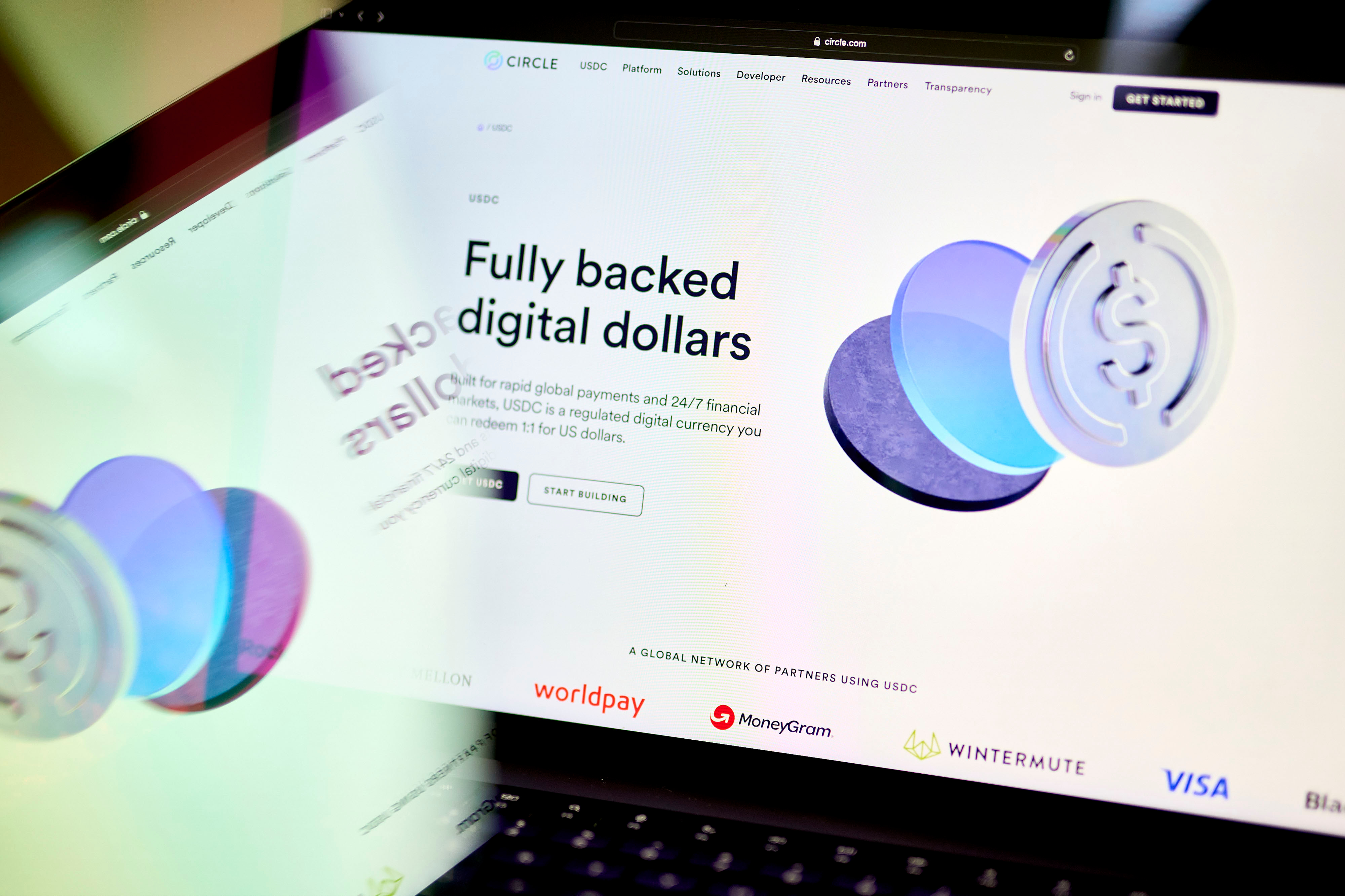
In a twist on Wall Street’s traditional market plumbing, some of the biggest names in finance used a crypto blockchain to trade US Treasuries for digital dollars — on a Saturday.
You’ve probably seen versions of these headlines this summer. They’re all designed to grab your attention by sounding the alarm, then close with a hand-wringing quote from someone who probably missed the last bull run.
US stocks rose on Tuesday after the latest consumer price index report stoked bets that the Federal Reserve is virtually certain to resume cutting interest rates next month.
Emerging-market stocks and currencies erased their early declines after a key US inflation report came in line with estimates, encouraging bets that the Federal Reserve will be able to start cutting interest rates next month.
Beijing has urged local companies to avoid using Nvidia Corp.’s H20 processors, particularly for government-related purposes, complicating the chipmaker’s attempts to recoup billions in lost China revenue after the Trump administration reversed an effective US ban on such sales.
While growth may slow in the near term, Europe's longer-term outlook appears to be improving.
A quarter of a century ago, when Microsoft Corp. used its dominance of the personal computer market to force people to use Internet Explorer, it famously led to a devastating antitrust lawsuit loss that some believe held the company back for more than a decade.
At the last meeting two weeks ago, Chairman Jerome Powell got the Federal Reserve to stand pat on interest rates, but not without a struggle.
The IPO floodgates have swung open for breakthrough AI and crypto companies ready to shake up the market
If investors are mining for opportunities, the Sprott Gold Miners ETF (SGDM) should be on their list. The ETF is up over 70% this year. That confirms the momentum for the yellow metal has yet to wane and the latent upside by miners could be in its early stages.
There are hints that at least a few within the federal government are toying with the idea of revaluing U.S. gold reserves.
Trade deals demonstrate that tariffs are here to stay.
The popularity of lab-grown diamonds is making me question the beauty of markets, which is their ability to place a value on pretty much anything.
The U.S. economy is slowing down but don't expect a hard landing.
Despite ongoing tariff uncertainties and hawkish post FOMC meeting commentary towards the end of the month, US equities extended their rally into July amid resilient Q2 earnings, progress on trade negotiations, and improving consumer sentiment.
During a season when investor activity is typically in its summer doldrums, these two industry exchange-traded funds (ETFs) were hotter than July — the iShares U.S. Home Construction ETF (ITB) and the SPDR S&P Global Natural Resources ETF (GNR).
On this episode of the ETF of the Week podcast, VettaFi’s Head of Research Todd Rosenbluth discussed the Technology Select Sector SPDR Premium Income Fund (XLKI) with Chuck Jaffe of Money Life. The pair discussed several topics related to the fund to give investors a deeper understanding of the ETF overall.
We hope you find this alternative perspective based on forward-looking excess expected return helpful (and stress reducing) as you consider putting money to work in stock markets today and in the future.
Investor behaviors and preferences during the dot-com boom/bust and the current environment are similar. It's too early to label the recent speculative activity as a boom on the same scale as the late 1990s.
The central theme of “Our Dollar, Your Problem” is the global dominance of the U.S. dollar and what might dethrone it in the future. Rogoff’s concern about U.S. government debt and its possible effect on the value of the dollar is warranted.
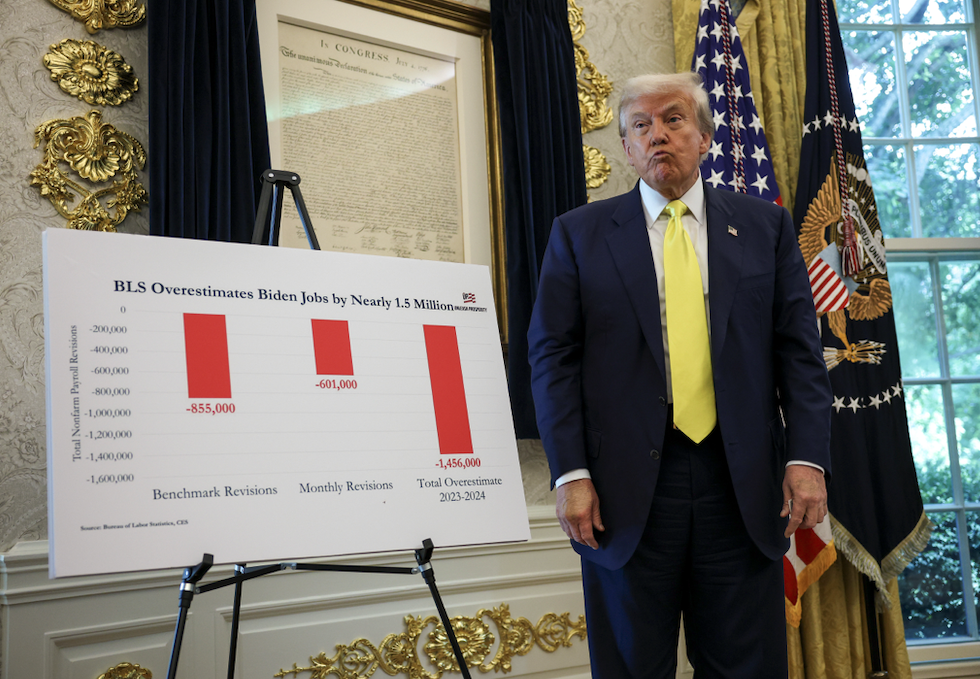
Almost everything we think we know about the economy comes from initially flawed data. Jobs data, inflation data, spending data, production data, all of it is imperfect. There is no certainty in this business. But that doesn’t make the data useless.
As the specter of stagflation ripples through equity markets, investors are zeroing in on the upcoming consumer inflation report to see how close the dire economic scenario is to becoming a reality.
I understand the concerns about rising debt levels. However, the problem of rising debt levels for the U.S. is NOT a default but a continued degradation of economic growth. Let’s start this discussion with a basic fact—without continued increases in debt, there would be very little to no economic growth.
Jack McIntyre’s US global bond fund, aided by a slumping dollar, is posting one of the best performances in its almost two decades of existence. His challenge is convincing investors that it’s more than just a flash in the pan.
Christopher Harvey, head of equity strategy for Wells Fargo Securities LLC, has left the firm.
The Fed has long been criticized for reacting too slowly to economic developments, an inevitable consequence of relying on lagging government data. Now the Fed and BLS are likely to face even more pressure to catch up.
When it comes to fakes and dupes, of everything from Lululemon Athletica Inc. leggings to Dior handbags, imitations are most threatening when the real thing isn’t delivering.
Nvidia Corp. and Advanced Micro Devices Inc. agreed to pay 15% of their revenues from Chinese AI chip sales to the US government in a deal to secure export licenses, an unusual arrangement that may unnerve both US companies and Beijing.
Instead of pitching solutions or trying to impress prospects, you approached them like a doctor. You would ask thoughtful questions, listen deeply, and help them understand their challenges.
2025 has been historically turbulent for the dollar, with declines of a magnitude last observed during the global financial crisis
Most economists, including us, were wrong about the ‘ensuing’ recession back in 2022 and 2023 as the US Federal Reserve (Fed) increased interest rates to fight higher inflation.