As always, I hope you’re having a good 2026 and that all is well with you, my readers, and your family and friends. Here’s my latest.
While Russ acknowledges that the ongoing conflict in the Middle East has contributed near-term volatility, he also notes that these rising tensions are occurring against the backdrop of a solid U.S. economy.
Geopolitical conflict is forcing the markets to think critically about critical minerals. More specifically, the importance of critical materials has shifted from industrial use to a vital component in national defense and energy security.
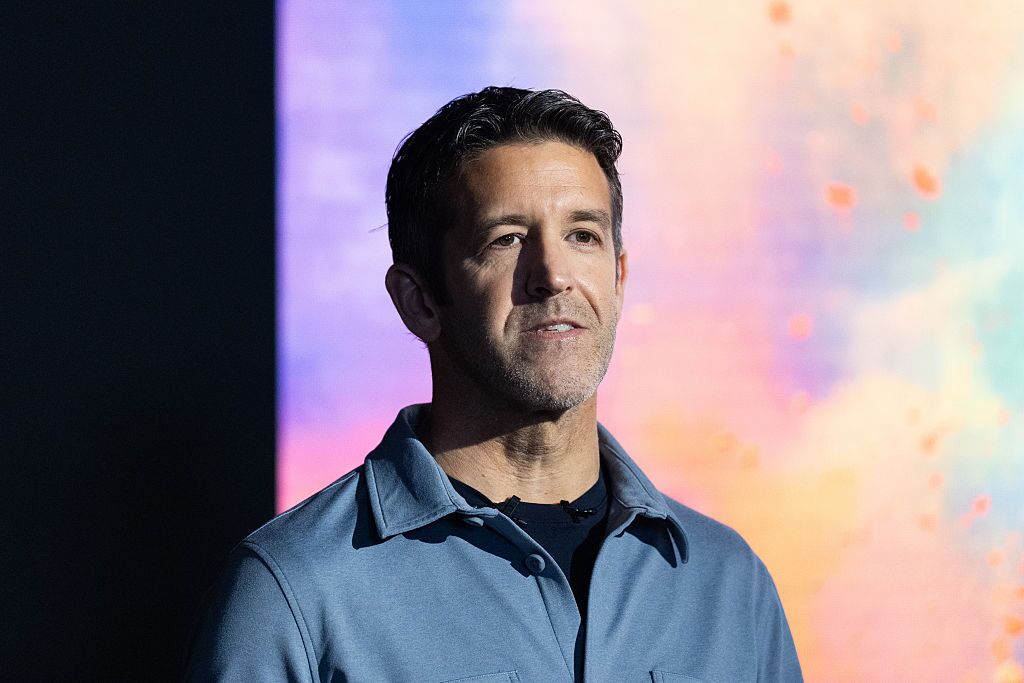
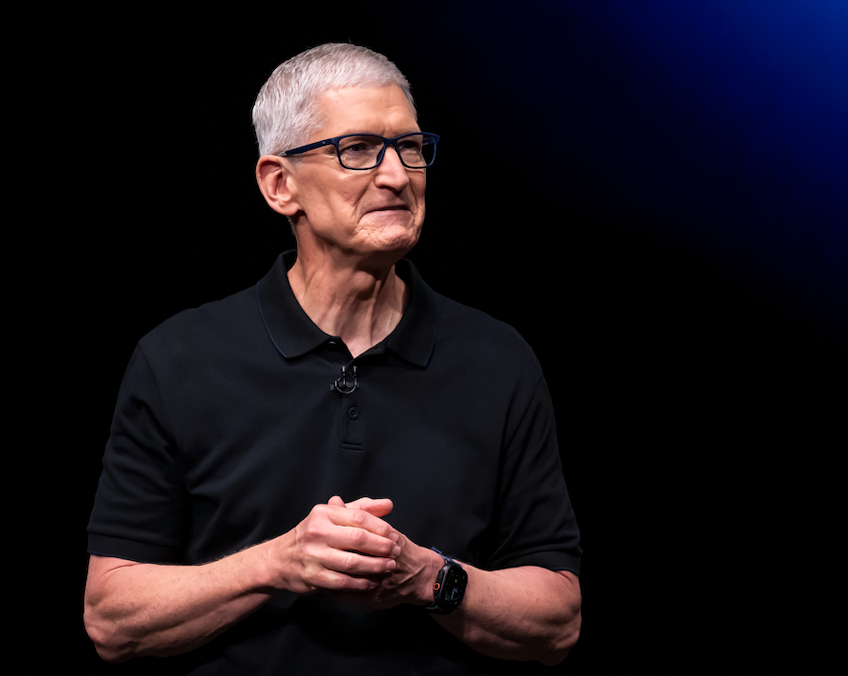
In announcing on Monday that John Ternus would be succeeding Tim Cook as chief executive officer of Apple Inc. this year, the company’s board made it clear: We’re a hardware company and we’re going with the hardware guy.
The long-term care confidence gap is the difference between understanding the importance of a risk and consistently addressing it with clients. Advisors know, but they do not always say. The gap isn’t about intelligence or professionalism; it’s about the difference between technical knowledge and conversational leadership.
In practice, referrals depend less on how clients feel and more on how clearly they can represent what the advisor does when it matters. That moment is usually fleeting.
Early in my financial planning career, if a client told me they had a terminal diagnosis, every alarm in my head would go off. Before the meeting was over, I would have a to-do list that was three pages long.
A recently passed law in Indiana now requires some state retirement plans to allow participants to invest in cryptocurrency, setting the stage for broader crypto adoption by public funds.
JPMorgan Chase & Co. is working toward getting approval from Chinese securities regulators to launch actively managed exchange-traded funds in the country for the first time.
The Pentagon’s largest-ever budget request earmarks $75 billion for drones and technologies to counter them, mainly for a massive increase for a little-known office working with US commandos to test and evaluate various systems, according to defense officials.
Would you buy OpenAI’s shares even though the transaction might expose you to a liquidity crunch? SoftBank Group Corp.’s founder Masayoshi Son did just that.
Yes, much of the blame lies with energy prices, which surged due to the war in Iran. Still, the March reading of the Consumer Price Index (CPI) serves as a reminder of the work to be done to damp inflation.
Billionaire money manager Bill Ackman is giving away a stake in his firm to investors who support his latest hedge-fund launch. This looks like a good deal. And so it should: If you’re selling a fund in the form of an initial public offering, you have to dangle the prospect of a quick buck.
Ternus will have a challenge when he officially takes the job in September. Even as he maintains Apple’s device empire — and its more than $400 billion in annual revenue — the executive will need to take chances, enter new product categories and find the company’s footing in artificial intelligence.
Discover investment opportunities across the value chain as robots evolve from pre-programmed systems to intelligent machines capable of collaborating with humans in dynamic environments.
Please join VettaFi and Nasdaq for a free one-hour, Asset Allocation Summit. Register today for this free summit, and learn how to take advantage of all that asset allocation has to offer.
Despite compositional differences – public equities generally represent larger companies with more scale, liquidity, and financial flexibility than the typically smaller, private-equity-owned issuers that dominate the software loan market – the outcome is the same: Neither market has been able to fully retrace the year-to-date sell-off in a meaningful way.
The federal government is still on an unsustainable fiscal path with the national debt reaching $39 trillion in March and set to move higher in the years ahead as we keep running budget deficits. However, beneath the headlines both revenue and spending trends have shifted in a positive direction. It’s possible that investors are recognizing this and this may be helping buoy stock markets.
I was working in one of our regional offices this week when the network on our floor experienced a brief outage. People were clearly not prepared for a return to an analog world, and grew increasingly anxious as the minutes ticked by.
The history of the U.S. airline industry is really a history of consolidation driven by crisis. The pattern has been remarkably consistent. Historically, when an external shock has hit—a recession, a war, an energy spike—the weakest carriers have folded or been acquired, while the strongest have emerged leaner and more profitable.
Over the past few weeks, a rising tide of optimism has been gathering in the equity markets. This positive momentum reached a crescendo last week when Iranian Foreign Minister Abbas Araghchi announced that, in line with the ceasefire in Lebanon, the Strait of Hormuz would reopen for commercial vessels after being closed for approximately seven weeks beginning in late February.
Clearly the path to peace is not as easy as it looked last Friday when the easing in Middle East tensions, the reopening of the Strait of Hormuz to commodity flows, and the sharp retreat in oil prices calmed fears on the most immediate macro threat to equities.
The Q1 2026 earnings season has officially started, and the early results suggest a market that is largely defying the geopolitical fog we’ve discussed.
Get ready each week with high-conviction insights that go beyond media headlines.
Oil shocks hitting economies with weak demand and strained balance sheets are especially damaging. Firms cannot fully pass on rising costs, so margins shrink, layoffs increase, and investment falls. Tightening monetary and credit conditions would cause inflation to fade faster but job losses, failures, and fragile household finances to be much worse.
Exchange-traded fund flows surpassed $500 billion in the first three and a half months of 2026 as the industry continues its rapid expansion with more than 300 new launches and record trading volumes.
Active ETFs are no longer a niche satellite play; they are becoming central pillars of modern portfolio construction.
Join the experts at Tidal for an exploration of 351 conversations.
Military households often possess uncommon balance-sheet advantages; however, those advantages do not create wealth on their own. They matter only when a family uses them deliberately, in the right order, and with a clear understanding of the trade-offs.
Given the misunderstanding linking subprime mortgages and private credit, I discuss how leverage and derivatives, layered atop subprime mortgages, were at the heart of the GFC. A better understanding of that event will help advisors and investors better assess whether recent woes in private credit are an omen of another crisis or an overstated concern.
Choosing when to invest is one of the most important factors influencing your retirement security. The best time to start building retirement savings is after your first paycheck. Starting that early allows you to maximize how much time you have to save and how much time those dollars have to grow, thanks to compounding interest.
What makes recessions so harmful to workers is the freezing of movement. The gears of the labor market — gears that are constantly shuffling workers from job to job to unemployment to job again — slow to a crawl.
Developers including D.R. Horton Inc., Lennar Corp. and KB Home all missed expectations last quarter and estimates suggest both sales and earnings have fallen further as conflict in the Middle East unsettled buyers and raised costs.
Strategists at some of Wall Street’s biggest banks are upbeat on the outlook for US earnings after a positive start to the first-quarter reporting season.
Investors are set to pour more money into defense, energy and technology stocks as the Middle East war forces governments to prioritize security and become more self reliant.
Today we're going to look at the underlying data and find that while the world is not ending anytime soon, there are actually good reasons for the disparity in forecasts. So, it’s okay if you’re confused. The stock market just hit an all-time high, energy is volatile and will be a negative on global growth, to say the least.
Amplify’s path is unique in the ETF space and has carved out a small but powerful stronghold for itself. Its focus on thematic and income strategies lends Amplify resilience across different market types, and its commitment to innovation means it doesn’t tend to issue many “me too” products.
The BLS jobs report has become so distorted that it often tells us almost nothing reliable about the actual state of employment. I realize that is a serious claim, but let me back it up with the data. I want to show you what I believe is a simpler, more honest alternative.
April 15th was Tax Day. It’s a source of misery for many of us as we write a big check to the IRS. But did you know the IRS isn’t the source of your biggest tax bill? In fact, you don’t even get a bill. You just pay the tax every time you buy something.
The housing industry had good reasons for optimism heading into 2026. Transactions were picking up after three listless years as improved affordability and decent inventory levels brought buyers back into the market.
The S&P 500 reached another all-time high this week, supported by easing concerns around geopolitical risk.
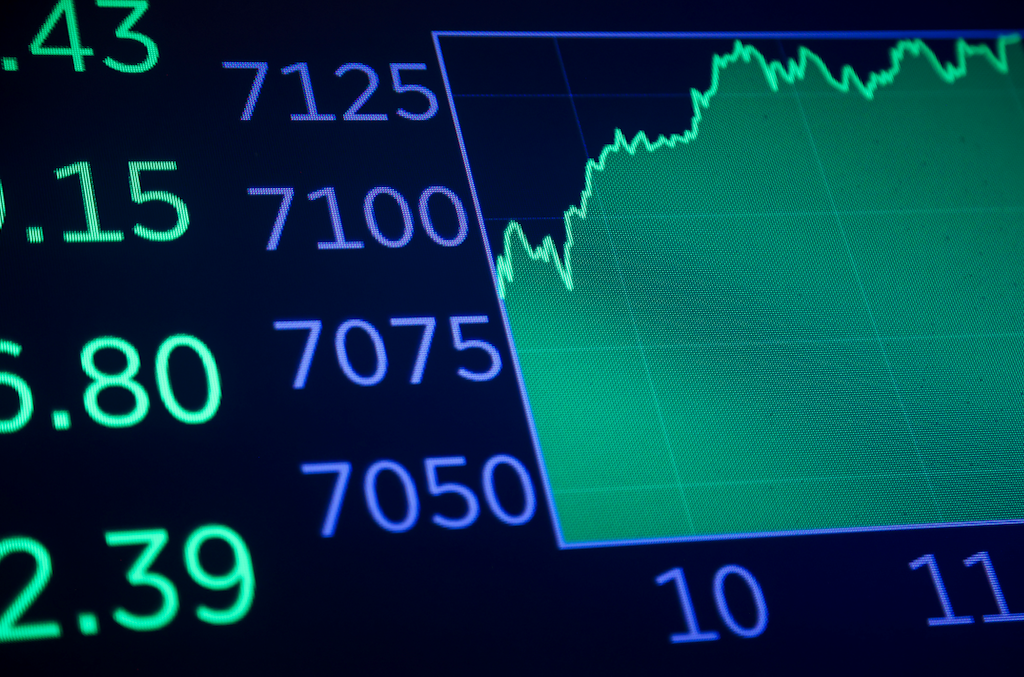
The S&P 500 closed Wednesday at a fresh all-time high of 7,022.95, surpassing the late-January peak and capping a remarkable round trip from the spring selloff.
Iran war-related headlines continue to cause volatility in the markets and oil prices to rise, but our experts remind readers that uncertain times might also present opportunities.
After a 9.1% drawdown, the S&P 500 surged 11% over the last 12 trading days to a new record high, breaking above the 7,000 level for the first time.
The most exciting innovations aren't always the ones that break new ground—sometimes they're the ones that finally make breakthrough ideas work. This quarter’s spotlight reveals how researchers are removing practical barriers to turn promising laboratory technologies into deployable solutions, from agricultural robotics to dissolving medical devices, transforming theoretical possibilities into tools that can reshape industries today.
One of the hottest themes in investing this year has been Space. Partly due to its tie-in with the broader Defense theme, and more recently, thanks to investor excitement over the upcoming SpaceX IPO, space investing as a thematic opportunity has been capturing attention and investor dollars.
Sam Altman, the chief executive officer of OpenAI, said at a finance conference in October 2023 that he and his “CEO friends” were running a betting pool on when the first one-person billion-dollar company would be created thanks to artificial intelligence.
EQT AB, Europe’s biggest private equity firm, says the path to exiting investments in clean-energy developers and operators faces a growing number of hurdles.
Late last week, investors were hit with news of the worst inflation spike in nearly two years. But a closer look “under the hood” reveals that price pressures aren’t nearly as bad as some headlines suggest.
As transition activity increases, what was once seen as a step between portfolios is becoming part of the outcome itself. Execution is now more closely tied to how portfolios are reshaped, particularly as restructures grow larger, more frequent, and more complex.