Capital controls can be used to keep investors at home. Bank reserve and liquidity requirements can also be employed for this purpose: U.S. banks hold $2 trillion more in government debt than they did six years ago.
Retirement planning shouldn’t be defined by “needs” but by the lifestyle you want to sustain. This piece reframes retirement as a phase for living fully—balancing taxes, inflation, and income sources to enable abundance.
Market corrections often present chances to acquire quality assets at attractive valuations. Hence, “buy the dip” has long been a mantra for many investors.
While headlines often speculate about an AI bubble, we believe the long-term outlook for technology remains strong. Periodic volatility is a normal part of any innovation cycle and unlikely to derail our constructive view on equities.
Drew O’Neil discusses fixed income market conditions and offers insight for bond investors.
The future is now: 5G, fiber optics, power grids, and digital networks. Brock Campbell, CFA of BNY Investments reveals how BKGI (the BNY Mellon Global Infrastructure Income ETF) delivers inflation protection, steady income, and exposure to essential growth assets.
To invest or not to invest in alternatives; that is the question for anyone involved in the business of retirement planning. FAs can help clients navigate the brave new world of customized alternatives, but this is easier said than done.
The best advisors play a critical role in educating and advising investors at the beginning of the relationship, staying connected as markets change, and coaching when emotions can lead to rash decision-making.
The “EM-ification” of developed markets has rewritten the investment playbook. Emerging markets are not the weak link in global equities — they may in fact be the stronger foundation. For long-term investors, it is time to reassess.
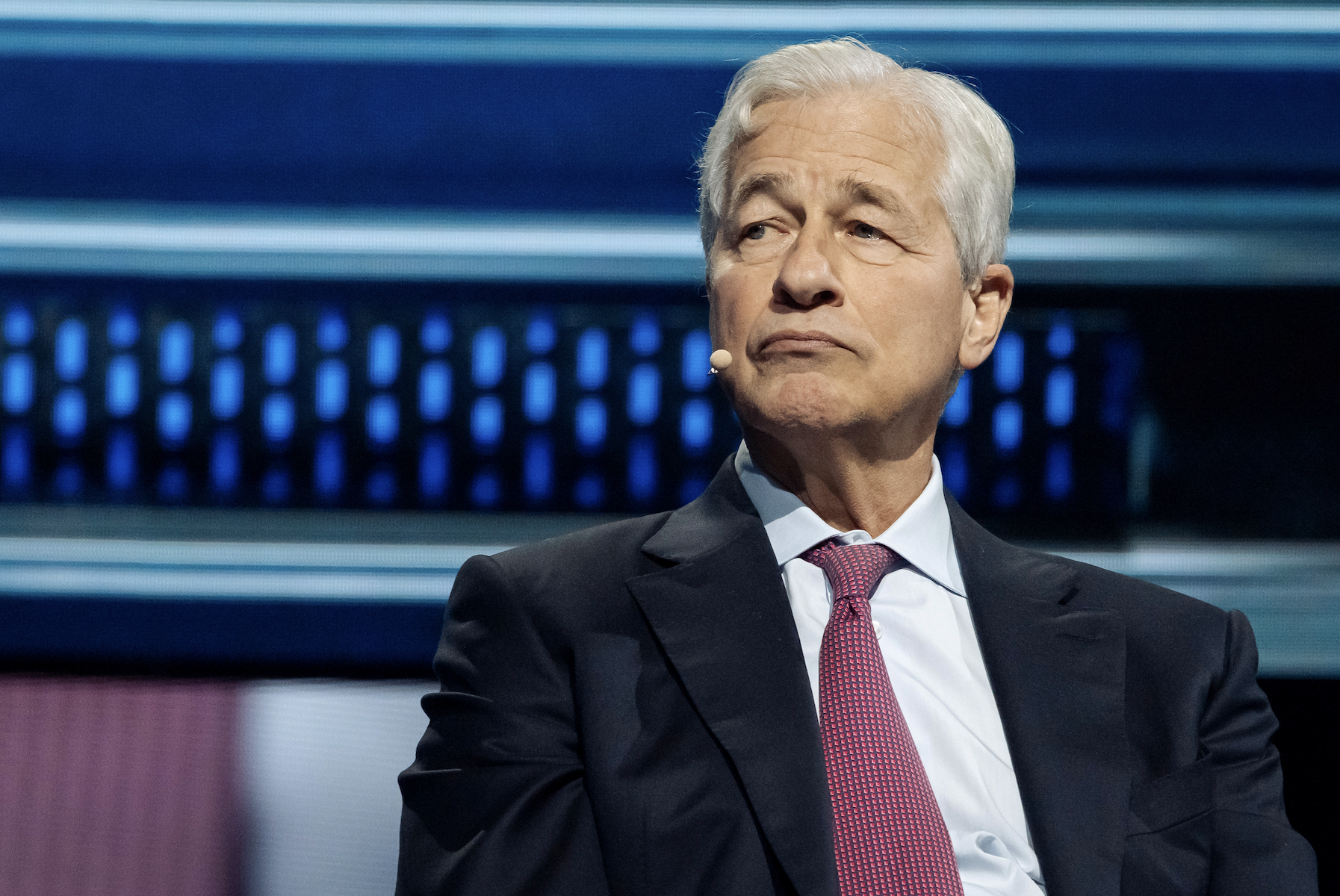
JPMorgan Chase & Co.’s decision to let managers use artificial intelligence to help write performance reviews stands to bring relief to one of bosses’ most dreaded annual tasks. It also raises questions as to whether bot-written reviews will make the process better or worse, especially for employees seeking meaningful feedback.
There’s no denying AI has again been a captivating theme for investors and technology enthusiasts this year. But that proposition could be ramped up in 2026.
A small circle of investment consultants played a central role in the multi-trillion-dollar push into private markets, steering US pension funds toward private equity, real estate and hedge funds, according to a new study.
The artificial-intelligence boom is raging, fueled by a mad dash to add computing capacity. Tech giants are funneling billions of dollars to construction companies and industrial suppliers of equipment and power to build the vast data centers that the technology requires.
While consensus remains cautious, there is a case, however tenuous, for economic reacceleration. This isn’t about ignoring risks. It’s about acknowledging that conditions aligning could drive a shift from stagnation to renewed growth.
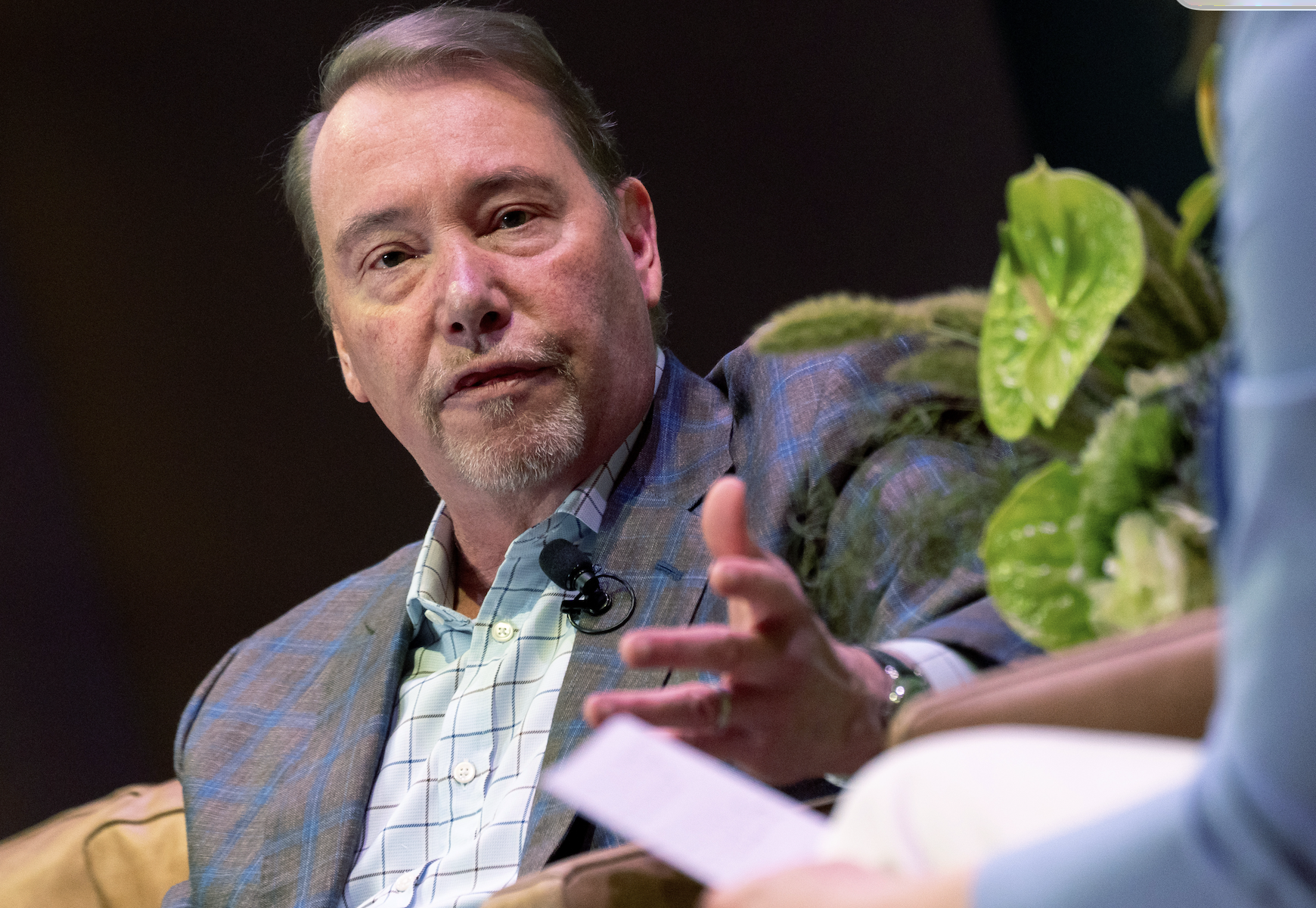
In markets awash in “garbage lending” and unhealthy valuations, Jeffrey Gundlach is keeping his strategy simple: load up on cash and stay away from private credit.
As happened in the previous era, several forces are combining to keep inflation alive. Today I want to review what’s happening. This won’t be a fun letter to read, but it’s important. You need to prepare for what could be coming.
We were in the camp that the Federal Reserve (Fed) should have reduced interest rates during the first half of the year, taking advantage of the underlying disinflationary path during that period.
Bankruptcies are a routine event for companies relying on large amounts of high-yield debt for their capital. Investors reserve much of the high income they receive in good times for the inevitable losses in bad times.
My first experience with a major economic/stock market bubble was the dot-com bubble of 1998-2000. Many investors forget that the Nasdaq and S&P 500 Index bubble that ended March 10, 2000, was the first bubble in a series of three bubbles.
This year, Americans will give more than $500 billion to charity, according to the National Philanthropic Trust. While meeting philanthropic goals is important for donors, these gifts may also provide valuable tax benefits.
Corporate bonds typically appeal to those seeking higher yield potential relative to safer government debt, but current market uncertainty may keep fixed income investors from making the move. However, strong fundamentals are also underpinning corporate bonds, which only add to their appeal despite ongoing risks.
Chinese equities have performed strongly this year amid a general re-rating driven by easing geopolitical tensions, continued government stimulus and the global AI-related buildout. Portfolio Managers Andrew Mattock, CFA, and Winnie Chwang explain the drivers of the rally and the opportunities and challenges ahead.
As global labor arbitrage becomes less viable and access to cheap labor in emerging markets continues to narrow, businesses are increasingly turning to AI as a domestic solution for cost control and productivity gains.
As the final quarter of 2025 begins, it's a critical moment to look back at the preceding three quarters. Each year carries its own narrative, and 2025 was no exception. Markets trended downward early in the year owing to trade-talk-driven uncertainty, reaching a crescendo in volatility following the unexpected announcement of significant tariffs in April.
Consumers are in a sour mood over inflation and jobs as major retailers prepare to report earnings and offer their outlooks for the holiday shopping period.
Now that government workers are back in the office, the data flood is coming. Here are the four reports we’re most excited for, why they matter, and what we last heard from them.
Though we are getting limited amounts of economic data during the federal government shutdown, the official and private sector data we are receiving generally paints a positive picture for U.S. economic activity.
Many may look at a headline performance figure like “the bond market is up 7%” and understandably feel encouraged. On paper, that appears to be a solid result. But nominal returns alone rarely tell the full story.
When evaluating the integration of gold and bitcoin into their investment strategy, investors should carefully examine both their similar properties and fundamental differences. These assets are frequently positioned as alternative value repositories, particularly valuable during periods of macroeconomic volatility and uncertainty.
Markets don’t sleep over the holidays, but they do slow down. Historical trading patterns show consistent liquidity shifts from late November through early January.
Bitcoin fell below $95,000 for the first time in about six months as a bout of risk aversion sweeping across markets saw investors pull nearly $900 million from funds investing in the token.
To be sure, it’s not a point for investors to get carried away with. But it is noteworthy in the current environment. RSPF has exposure to the booming prediction markets space. That’s likely an underappreciated factor. And that’s because of the ETF’s status as a home to a slew of old-guard bank st
Mike Wilson was uneasy, just as he likes it. It was April, and President Donald Trump’s trade war had roiled financial markets, making Morgan Stanley’s chief US equity strategist a sought-after TV guest.
Blackstone Inc. has appointed former Morgan Stanley rainmaker Franck Petitgas to a top role in Europe as it prepares to invest $500 billion there over the next 10 years.
Imagine I get extremely rich like Michael Burry on a contrarian short position. I’d immediately cash in my chips (but I wouldn’t tell anyone I was “semi-retiring” from the game).
Berkshire Hathaway Inc. sold ¥210.1 billion ($1.4 billion) of yen-denominated bonds on Friday at a spread which was lower compared with its previous deal as global investors flock to Japan.
Looking ahead, markets are likely to remain on edge as investors weigh the fallout from the shutdown, mounting layoffs, and signs of waning consumer confidence against hopes for continued monetary policy support.
We discuss Figure’s $1 billion fundraise, XPENG’s (XPEV) humanoid launch, the humanoid market, and how Elon’s $1 trillion pay package fits into this.
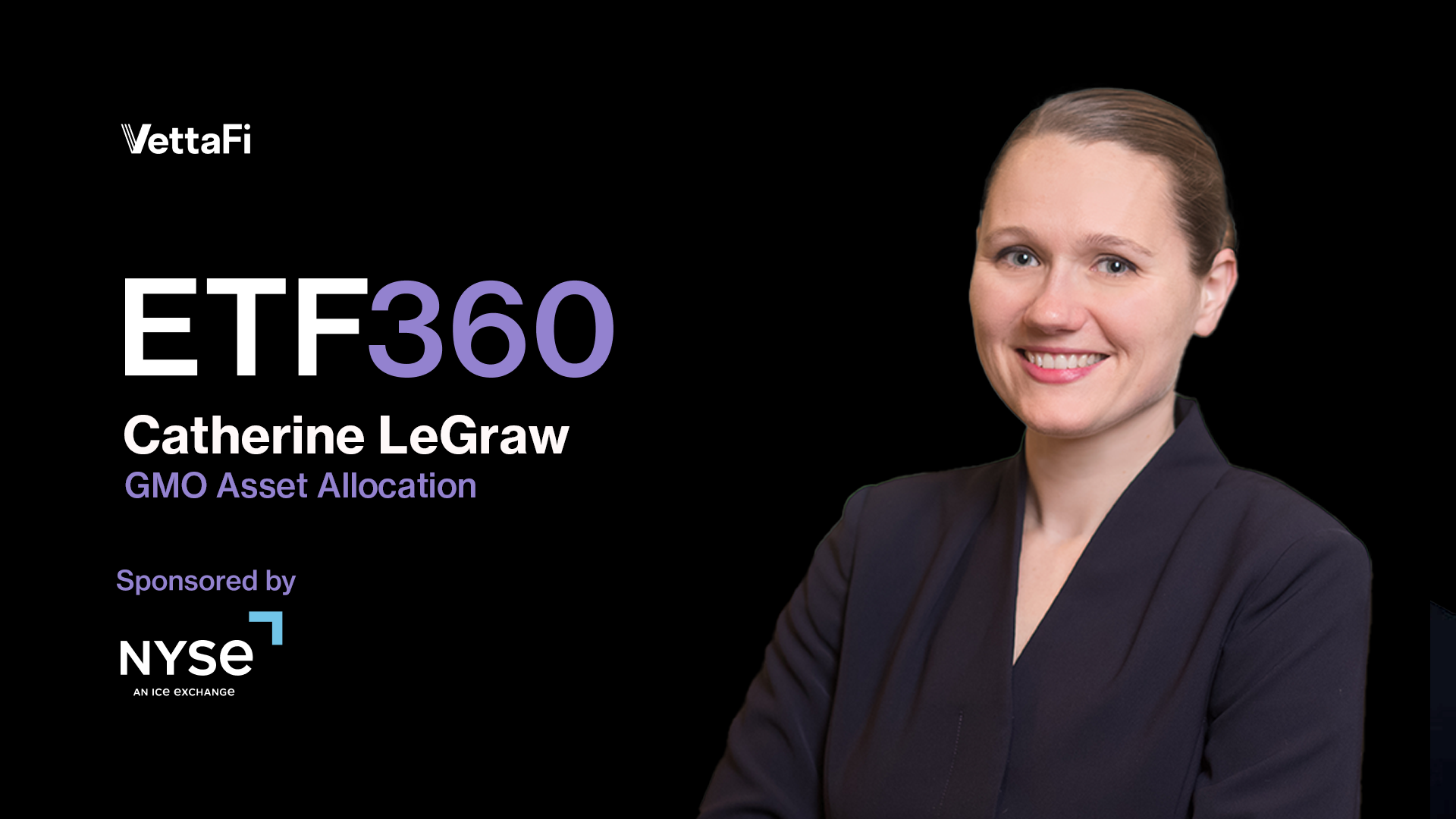
On the latest ETF 360, VettaFi’s Cinthia Murphy interviewed GMO Asset Allocation’s Asset Allocation Strategist Catherine LeGraw. The two discussed quality, the speculative market, and value dislocation.
This CE-eligible webcast gives RIAs a repeatable, compliance-ready playbook to keep proceeds invested — while avoiding boot, meeting IDs, and setting client expectations.
Join the experts at Eaton Vance for an educational webcast exploring the overall macro picture and why an active approach to global fixed income that goes beyond the Agg could diversify portfolios and drive results.
While AI applications dominate the conversation, a less-visible hardware trend is already delivering results. Key photonics companies are posting strong earnings, validating the theme for investors in AI and robotics and automation ETFs.
China’s collapsing investment is as unprecedented as it is hard to explain. A plunge estimated at more than 11% in October from a year earlier was the worst single-month performance since the initial Covid lockdowns at the start of 2020, official data showed on Friday.
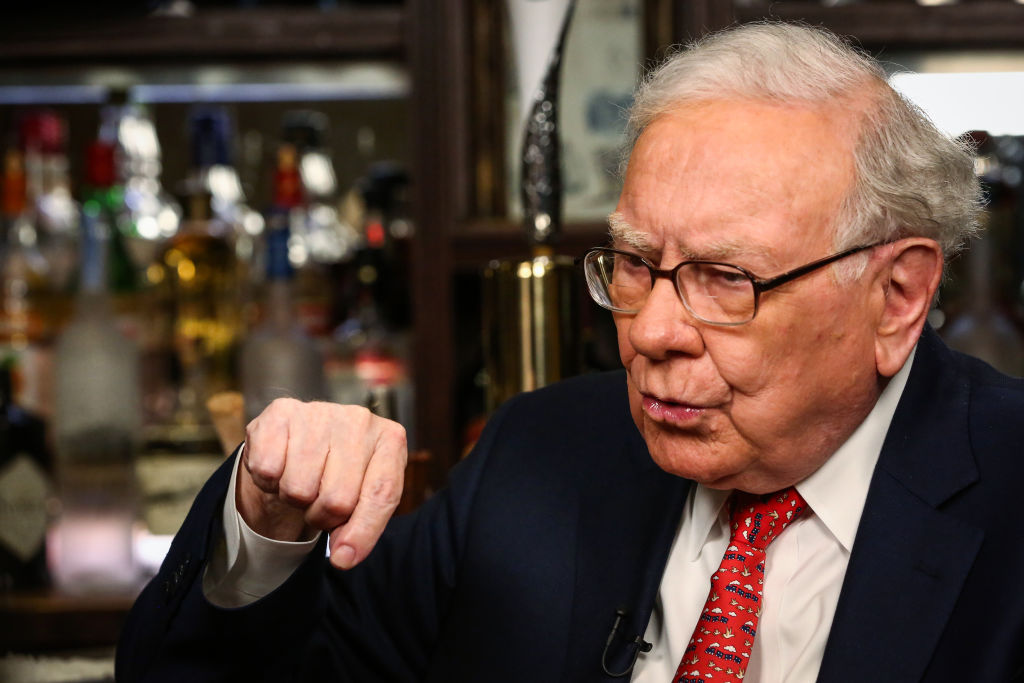
There’s one thing Warren Buffett seems to credit for his success more than anything else: luck. He’s says he’s lucky to have spent most of his life in Omaha, raising a family and building a business smack in the middle of the country.
Investors are pouring money into active ETFs, but a closer look reveals a migration of assets into the wrapper instead of a resurgence in alpha-chasing bets.
The retirement landscape in America is undergoing a quiet revolution, according to Vanguard’s inaugural "How America Retires" report.
As the year winds down, many investors focus on year-end charitable giving and tax planning. Finding a charity and donating money is the easy part. Taking slightly different approaches to gifting can yield dramatically different results from a tax perspective.
Doug Drabik discusses fixed income market conditions and offers insight for bond investors.
On the Money Metals podcast, host Mike Maharrey sits down with Philip Newman, founding partner and managing director at Metals Focus in London. Newman explains that Metals Focus, launched in 2013, is a pure precious-metals research house; it does not trade.
US equities dropped at the open, poised to snap a four-session winning streak, as investors continue to grapple with a lack of US economic data despite the end of the government shutdown.