Inflation and geopolitical uncertainty are pushing advisors and investors to rethink how they build diversified portfolios.
Join the experts from VettaFi for a 30-minute discussion on the broader implications of successful microreactor tests.
This past week, the market hit an all-time high. At the same time, Alphabet (GOOG) told investors it would raise $80 billion by selling stock to fund its AI buildout, and the shares fell about 4% on the news.
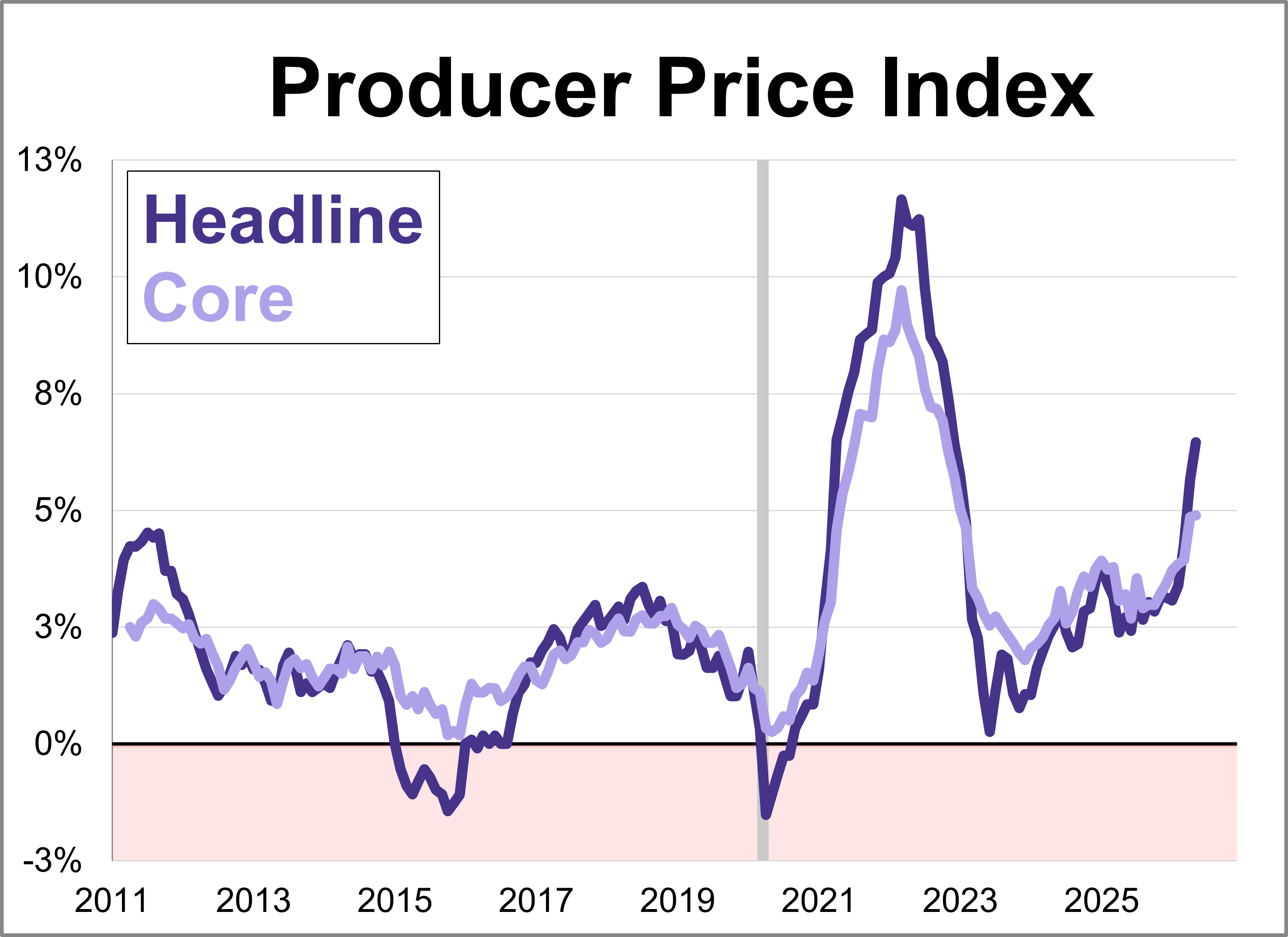
May's Producer Price Index (PPI) data delivered another blow to inflation watchers, as wholesale price growth came in hotter than expected.
Things change fast in artificial intelligence. One minute corporate desk jockeys are competing to use AI coding and reasoning tools as much as possible, the next their bosses are complaining about budgets being pulverized and start rationing usage.
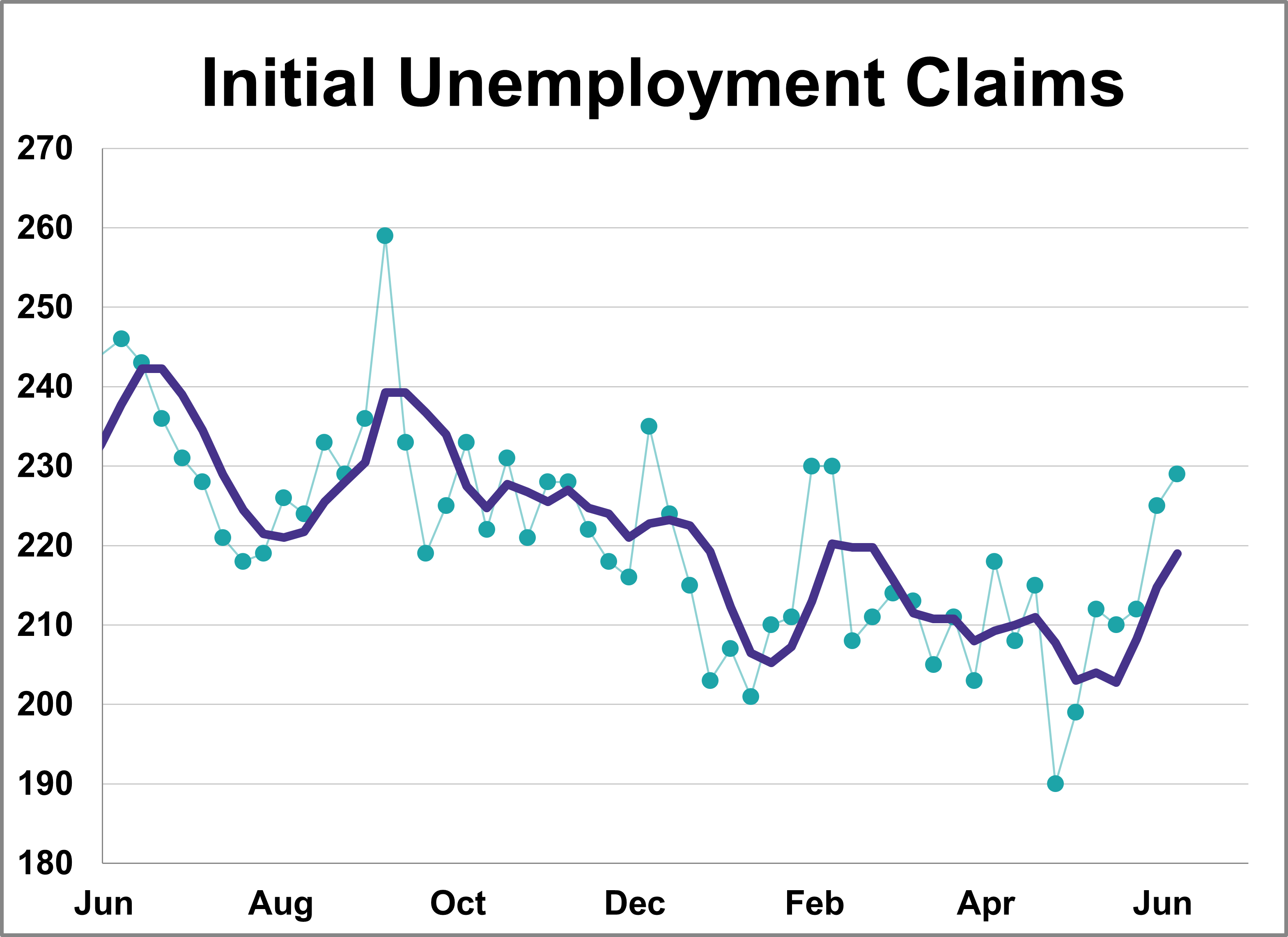
In the week ending June 6th, initial jobless claims were at a seasonally adjusted level of 229,000, the highest level in four months. This represents an increase of 4,000 from the previous week's figure and was higher than the forecast of 220,000.
The jury is still out on whether SpaceX is primarily a rocket company, as its name suggests, or actually more of a telecom provider or artificial intelligence play. Its expected valuation doesn’t help resolve the confusion.
May saw 148 new ETF launches in May alone – although launch figures were partially driven by a 37-fund rollout from Corgi Insurance Services.
The initial public offering for SpaceX is poised to generate billions of dollars in profits for the fortunate few investors who got in early on Elon Musk’s rocket, satellite and artificial intelligence company.
As shareholders rush to pull money from private credit funds over troubling questions about software exposure, opaque loan values and non-payments, some bond investors are doing the opposite: buying their debt.
For more than four decades, PIMCO’s Secular Forum has provided a disciplined framework for stepping back from short-term market noise to assess the structural forces that will shape the global economy and markets over the next five years. Yet rarely has this exercise been more consequential than it has recently.
After more than three years of underperformance, our prognosis for global health care stocks remains positive. The sector now offers a broader set of high-quality companies at valuations that appear increasingly disconnected from fair value.
Many advisors deliver capital markets commentary as if the goal were simply to explain what’s happening. They assemble charts, cite data, summarize headlines and hope the client will draw the “right” conclusion.
Equity issuance is all the rage. The SpaceX (SPCX) IPO on Friday, Alphabet’s (GOOGL) up-sized secondary announced last week, and a slew of other major go-public names over the remainder of 2026 (Anthropic, OpenAI) buck the years-long trend of intense buybacks and shareholder-friendly activities by the world’s most valuable companies.
All major U.S. stock indices fell last week, ending a remarkable run of nine straight weekly gains for the S&P 500. But the headline numbers hide an unusually lopsided story.
Attractive yields and strong credit fundamentals are setting the municipal bond market up for a solid second half of the year, said Paul Malloy, the head of municipals at The Vanguard Group Inc.
The Senate passed $70 billion immigration enforcement funding bill, Capitol Hill struggles to find consensus on how to regulate AI, and the Trump Accounts app is live.
Begin with the print itself, because the headline flatters the internals only slightly. The bulk of May's gains came from leisure and hospitality, which added 70,000 jobs, nearly half of them in food services and drinking places; local government contributed 55,000, health care 35,000, and manufacturing a modest 7,000, while financial activities actually shed positions.
Every dollar in a growth equity index reflects two decisions: which companies to own and how much of each to hold. Indexes form intricate systematic rules to make the first decision. The second decision—position sizing—is usually determined by market-cap weighting.
With the latest CPI report showing that inflation is likely here to stay, it could be time to pivot towards ETFs with downside protection.
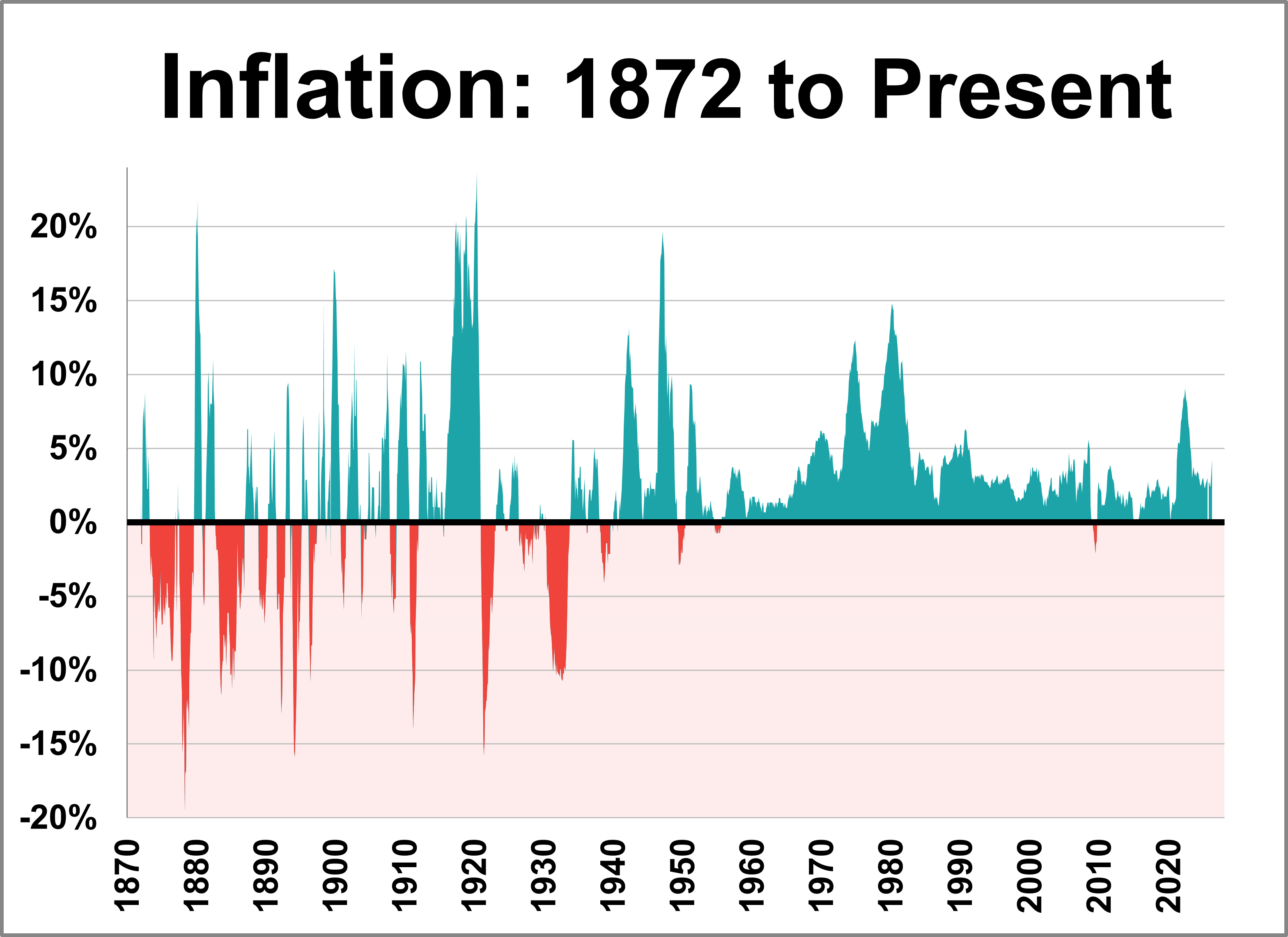
The May release of the Consumer Price Index for Urban Consumers (CPI-U) places the year-over-year inflation rate at 4.25%, its highest level in over three years. This keeps inflation above the post-WWII average of 3.72% for a second straight month and marks the third consecutive month that the current rate is above the 10-year moving average, which currently sits at 3.27%.
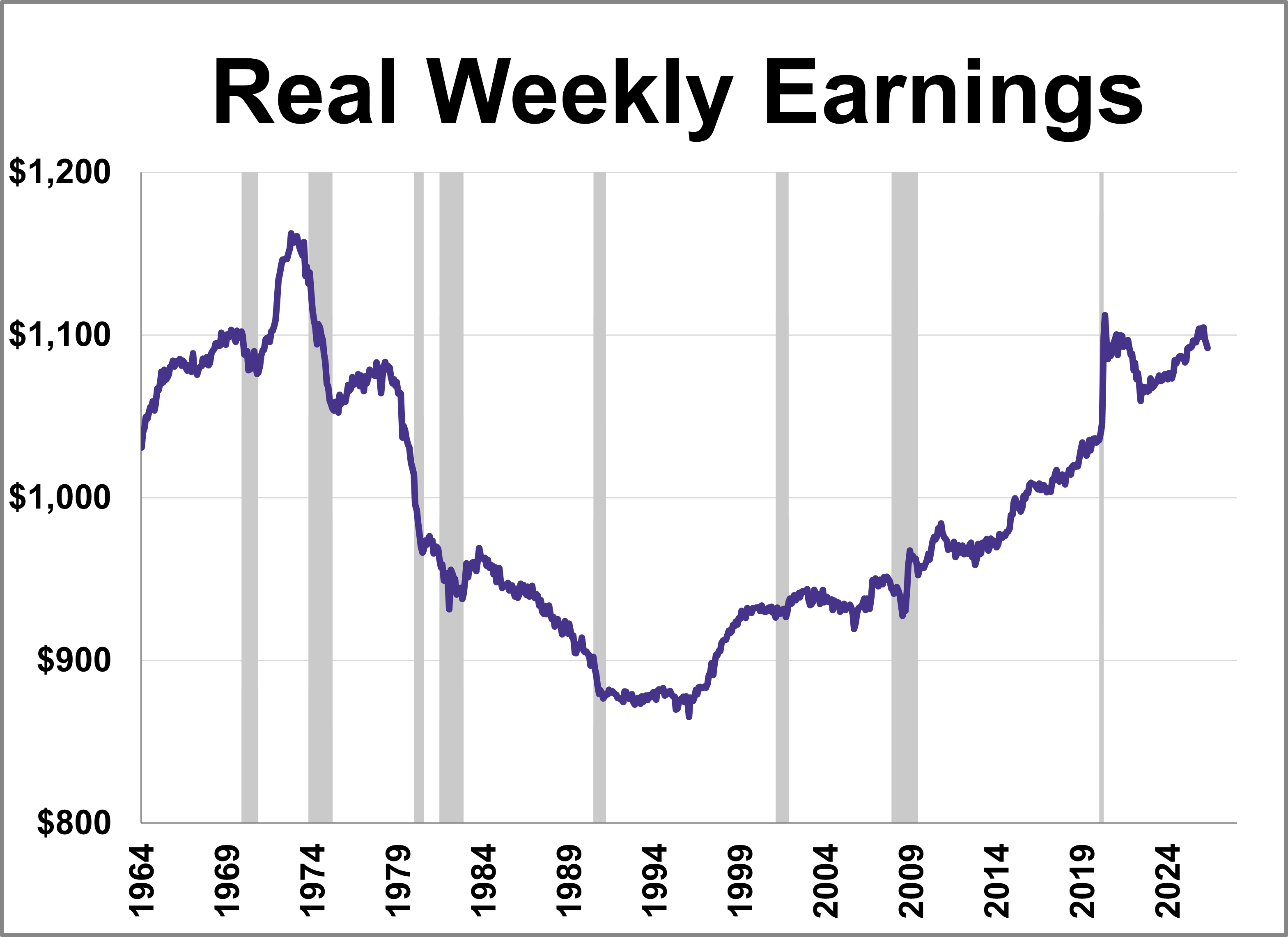
This series has been updated to include the May release of the consumer price index as the deflator and the monthly employment update. The latest hypothetical real (inflation-adjusted) annual earnings are at $54,604, down 6.1% from over 50 years ago.
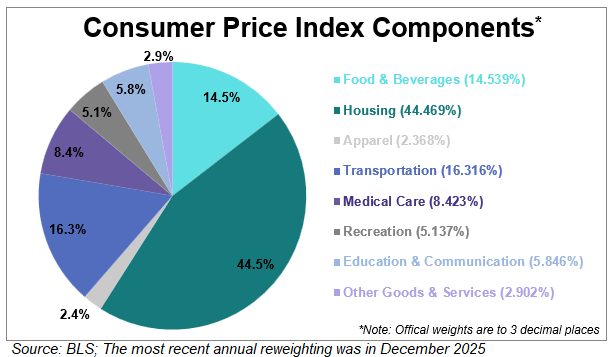
Inflation affects everything from grocery bills to rent, making the Consumer Price Index (CPI) one of the most closely watched economic indicators. The Bureau of Labor Statistics (BLS) tracks this by categorizing spending into eight categories, each weighted by its relative importance.
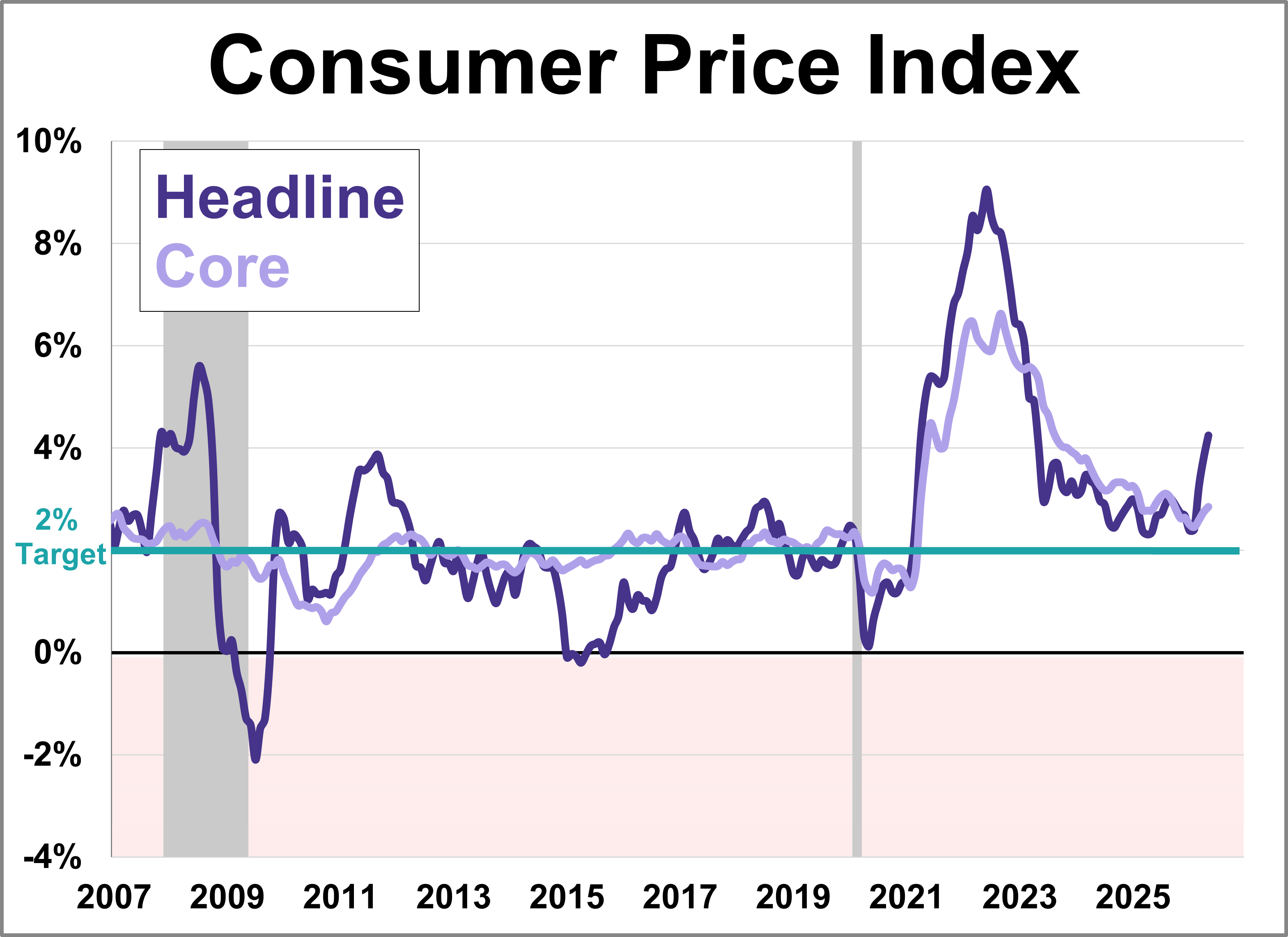
Inflation surged to 4.2% year-over-year in May, hitting its highest level in over three years. The headline figure for the Consumer Price Index (CPI) was consistent with the forecast, driven primarily by cost increases in energy, shelter, and food.
The first-ever autism ETF and the continued rise of quantum computing were both in the spotlight on this week’s ETF Prime. Host Nate Geraci welcomed Sylvia Jablonski, chief investment officer of Defiance ETFs, to discuss the firm’s latest launch and one of the market’s top-performing funds. Defiance has grown from roughly $1 billion in total assets in late 2022 to over $13 billion today.
The biggest problem I find is that advisors don’t have the time they need to focus on growth. Sending out a mass invite via LinkedIn is fast and easy, but it doesn’t mean it is the most effective action you can take.
Advisors now understand that clients expect a truly personalized experience. Clients no longer accept generic advice; they demand bespoke strategies, tailored communication, and engagement aligned with their unique needs and life stages.
Prepaid energy deals are complicated transactions that allow utilities to lock in cheaper prices over long periods of time. They involve a financial middleman that receives bond proceeds in exchange for making regular payments needed to procure the energy for the utility.
With a new boss at the helm and expectations of billions in surplus gas revenue, the Qatar Investment Authority spent the past year telegraphing a step-up in dealmaking. Iran’s attacks on the country’s energy infrastructure and Doha’s inability to ship products risk hampering that push.
Sentiment in the US stock market has shifted quickly from fear of missing out to fear of getting wiped out.
Ratings that underpin a growing slice of the $1.8 trillion private-credit market, the hottest corner of Wall Street in recent years, are systematically understating investment risk, according to a new study by Columbia Business School researchers.
A simple view of SpaceX is that it’s a low-cost rocket launcher that created the profitable Starlink satellite business and which is now burning cash to build orbital data centers and colonize Mars.
Tim Cook’s last annual showcase of new software as Apple Inc.’s chief executive officer also marked the start of a deepening relationship with one of his biggest competitors: Alphabet Inc.
LPL Research analyzes bond markets as yields rise, exploring Fed policy expectations, inflation trends, and whether bad news is already priced into Treasuries.
Equity markets should remain supported by strong earnings and capital investment trends through 2026, but market concentration and macro risks leave less room for error.
The war in Iran is putting pressure on airlines. Higher jet fuel prices are cutting into profit margins, and the risk of a prolonged conflict may reduce travel demand in Europe and Asia. But for lessors, these gathering clouds may come with a silver lining.
The takeaway for both HY and EM corporates is straightforward. Once oil prices are above breakeven, further moves in oil tend to matter less for credit performance.
If you think tracking error tells you how well a portfolio “tracks” the benchmark, it doesn’t. If you think it signals underperformance, that’s not right either. And if you believe high tracking error is inherently better or worse depending on the manager, that’s not the whole story.
In Part 1, we explored why Dollar Dominance Remains Alive and Well. Today, we will explore the stronger-dollar trade, the one macro trade that nobody is sized for.
The Numbers Are Staggering – The Magnificent Seven stocks now carry a combined market cap larger than the GDPs of Germany, Japan, India, and the UK combined. Meanwhile, 2025 tech-sector capital expenditures rivaled the peak-year spending of the Manhattan Project, rural electrification, the Apollo moon shot, and the Interstate Highway System — all at once.
While job growth has reaccelerated, supporting consumption, the underlying income picture is less encouraging.
Investors have enjoyed a favorable run. If the year ended today, it would mark the seventh time in the last nine years that stock portfolios generated double-digit returns. Housing prices remain near historic highs, while bond investors have benefited from elevated yields over the past three years.
Building resilient portfolios in markets delivering mixed messages can be a challenging affair. In our ongoing engagement with the retail and advisor community at VettaFi, we hear first-hand just how investors are tackling that challenge this year.
Markets have treated AI as a gold rush of LLMs, chips and cloud applications, but as the industry shifts from chatbots to agentic systems — AI that autonomously runs workflows and makes decisions — hyperscalers are now facing a brutal physical bottleneck.
Several articles enjoyed strong performance during the month of May, though there does not seem to have been a unifying theme, unless it is pointing out mistaken beliefs or unexamined conventions.
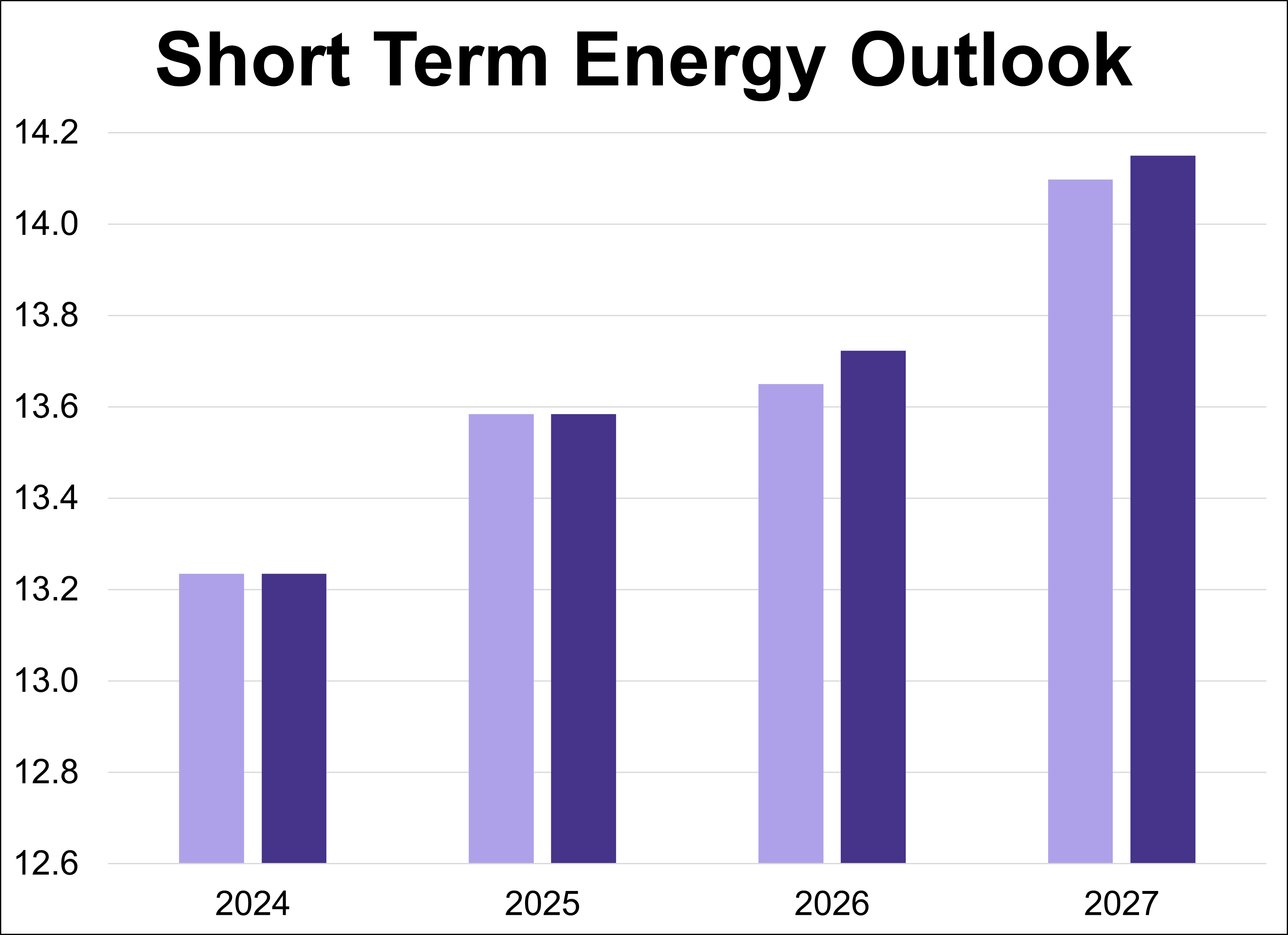
The U.S. Energy Information Administration (EIA) has released its latest Short-Term Energy Outlook (STEO), providing forecasts for energy markets. This article presents the annual production outlooks for crude oil, natural gas, and natural gas liquids (NGLs), comparing the June 2026 projections against the previous month's estimates.
Join the experts at SS&C ALPS Advisors and GSI Capital Advisors for a product due diligence session exploring their active REIT strategy.
In his new book, “Risk & Reward: How to handle market volatility and build long-term wealth,” Ben Carlson relies on history to defend investing in U.S. stocks. Carlson calls the U.S. stock market “the greatest wealth-building machine ever created,” and nudges his readers into thinking its success will continue.
Crypto has clearly matured considerably as an asset class, and it's exciting to hear more advisors speak about the opportunity it presents — without being scared away by its volatility. The real question today is how much of a portfolio allocation is appropriate given their specific objectives and constraints.
Interest rates remain one of the primary concerns for investors as Kevin Warsh has officially assumed leadership at the U.S. Federal Reserve (Fed). While we believe the possibility of a rate cut has diminished considerably, we are not yet expecting additional rate hikes.